

What is Ternary Lithium Material Handling? And What Are Its Design Principles?
Ternary lithium material handling systems are specialized equipment designed to efficiently transport and manage materials, particularly in the context of lithium-ion battery production and processing. These systems are crucial for optimizing the flow of raw materials and finished products within industrial facilities, ensuring high efficiency and safety in operations. The design principles behind such systems are rooted in the specific requirements of handling lithium-based materials, which often involve delicate handling, precise control, and adherence to stringent safety standards.
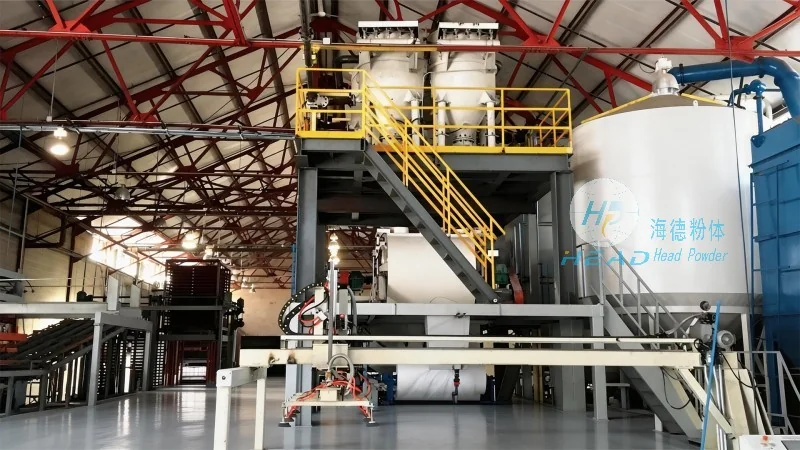
Understanding Ternary Lithium Material Handling
Ternary lithium materials, commonly used in high-energy density batteries, require specialized handling due to their chemical properties and the need for precise processing. Material handling systems for these materials must address challenges such as dust control, static electricity management, and the prevention of contamination. The systems are typically integrated with other production equipment, forming a cohesive workflow that enhances overall productivity. Companies like Shandong HeadPowder Engineering Co., Ltd., a leading provider in this field, specialize in designing and manufacturing tailored solutions that meet the unique demands of ternary lithium processing.
Key Design Principles of Ternary Lithium Material Handling
The design of ternary lithium material handling systems follows several core principles aimed at maximizing efficiency and safety. First, the systems are engineered for minimal material loss and contamination, which is critical for maintaining the quality of lithium-based products. This involves the use of sealed containers, enclosed conveyor systems, and advanced filtration technologies to prevent dust and particulate matter from escaping. Second, the design emphasizes energy efficiency and reduced operational costs. By optimizing the flow of materials and minimizing downtime, these systems help manufacturers achieve better economic performance. Third, safety is a paramount consideration. The systems incorporate features like explosion-proof components, overcurrent protection, and emergency stop mechanisms to protect operators and equipment from potential hazards associated with lithium materials.
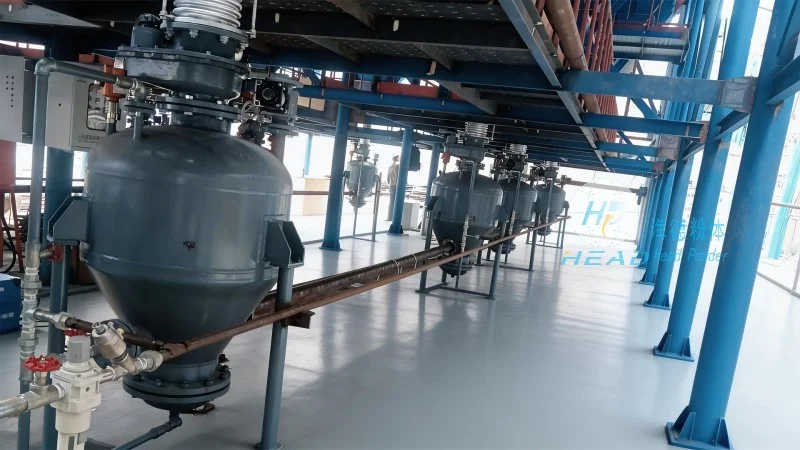
Components and Functionalities
Ternary lithium material handling systems typically consist of several key components that work in tandem to ensure smooth operation. These include feeders, conveyors, storage bins, and handling equipment such as robotic arms or automated guided vehicles (AGVs). Each component is designed to handle specific tasks, from initial material intake to final product discharge. For example, feeders are used to evenly distribute raw materials into the processing line, while conveyors transport materials between different stages of production. Storage bins are used to temporarily hold materials, ensuring a steady supply to downstream operations. Handling equipment, often integrated with sensors and control systems, allows for precise positioning and movement of materials, reducing the risk of damage or misplacement.
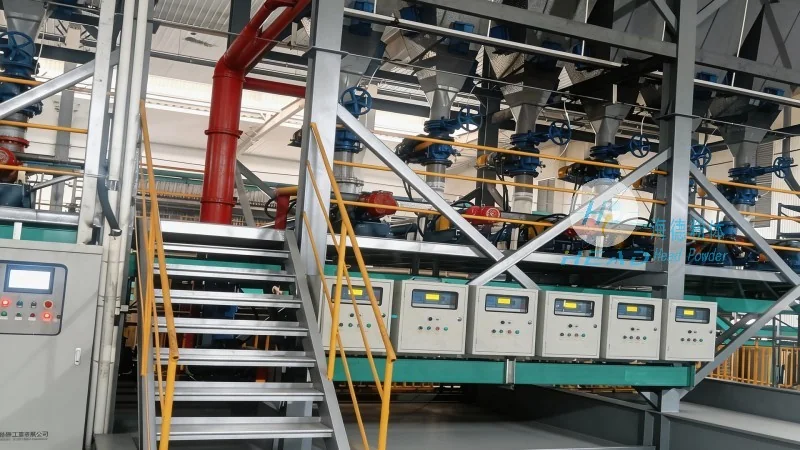
Application in Industrial Settings
In industrial settings, ternary lithium material handling systems are integral to the battery manufacturing process. They are used to transport raw materials like lithium cobalt oxide (LCO), lithium nickel manganese cobalt oxide (NMC), and other components to production lines. The systems also handle finished battery cells, moving them from assembly lines to packaging and shipping areas. By streamlining the material flow, these systems help manufacturers improve production throughput and reduce bottlenecks. The design of these systems is often customized to fit the specific layout and requirements of a facility, ensuring optimal integration with existing production equipment.
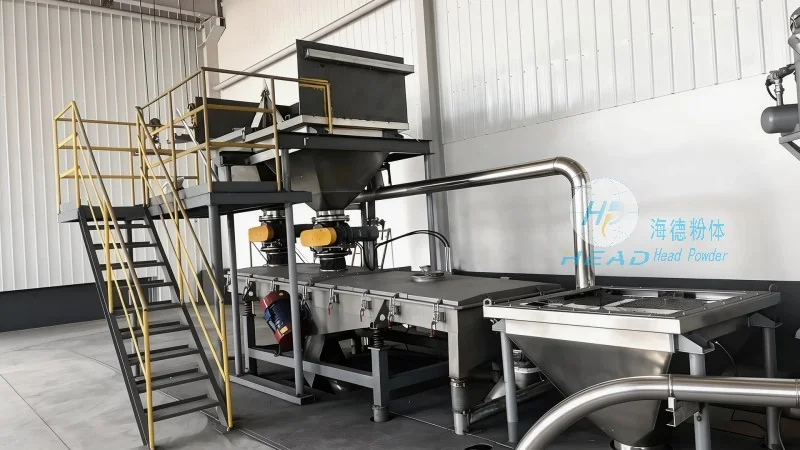
Advantages of Ternary Lithium Material Handling Systems
Implementing ternary lithium material handling systems offers several advantages for manufacturers. Firstly, they enhance operational efficiency by reducing the time and labor required for material transport. Automated systems can operate continuously, minimizing downtime and increasing overall productivity. Secondly, they improve product quality by ensuring consistent handling and processing of materials. This reduces the risk of defects and improves the performance of the final battery products. Thirdly, these systems enhance safety in the workplace by minimizing human exposure to hazardous materials and reducing the likelihood of accidents. Additionally, the use of advanced technologies in these systems allows for better monitoring and control of the material handling process, enabling real-time adjustments and optimization.
Conclusion
Ternary lithium material handling systems are essential components of modern battery production facilities, designed to efficiently manage the flow of lithium-based materials while adhering to strict safety and quality standards. The design principles behind these systems focus on efficiency, safety, and precision, ensuring that manufacturers can produce high-quality batteries at optimal rates. Companies like Shandong HeadPowder Engineering Co., Ltd. play a vital role in providing customized solutions that meet the evolving needs of the battery industry, helping businesses stay competitive in a rapidly advancing market.