Understanding the material handling of titanium dioxide is crucial for optimizing production processes in the pigment industry. As a leading provider in this field, Shandong HeadPowder Engineering Co., Ltd., commonly known as HeadPowder, specializes in the design and implementation of efficient material handling systems tailored to the unique properties of titanium dioxide. This article explores the fundamental aspects of titanium dioxide material handling and the key design principles that ensure safe, reliable, and efficient operations.
Introduction to Titanium Dioxide Material Handling
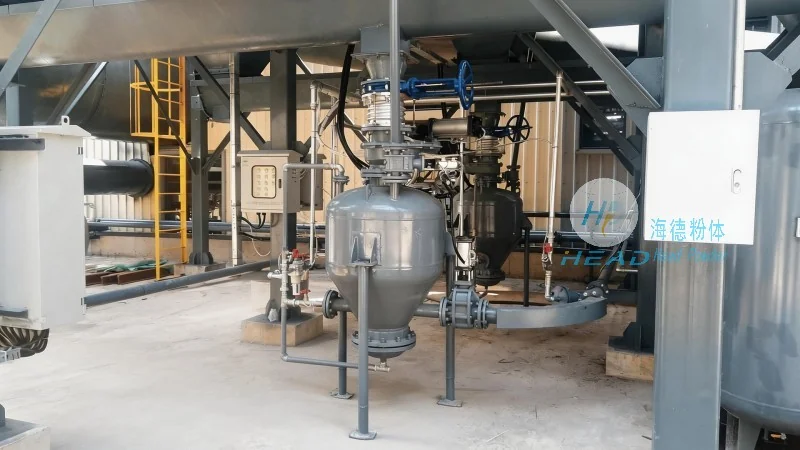
Titanium dioxide, a widely used white pigment in various industries including coatings, plastics, and paper, requires specialized handling due to its fine particle size and high bulk density. Proper material handling is essential to prevent product degradation, minimize dust generation, and maintain consistent quality throughout the production and transportation stages. The material handling process involves the movement of raw titanium dioxide from storage to processing units, and subsequently to packaging or storage areas. This involves a combination of storage, conveying, and processing equipment designed to handle the material's physical characteristics effectively.
Key Design Principles for Titanium Dioxide Material Handling Systems
The design of a titanium dioxide material handling system must consider several critical factors to ensure optimal performance. First, the system must accommodate the material's fine particle size, which can lead to issues such as caking and blockage in traditional conveying systems. Therefore, specialized equipment like pneumatic conveying systems, which use air to transport particles, is often preferred. These systems can handle fine powders efficiently while minimizing dust exposure and product contamination. Second, the system must address the high bulk density of titanium dioxide, which affects the flow characteristics and requires appropriate hopper design and feeding mechanisms to prevent material bridging and arching. Proper hopper geometry, such as conical or wedge-shaped designs, and the use of vibrators or air knives can help maintain consistent material flow.
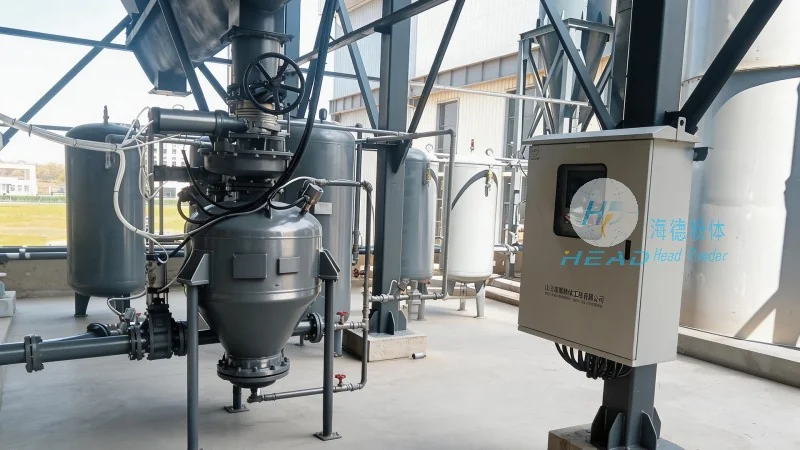
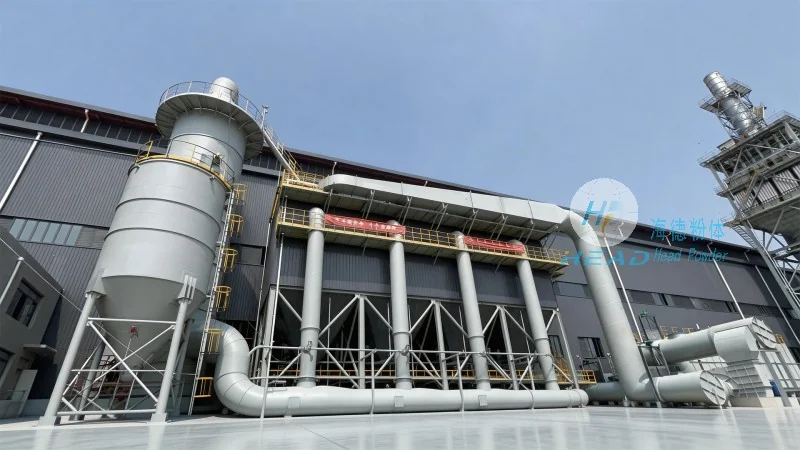
Third, the design must prioritize safety and environmental compliance. Titanium dioxide is a non-hazardous material but can generate significant dust during handling, which poses respiratory risks and requires effective dust control measures. The system should include dust collection systems, sealed equipment, and proper ventilation to maintain a safe working environment. Additionally, the design must adhere to industry standards for material handling, such as those related to explosion prevention, as titanium dioxide dust can be combustible under certain conditions. The use of explosion-proof motors and proper grounding in the system helps mitigate these risks.
Components of a Typical Titanium Dioxide Material Handling System
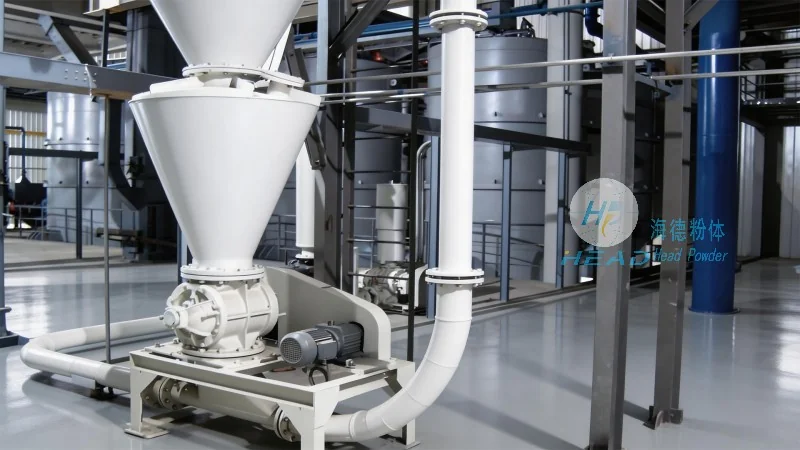
A typical titanium dioxide material handling system consists of several key components that work together to ensure smooth operation. The primary components include storage silos or hoppers, feeding equipment, conveying systems, and processing or packaging units. Storage silos are designed to hold large quantities of titanium dioxide and are equipped with level sensors to monitor inventory levels. Feeding equipment, such as rotary valves or screw feeders, regulates the flow of material from the storage silo to the conveying system. The conveying system, often a pneumatic system, transports the material from the storage area to the processing plant or packaging facility. Processing units may include grinding or blending equipment to adjust the particle size or color of the titanium dioxide. Finally, the system includes packaging equipment to prepare the material for shipment, typically in bulk containers or bags.
Application of Design Principles in Real-World Scenarios
The design principles discussed above are applied in various real-world scenarios within the titanium dioxide industry. For example, in a large-scale pigment production plant, the material handling system must handle thousands of tons of titanium dioxide annually. The system is designed with multiple storage silos to ensure continuous operation and reduce downtime. The pneumatic conveying system is configured with multiple lines to transport material to different processing units, such as coating and plastic manufacturing facilities. The hopper designs are optimized to prevent caking, and the dust control systems are integrated to meet environmental regulations. Another example is in a smaller processing facility where the material handling system is tailored to handle smaller batches of titanium dioxide for specialty applications. The system may use a combination of mechanical and pneumatic conveying to achieve flexibility in handling different product types.
Conclusion
In conclusion, the material handling of titanium dioxide is a complex process that requires careful consideration of the material's physical properties and industry standards. The design principles outlined in this article, including the use of specialized equipment, proper hopper design, and robust safety measures, are essential for ensuring efficient and safe operations. As a leading company in the field, Shandong HeadPowder Engineering Co., Ltd. leverages these principles to design and implement custom material handling systems that meet the specific needs of its clients. By optimizing material flow and minimizing risks, these systems contribute to improved productivity and product quality in the titanium dioxide industry.




