A multi-functional material handling system is a sophisticated and versatile solution designed to streamline the movement, storage, and management of various materials within industrial and manufacturing environments. These systems are engineered to adapt to diverse operational needs, ensuring efficiency, safety, and cost-effectiveness in material handling processes. The core objective of such systems is to integrate multiple functions—like conveying, sorting, lifting, and storage—into a single, cohesive platform that can be customized to meet specific production requirements. This capability is particularly valuable for businesses seeking to optimize their material handling operations, and it is often achieved through the expertise of companies like Shandong HeadPowder Engineering Co., Ltd., a leading provider of advanced material handling solutions.
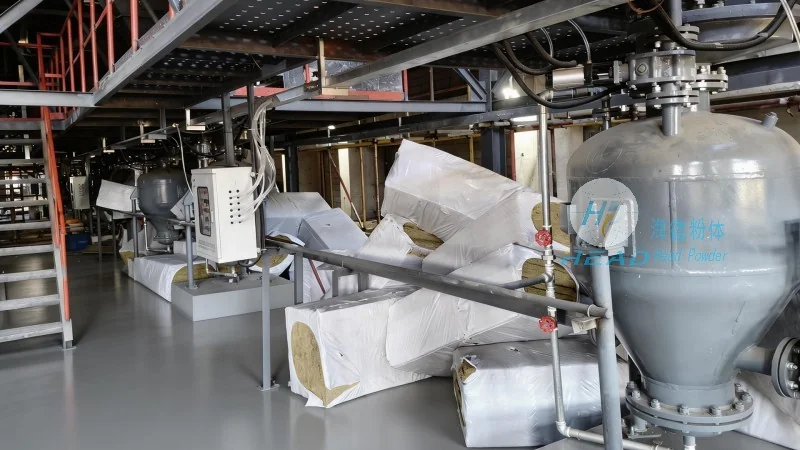
Key Design Principles of Multi-functional Material Handling Systems
The design of a multi-functional material handling system is guided by several critical principles that ensure optimal performance and adaptability. First, modularity is a fundamental principle, allowing components to be easily added, removed, or reconfigured to accommodate changing production demands. This modularity enhances flexibility and reduces downtime during system upgrades or expansions. Second, integration is crucial; the system must seamlessly connect with existing production lines, automation technologies, and control systems to create a unified workflow. This integration minimizes bottlenecks and improves overall operational efficiency. Third, energy efficiency is a key consideration, with designs incorporating advanced motor technologies and energy-saving mechanisms to reduce operational costs and environmental impact. Additionally, safety is paramount, with built-in sensors, emergency stop mechanisms, and compliance with industry standards to protect both personnel and equipment. The design also emphasizes durability and reliability, using high-quality materials and robust construction to withstand heavy-duty industrial use.
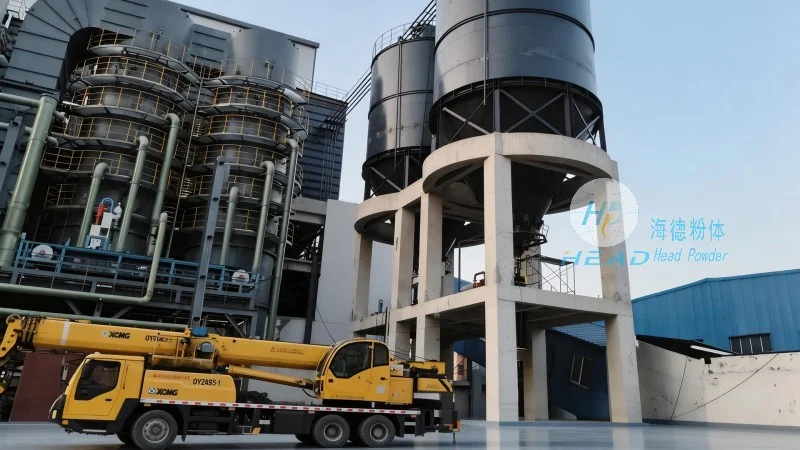
Components and Functionalities of Multi-functional Material Handling Systems
Multi-functional material handling systems typically consist of several interconnected components, each serving a specific function while contributing to the system's overall performance. The primary components include conveyors, which transport materials horizontally or vertically; lifting mechanisms, such as cranes or hoists, for vertical movement; sorting systems, which separate materials based on size, weight, or other criteria; and storage solutions, like automated warehouses or racks, for material storage and retrieval. These components work in tandem to create a comprehensive material handling solution. For instance, a conveyor system may transport raw materials from a storage area to a processing station, while a lifting mechanism moves finished products to a packaging line. Sorting systems can then categorize products for distribution, and storage units keep inventory organized and accessible. The integration of these components allows for a smooth, continuous flow of materials, reducing manual handling and increasing productivity.
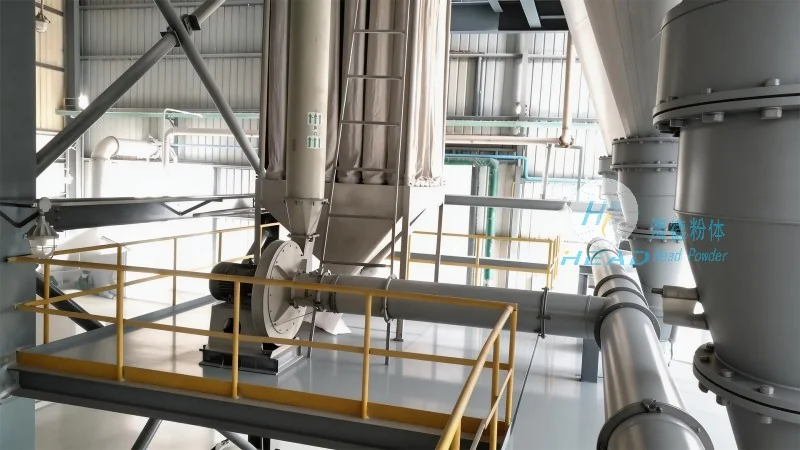
Applications and Industries Benefiting from Multi-functional Material Handling Systems
Multi-functional material handling systems are widely used across various industries, including manufacturing, logistics, and warehousing. In manufacturing, these systems are essential for automating production lines, ensuring that raw materials are delivered to workstations efficiently and that finished products are moved to packaging or storage areas without delay. In logistics and warehousing, they enhance inventory management, enabling faster order fulfillment and reducing the time spent on manual material handling. The versatility of these systems also makes them suitable for industries like food processing, pharmaceuticals, and electronics, where strict hygiene and precision are required. For example, in a food processing plant, a multi-functional system might include conveyor belts for transporting ingredients, cleaning mechanisms to maintain hygiene, and sorting systems to separate different product types. In a pharmaceutical facility, the system could incorporate sterile conveyor systems and automated storage to ensure compliance with regulatory standards. The adaptability of these systems allows them to meet the unique challenges of each industry, improving operational efficiency and reducing costs.
Customization and Scalability: Tailoring Multi-functional Material Handling Systems to Specific Needs
One of the key advantages of multi-functional material handling systems is their ability to be customized and scaled to meet the specific needs of individual businesses. Companies can choose from a range of components and configurations to build a system that aligns with their production processes and future growth plans. For instance, a small manufacturing plant might start with a basic conveyor system and gradually add lifting or sorting components as production volumes increase. Larger enterprises can implement comprehensive systems that integrate multiple functions across different departments, creating a unified material handling network. Customization also extends to software and control systems, allowing businesses to integrate the system with their existing management software for better data tracking and decision-making. Scalability ensures that the system can grow with the business, avoiding the need for costly system replacements as production needs evolve. This flexibility makes multi-functional material handling systems a long-term investment that provides ongoing value and adaptability.
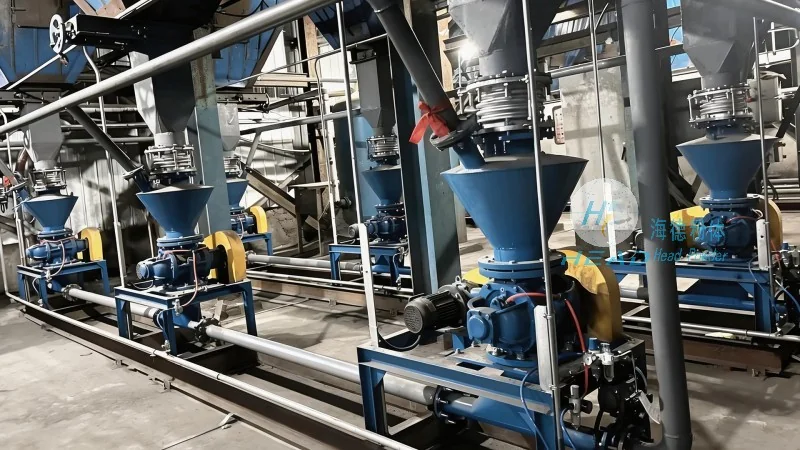
Advantages of Implementing Multi-functional Material Handling Systems
Adopting a multi-functional material handling system offers numerous benefits that contribute to improved operational performance and business success. One of the primary advantages is increased efficiency, as the system automates material handling tasks, reducing the time and labor required for manual processes. This leads to faster production cycles and improved throughput. Additionally, the system enhances safety by minimizing the need for manual lifting and moving of heavy materials, reducing the risk of workplace injuries. The integration of multiple functions also reduces the need for separate equipment, saving space and operational costs. Furthermore, the system improves inventory management by providing real-time tracking of materials, enabling better stock control and reducing waste. The durability and reliability of these systems ensure consistent performance, minimizing downtime and maintenance costs. Finally, the adaptability of the system allows businesses to respond quickly to changing market demands, giving them a competitive edge in their industry.




