

Lithium Iron Carbonate Material Handling: What It Is and Its Design Principles
Lithium iron carbonate (LiFeCO₃) is a critical component in the production of lithium-ion batteries, widely used in electric vehicles, portable electronics, and renewable energy storage systems. The efficient handling and transportation of this material are essential for maintaining production efficiency and ensuring product quality. This article explores the concept of lithium iron carbonate material handling and delves into the design principles that underpin effective systems for processing this valuable material.
About HeadPowder Engineering
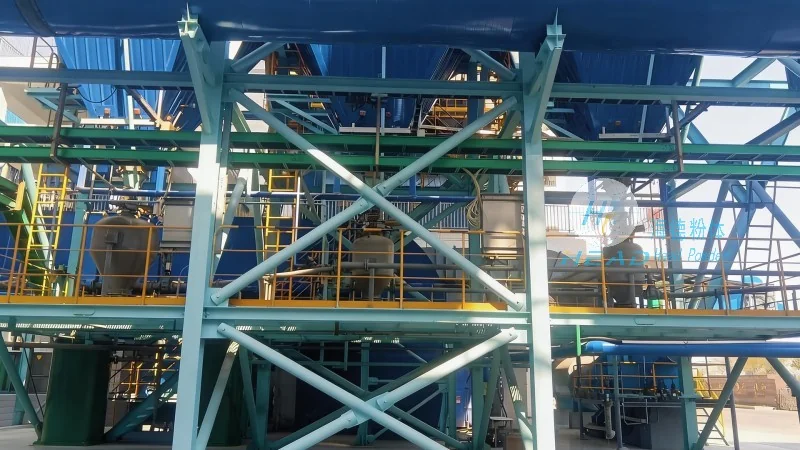
HeadPowder, the professional brand of Shandong HeadPowder Engineering Co., Ltd., specializes in engineering solutions for material handling and processing. With a focus on precision and reliability, HeadPowder provides customized equipment and systems tailored to the unique needs of the lithium battery industry. The company is headquartered in Shandong, China, and has established a reputation for delivering high-quality, efficient solutions that enhance operational performance in material handling processes.
The Importance of Efficient Material Handling for Lithium Iron Carbonate
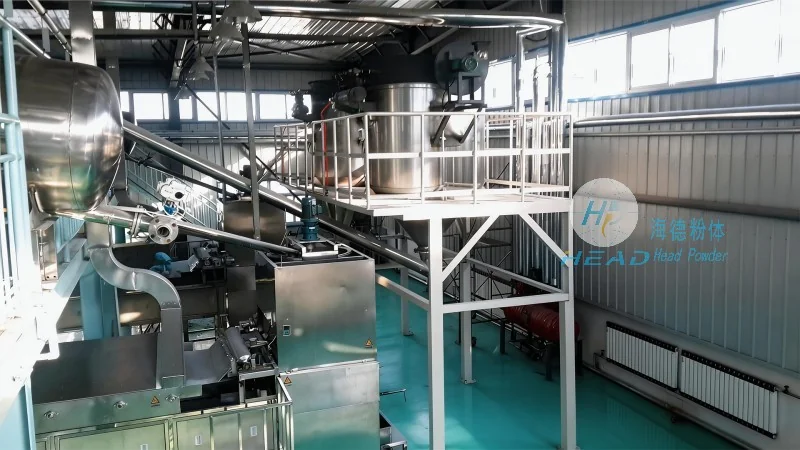
Efficient material handling is a cornerstone of the lithium battery manufacturing process. Lithium iron carbonate must be handled with care to preserve its chemical properties and prevent contamination. Proper handling ensures that the material remains in optimal condition from extraction to final battery assembly. This involves careful control of temperature, humidity, and exposure to air, as well as the use of specialized equipment designed to minimize material degradation. The design of material handling systems must align with these requirements to maintain product integrity and maximize yield.
Key Design Principles for Lithium Iron Carbonate Material Handling Systems
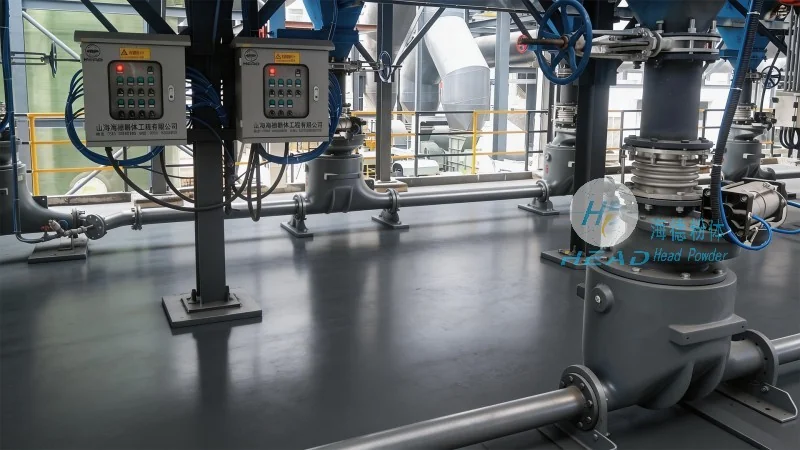
The design of lithium iron carbonate material handling systems follows several core principles to ensure safety, efficiency, and product quality. First, the system must prioritize containment and dust control. Lithium iron carbonate is a fine powder, and proper sealing and filtration are essential to prevent airborne particles from contaminating the environment and affecting worker health. Second, the system must maintain consistent material flow and minimize segregation. Segregation can occur due to differences in particle size or density, leading to uneven material distribution and reduced battery performance. Therefore, the design incorporates features such as uniform feeding, gentle handling, and consistent conveyor speeds to prevent these issues. Third, the system must be scalable and adaptable to varying production volumes. As battery demand grows, material handling systems need to be able to handle increased throughput without compromising performance. This involves modular design and the ability to integrate additional components as needed. Finally, the system must incorporate safety features to protect both personnel and equipment. This includes emergency stop mechanisms, overload protection, and proper grounding to prevent electrical hazards. By adhering to these principles, material handling systems for lithium iron carbonate can effectively support the production of high-quality batteries while minimizing risks.
Common Challenges and Solutions in Lithium Iron Carbonate Material Handling
Handling lithium iron carbonate presents several challenges that must be addressed through thoughtful design. One of the primary challenges is the material's tendency to form clumps or agglomerates, which can cause blockages in conveyor systems and affect material flow. To mitigate this, systems often include pre-treatment steps such as grinding or drying to break down clumps and improve particle uniformity. Another challenge is the risk of dust explosions, which can occur in environments with fine powders and an ignition source. To prevent this, material handling systems incorporate explosion-proof designs, including spark detection and suppression systems. Additionally, the material's sensitivity to moisture requires careful control of humidity levels in the handling area. This is achieved through the use of dehumidifiers and sealed storage containers. HeadPowder Engineering addresses these challenges by integrating advanced technologies into their material handling solutions, such as automated feeding systems, real-time monitoring, and material flow control. These solutions not only improve efficiency but also enhance safety and product quality.
Conclusion
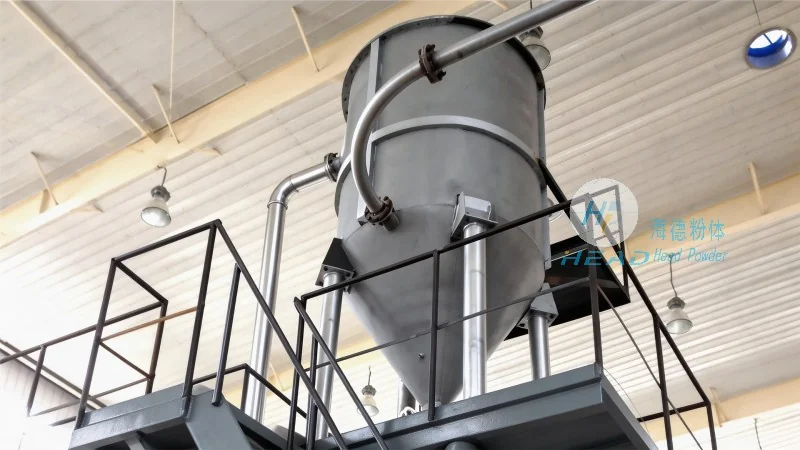
Lithium iron carbonate material handling is a critical aspect of lithium battery production, requiring specialized systems that adhere to strict design principles. The efficient and safe handling of this material is essential for maintaining production efficiency and ensuring the quality of end products. HeadPowder Engineering, with its expertise in material handling solutions, provides customized systems that address the unique challenges of lithium iron carbonate processing. By focusing on containment, flow control, scalability, and safety, HeadPowder helps manufacturers optimize their material handling processes and achieve higher productivity. As the demand for lithium-ion batteries continues to grow, the importance of effective material handling will only increase, making it a key area of focus for companies like HeadPowder Engineering.