

What is Lime Powder Material Handling? And What Are the Design Principles?
Understanding the material handling of quicklime powder is crucial for industries that rely on this chemical for various applications. As a key component in processes like flue gas desulfurization and water treatment, the efficient and safe transportation of quicklime powder directly impacts operational efficiency and safety. This article explores the fundamentals of quicklime powder material handling and the design principles that underpin effective systems.
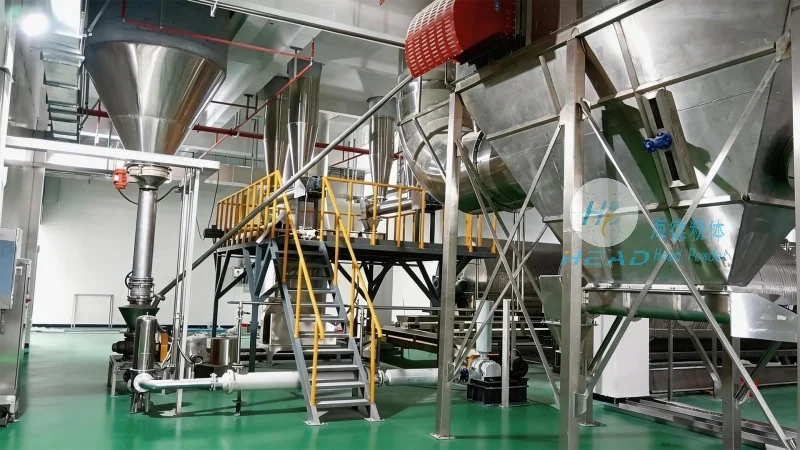
Introduction to Quicklime Powder Material Handling
Quicklime powder, also known as calcium oxide (CaO), is a fine, dry powder with high reactivity and a tendency to absorb moisture from the air. Its handling requires specialized equipment and systems to ensure minimal dust generation, prevent caking, and maintain product integrity. Material handling systems for quicklime powder must address challenges such as dust control, flow uniformity, and equipment durability, as these factors directly affect process performance and worker safety.
Key Design Principles for Quicklime Powder Handling Systems
The design of quicklime powder handling systems is guided by several critical principles to ensure optimal performance and safety. These principles include:
1. Airtight and Dust-Proof Enclosures: Quicklime powder is highly hygroscopic, meaning it readily absorbs moisture from the air, which can lead to caking and blockages in conveying equipment. Therefore, all components of the handling system, including hoppers, conveyors, and storage silos, must be designed with airtight seals and dust-proof mechanisms. This prevents moisture ingress and maintains the powder's flowability.
2. Uniform Flow and Prevention of Segregation: Quicklime powder is prone to segregation, where larger or heavier particles settle at the bottom of storage vessels or during transport, leading to uneven flow rates. To mitigate this, systems often incorporate vibration devices, agitators, or specialized hopper designs that promote uniform material distribution. This ensures consistent conveying rates and prevents equipment wear from uneven loading.
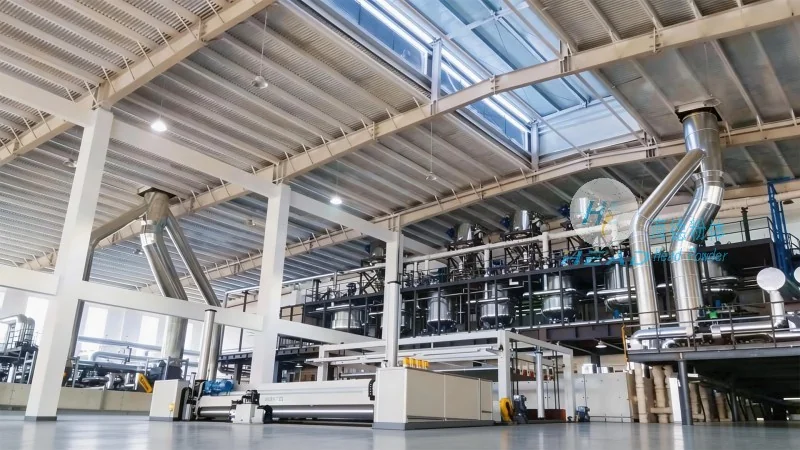
3. Equipment Selection Based on Powder Characteristics: The choice of conveying equipment is tailored to the physical properties of quicklime powder. For example, pneumatic conveying systems are commonly used for long-distance transport due to their ability to handle fine powders with minimal dust dispersion. Screw conveyors or belt conveyors may be used for shorter distances or when the powder is stored in bulk bins. The selection process considers factors like particle size, moisture content, and bulk density to match the equipment to the material's behavior.
4. Integration with Process Requirements: The handling system must align with the downstream processes that use quicklime powder. For instance, in flue gas desulfurization, the powder is often mixed with water to form a slurry, requiring precise dosing and mixing equipment. The design must account for these integration points to ensure the powder is delivered in the correct form and quantity for the subsequent process steps.
Components of a Typical Quicklime Powder Handling System
A comprehensive quicklime powder handling system typically includes several key components, each designed to address specific challenges. These components work in concert to ensure efficient and safe material transport:
1. Storage Silos or Hoppers: These are used to store the quicklime powder in bulk. They are usually made of stainless steel or other corrosion-resistant materials to withstand the chemical properties of the powder. The silos are equipped with airtight lids and internal agitators or vibrators to prevent caking and maintain uniform material flow.
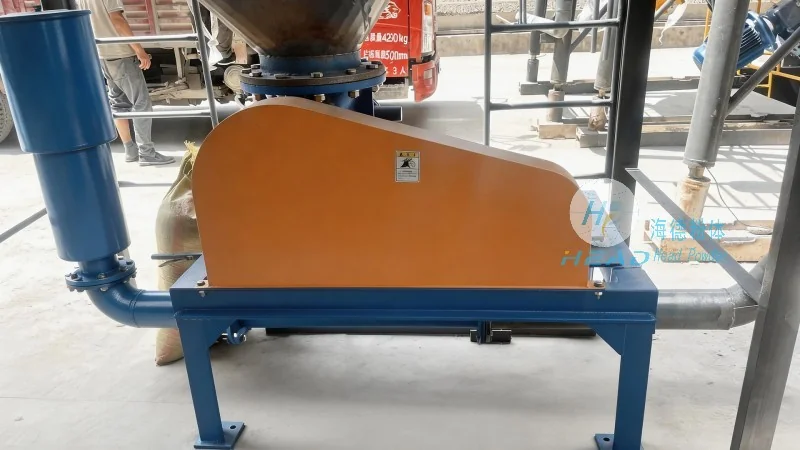
2. Conveying Equipment: This includes pneumatic conveyors, screw conveyors, or belt conveyors, depending on the application. Pneumatic systems use air to transport the powder through pipes, while mechanical systems use rotating components to move the material. The choice of equipment is based on factors like distance, material characteristics, and required flow rates.
3. Dosing and Metering Devices: To ensure accurate delivery of quicklime powder to the process, dosing equipment such as rotary valves or gravimetric feeders is used. These devices control the flow rate and quantity of the powder, which is critical for maintaining process consistency and avoiding over- or under-dosing.
4. Dust Collection and Filtration Systems: Due to the fine nature of quicklime powder, dust control is essential. Systems include cyclones, baghouses, or cartridge filters to capture and remove dust from the air, preventing environmental contamination and protecting equipment from wear.
Benefits of Proper Quicklime Powder Handling
Implementing an effective quicklime powder handling system offers several benefits for industrial operations. These include:
1. Improved Process Efficiency: By ensuring consistent flow rates and accurate dosing, the system minimizes downtime and reduces waste, leading to higher productivity and lower operational costs.
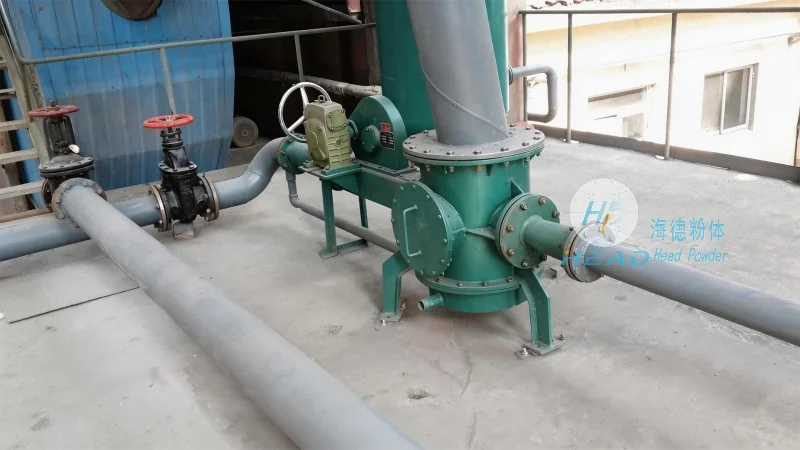
2. Enhanced Safety: Proper containment and dust control reduce the risk of dust explosions and inhalation hazards, creating a safer working environment for personnel.
3. Product Integrity: Airtight systems prevent moisture absorption, maintaining the powder's reactivity and quality, which is vital for downstream processes.
4. Environmental Compliance: Effective dust collection systems help companies meet environmental regulations, avoiding fines and maintaining a positive public image.
Conclusion
Quicklime powder material handling is a specialized field that requires careful consideration of the material's properties and the design principles outlined above. By incorporating airtight enclosures, uniform flow mechanisms, and appropriate equipment, industries can achieve efficient, safe, and reliable transportation of quicklime powder. The expertise of companies like Shandong HeadPowder Engineering Co., Ltd., with their focus on tailored material handling solutions, plays a crucial role in optimizing these systems for various industrial applications.