When it comes to transporting sorghum, selecting the right conveying method is crucial for efficiency, cost-effectiveness, and product integrity. Various options exist, each with its own set of advantages and limitations. Understanding these methods helps businesses choose the most suitable solution for their specific needs. In this article, we explore common sorghum conveying approaches and highlight the superior features of HeadPowder's pneumatic conveying system.

Overview of Common Sorghum Conveying Methods
Sorghum, a versatile grain widely used in food, animal feed, and biofuel production, requires reliable transportation from storage to processing facilities. Traditional methods like belt conveyors, bucket elevators, and screw conveyors have been widely used. However, each has limitations such as material handling capacity, space requirements, and potential for product degradation. Modern industries increasingly turn to pneumatic conveying as a more efficient alternative.
HeadPowder's Pneumatic Conveying System: Key Advantages
HeadPowder, a leading manufacturer based in Shandong, China, specializes in high-quality pneumatic conveying solutions tailored for sorghum and other bulk materials. Their system leverages air pressure to transport sorghum efficiently, offering several key advantages that set it apart from conventional methods. The primary benefit is enhanced product cleanliness and minimal contamination, as the enclosed system prevents exposure to dust and external elements. This is particularly important for sorghum, which is sensitive to moisture and impurities.
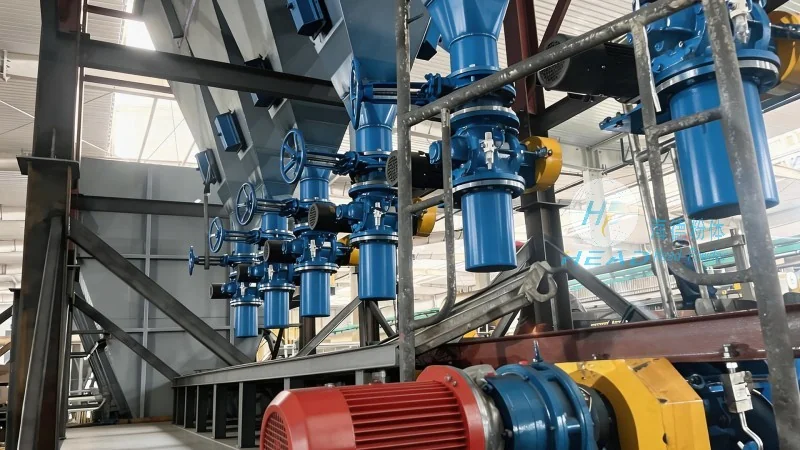
Another significant advantage is the ability to handle a wide range of sorghum types and sizes without causing breakage or damage. The system's flexible design allows for horizontal, vertical, or mixed conveying paths, adapting to different plant layouts. This adaptability reduces installation complexity and costs compared to traditional systems that require extensive structural modifications.
Efficiency and Cost-Effectiveness
HeadPowder's pneumatic conveying system is designed for high efficiency, with minimal energy consumption and low maintenance requirements. The use of air as the conveying medium reduces the need for mechanical components like belts or buckets, which are prone to wear and tear. This translates to lower operational costs over the system's lifespan. Additionally, the system's compact design saves valuable floor space, making it ideal for facilities with limited room for large equipment.
Product Integrity and Hygiene
For industries where product quality and hygiene are paramount, HeadPowder's system excels. The enclosed, sealed design prevents cross-contamination and ensures that sorghum remains in its original state until it reaches the processing stage. This is critical for applications where the grain's nutritional value or market value depends on its purity. The system also minimizes dust generation, contributing to a cleaner working environment and reduced health risks for operators.
Customization and Scalability
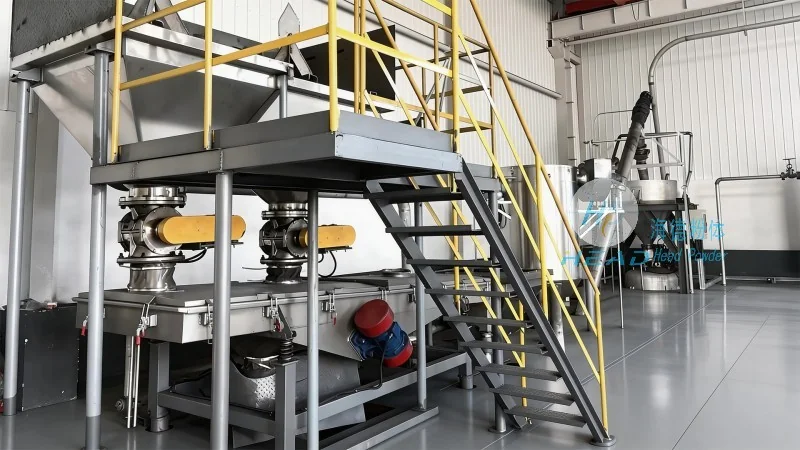
HeadPowder understands that no two facilities are identical, which is why their pneumatic conveying solutions are highly customizable. Clients can choose from various components, including different types of air pumps, filters, and material handling units, to match their specific sorghum processing needs. The system is also scalable, allowing for easy expansion as production volumes increase. This flexibility ensures that the investment in the conveying system remains relevant and effective over the long term.
Conclusion
Choosing the right sorghum conveying method is essential for optimizing operations and maintaining product quality. While traditional methods have their place, modern pneumatic conveying systems like HeadPowder's offer significant advantages in efficiency, cost, and product integrity. By leveraging advanced technology and tailored solutions, HeadPowder provides reliable and effective conveying systems that meet the demands of today's sorghum processing industries. For businesses seeking to enhance their sorghum handling processes, HeadPowder's pneumatic conveying system is a superior choice.




