

Operation Process and Working Principle of a Material Mixing Pneumatic Conveying Line
A material mixing pneumatic conveying line is a sophisticated system engineered to transport and blend various powdered or granular materials efficiently. This technology is widely utilized in industries such as pharmaceuticals, food processing, and chemical manufacturing, where precise control over material flow and mixing is critical. The system integrates pneumatic transport principles with advanced mixing mechanisms to ensure uniform distribution of ingredients, thereby enhancing product quality and consistency.
Key Components of the Pneumatic Conveying System
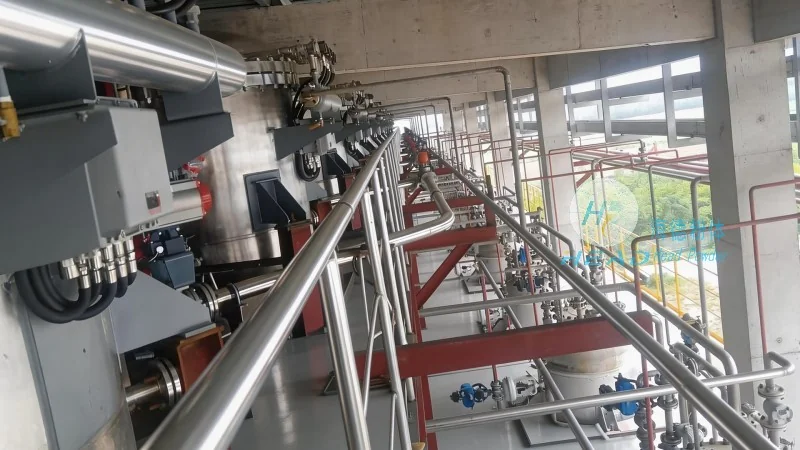
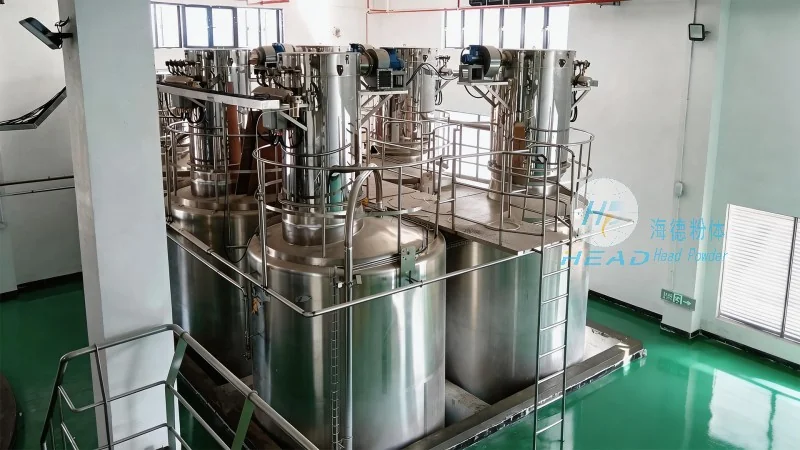
The operation of a material mixing pneumatic conveying line relies on several key components that function in tandem to achieve optimal performance. These components typically include a hopper for material storage, a feeder to regulate the flow of material into the system, a conveying pipeline, a mixing chamber, and a discharge unit. Each component plays a crucial role in maintaining material integrity and ensuring smooth operation. The hopper is designed to hold raw materials, while the feeder controls the flow rate to match required production rates. The pipeline, often constructed from stainless steel or other corrosion-resistant materials, transports the material under pressure. The mixing chamber is where different ingredients are combined to achieve the desired blend ratio, and the discharge unit collects the mixed material for further processing.
Operation Process of the Material Mixing Pneumatic Conveying Line
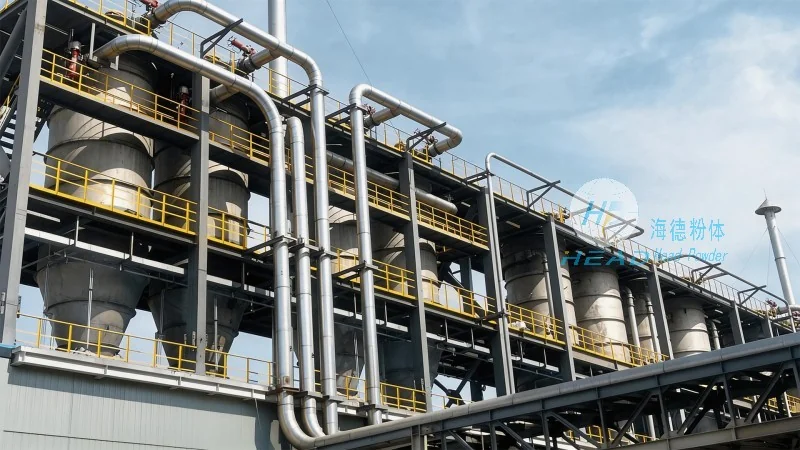
The operation process of a material mixing pneumatic conveying line involves sequential steps to ensure materials are transported and mixed correctly. First, raw materials are loaded into the hopper. The feeder then initiates, regulating the flow rate to align with production requirements. The material is drawn into the conveying pipeline by a vacuum or pressure source, depending on the system design. As the material travels through the pipeline, it may encounter mixing elements or agitators within the mixing chamber to ensure thorough blending. The mixed material is subsequently discharged from the system and collected in a storage bin or directly fed into the next production stage. The entire process is typically automated, with sensors and control systems monitoring key parameters such as pressure, flow rate, and mixing time to maintain consistent performance.
Working Principle of the Pneumatic Conveying System
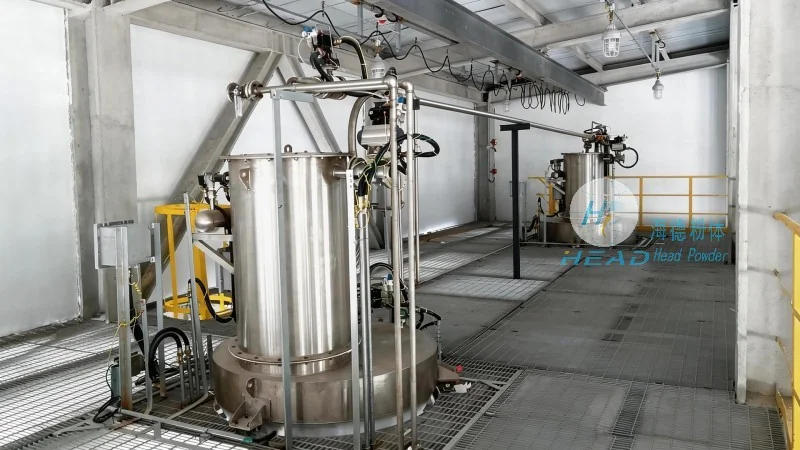
The working principle of a material mixing pneumatic conveying line is based on the movement of material particles within a gas stream. In a pressure system, compressed air is used to push the material through the pipeline, while in a vacuum system, a vacuum pump creates a negative pressure that pulls the material. The mixing process is achieved by introducing different material streams into the same pipeline or by using a mixing chamber with rotating blades or other mixing devices. The system's efficiency depends on factors such as the particle size of the material, the air velocity, and the pipeline design. Proper design and maintenance of components are essential to prevent blockages, ensure consistent flow, and maintain the quality of the mixed material.