

Operation Process and Working Principle of Petrochemical Pneumatic Conveying Lines
The operation of petrochemical pneumatic conveying lines is a critical process in industrial material handling, ensuring efficient and safe transportation of bulk materials within chemical and petrochemical facilities. Understanding the operation process and working principles of these systems is essential for optimizing performance, maintaining safety standards, and enhancing overall operational efficiency.
Introduction to Petrochemical Pneumatic Conveying Systems
Pneumatic conveying systems are widely used in the petrochemical industry to transport various materials such as powders, granules, and fine particles from one location to another. These systems utilize air or other gases to move materials through a network of pipes, offering advantages like reduced contamination, minimal maintenance, and the ability to handle hazardous materials safely. The effectiveness of these systems depends on a well-designed operation process and a thorough understanding of the underlying working principles.
About HeadPowder: A Leading Provider of Pneumatic Conveying Solutions
HeadPowder, or Shandong HeadPowder Engineering Co., Ltd., is a reputable company based in China, specializing in the design, manufacturing, and installation of advanced pneumatic conveying systems. With a strong commitment to quality and innovation, HeadPowder has established itself as a trusted partner for industries requiring reliable material handling solutions. The company’s headquarters is located in Shandong, China, where it leverages local expertise and resources to deliver tailored solutions that meet the unique needs of its clients.
The Operation Process of Petrochemical Pneumatic Conveying Lines
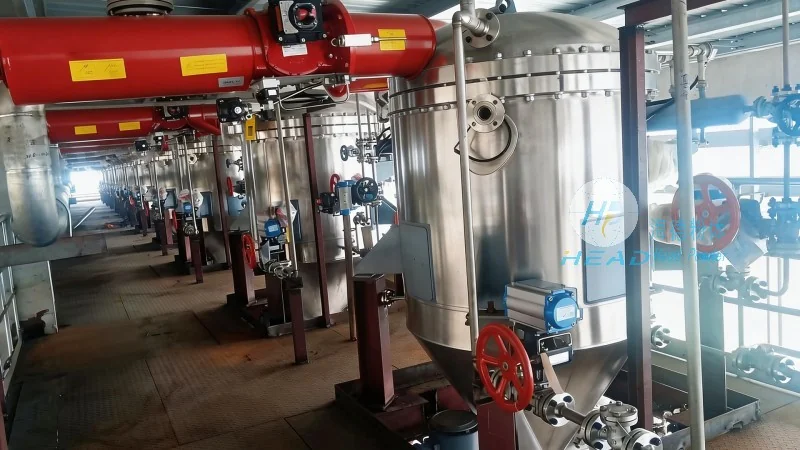
The operation process of petrochemical pneumatic conveying lines involves several key steps that ensure smooth and continuous material transport. Initially, the material is fed into the system, typically through a hopper or feeder, where it is prepared for transport. The system then uses a blower or compressor to generate the necessary air pressure, which propels the material through the pipeline. As the material travels, it is mixed with the air stream, creating a dense phase or dilute phase flow, depending on the system design and material characteristics. The conveying line may include components like bends, elbows, and filters to direct the flow and prevent material buildup or contamination. At the destination, the material is separated from the air, often through a cyclone or separator, and collected in a receiving hopper or storage tank. The entire process is controlled by a system of valves, sensors, and control panels, which monitor pressure, flow rates, and other parameters to maintain optimal operation.
Working Principles of Petrochemical Pneumatic Conveying Systems
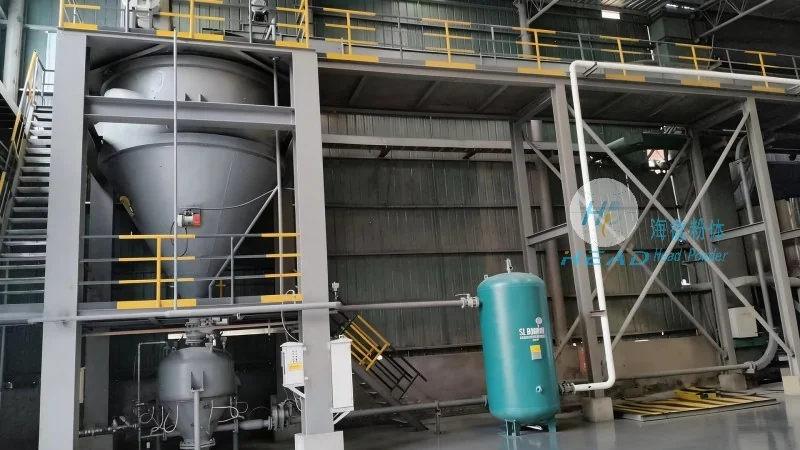
The working principles of petrochemical pneumatic conveying systems are based on the fundamental concept of using air or gas to move materials through a closed pipeline. There are two primary types of pneumatic conveying systems: pressure and vacuum. In pressure systems, the air is compressed and introduced at the discharge end of the line, pushing the material forward. Conversely, vacuum systems use a vacuum pump to create a negative pressure at the inlet, drawing the material into the pipeline. The choice between these systems depends on factors such as material properties, distance to be conveyed, and the need for containment. The system’s performance is influenced by variables like air velocity, material density, and pipeline diameter, all of which must be carefully optimized to achieve efficient and reliable transport. Additionally, the design of the conveying line, including the selection of appropriate materials for the pipes and components, plays a crucial role in ensuring durability and resistance to corrosion, which is critical in petrochemical environments.
Key Components and Their Roles in the System
Several key components are integral to the operation of petrochemical pneumatic conveying lines. The blower or compressor is responsible for generating the air pressure needed to move the material. The feeder or hopper ensures a consistent and controlled flow of material into the system, preventing blockages and maintaining uniform transport. The pipeline network, made from materials like stainless steel or special alloys, provides the path for material and air flow. Bends and elbows are used to change the direction of the flow, while filters and cyclones are essential for separating the material from the air at the receiving end. Control valves regulate the air flow and pressure, allowing for adjustments to accommodate different material types or operational conditions. Sensors and monitoring systems provide real-time data on system performance, enabling operators to detect and address issues promptly, thereby enhancing safety and efficiency.
Benefits and Applications in the Petrochemical Industry
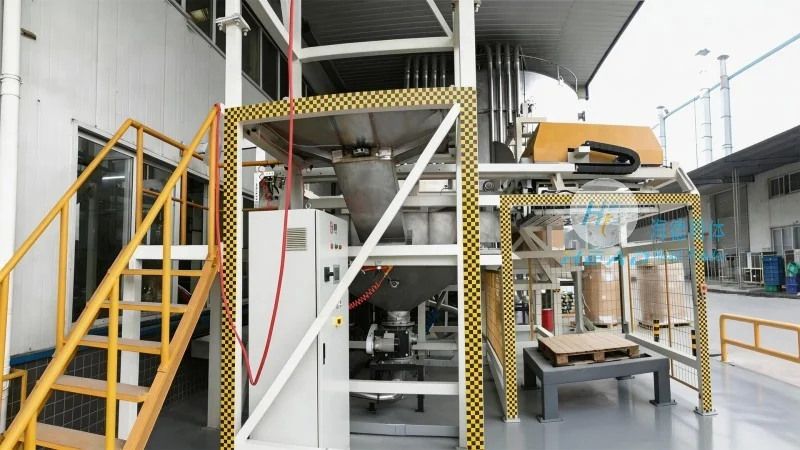
Petrochemical pneumatic conveying lines offer numerous benefits that make them indispensable in industrial settings. These systems provide a clean and hygienic method of material transport, minimizing the risk of contamination and ensuring product quality. They also reduce the need for manual handling, improving workplace safety and reducing labor costs. The flexibility of pneumatic conveying allows for the transport of a wide range of materials, from fine powders to bulk granules, and over varying distances. In the petrochemical industry, these systems are commonly used for transporting raw materials, intermediate products, and finished goods, such as chemicals, fertilizers, and plastics. The ability to handle hazardous materials safely, without the need for open containers or manual handling, makes pneumatic conveying an ideal solution for facilities dealing with potentially dangerous substances.
Maintenance and Best Practices for Optimal Performance
To ensure the long-term reliability and efficiency of petrochemical pneumatic conveying lines, regular maintenance and adherence to best practices are essential. Routine inspections of components like pipes, valves, and filters are necessary to detect and address wear and tear or blockages early. Cleaning the system, particularly the filters and cyclones, is crucial to prevent material buildup and maintain optimal air flow. Proper operation, including avoiding overloading the system and maintaining consistent air pressure, helps prevent damage and extends the lifespan of the equipment. Training operators on the proper use and monitoring of the system is also vital for ensuring safe and efficient operation. By following these maintenance practices, petrochemical facilities can maximize the performance of their pneumatic conveying systems and minimize downtime or operational issues.
Conclusion
In conclusion, the operation process and working principles of petrochemical pneumatic conveying lines are complex yet essential for efficient material handling in the industry. With the expertise of companies like Shandong HeadPowder Engineering Co., Ltd., these systems can be designed and implemented to meet the specific needs of petrochemical facilities, ensuring safe, reliable, and efficient transport of materials. By understanding the key components, operation steps, and maintenance requirements, industrial operators can optimize their pneumatic conveying systems, enhancing productivity and reducing operational costs.