

Operation Process and Working Principle of Mineral Sand Pneumatic Conveying Systems
Mineral sand pneumatic conveying systems are essential equipment in various industrial applications, designed to transport mineral sands and other bulk materials efficiently. These systems utilize air pressure or vacuum to move materials through a pipeline network, offering a flexible and reliable method for material handling. The operation process and working principle of such systems are crucial for understanding their functionality and optimizing performance in industrial settings.
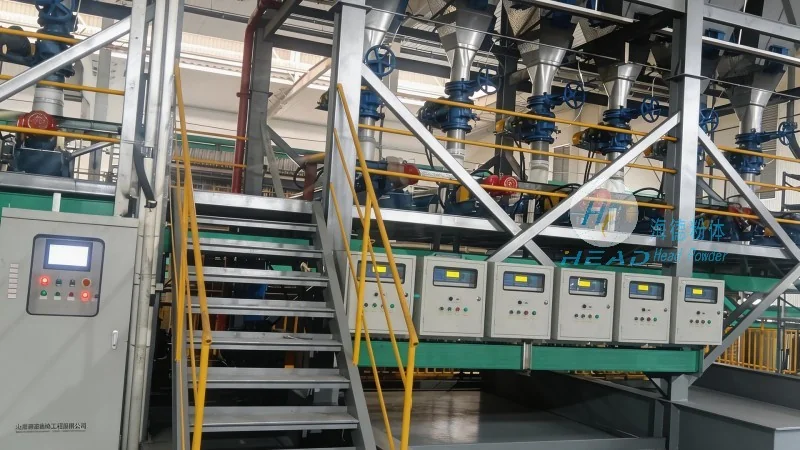
Company Overview: Shandong HeadPowder Engineering Co., Ltd.
HeadPowder, the manufacturer of these advanced pneumatic conveying systems, is a leading company based in Shandong, China. With a strong focus on engineering excellence and customer satisfaction, HeadPowder specializes in designing, manufacturing, and supplying high-quality mineral sand pneumatic conveying solutions. The company's commitment to innovation and quality ensures that its products meet the stringent requirements of modern industrial operations.
Key Components of Mineral Sand Pneumatic Conveying Lines
A typical mineral sand pneumatic conveying line consists of several key components that work in tandem to ensure efficient material transport. These components include the material feed hopper, which stores and feeds the mineral sand into the system; the air compressor or vacuum pump, which generates the necessary air pressure or vacuum; the conveying pipeline, which transports the material; and the control system, which regulates the flow and pressure. Each component plays a vital role in the overall operation of the system, and their proper integration is essential for optimal performance.
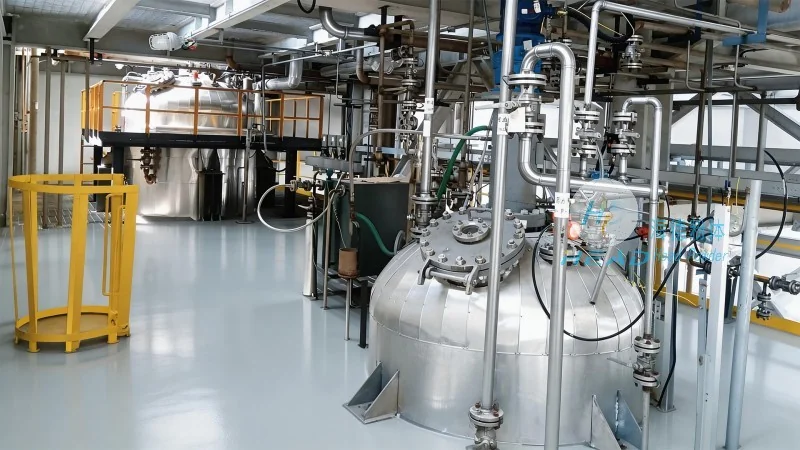
The Working Principle of Pneumatic Conveying
The working principle of mineral sand pneumatic conveying systems is based on the movement of material particles suspended in a stream of air. When air is introduced into the system, it creates a flow that lifts and transports the mineral sand particles through the pipeline. This process can be categorized into two main types: dilute phase and dense phase conveying. Dilute phase conveying uses higher air velocities to move materials in a relatively low concentration, while dense phase conveying uses lower air velocities and higher material concentrations to ensure gentle handling and minimal product degradation.
Operation Process of a Mineral Sand Pneumatic Conveying Line
The operation process of a mineral sand pneumatic conveying line involves several sequential steps. First, the mineral sand is loaded into the feed hopper. The control system then activates the air compressor, which generates the required air pressure. The air is then mixed with the mineral sand in the hopper, creating a slurry that is transported through the pipeline. The material is discharged at the receiving end, and the system returns to its idle state. This cycle repeats continuously, ensuring a steady flow of mineral sand from the source to the destination. The efficiency of this process depends on the proper calibration of the air flow rate, material feed rate, and pipeline design.
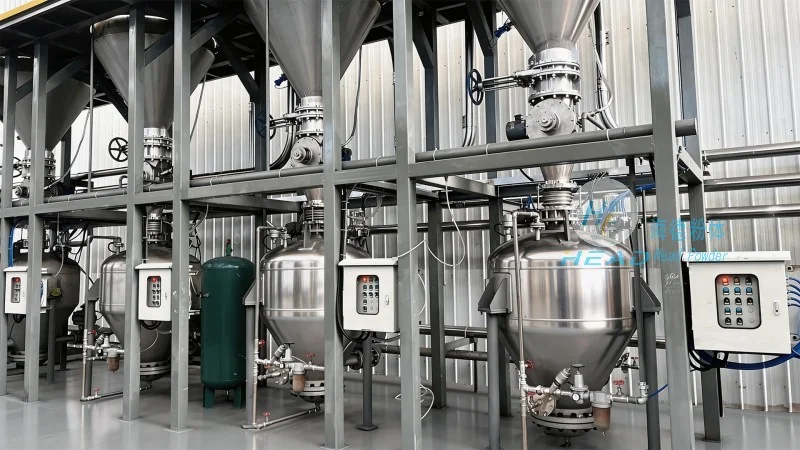
Advantages of Mineral Sand Pneumatic Conveying Systems
Mineral sand pneumatic conveying systems offer several advantages over traditional material handling methods. These include reduced labor costs, as the system operates automatically with minimal human intervention; improved safety, as there are no moving parts in direct contact with the material; and enhanced flexibility, as the pipeline can be easily reconfigured to accommodate changes in production needs. Additionally, these systems are capable of handling a wide range of material types, including abrasive and corrosive mineral sands, without causing damage to the equipment.
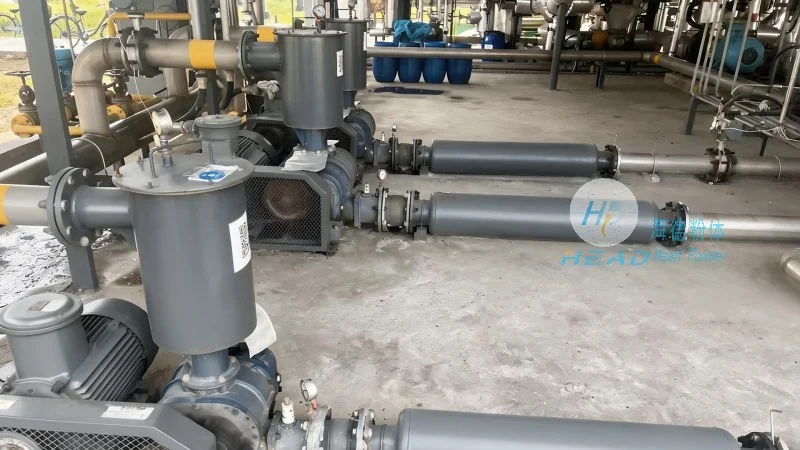
Application Areas of Mineral Sand Pneumatic Conveying Systems
Mineral sand pneumatic conveying systems are widely used in various industries, including mining, construction, and chemical processing. In the mining industry, they are used to transport mineral sands from extraction sites to processing facilities. In the construction industry, they are used to transport sand and other bulk materials to construction sites. In the chemical processing industry, they are used to transport mineral sands for use in the production of various chemicals and materials. The versatility of these systems makes them suitable for a wide range of industrial applications.
Conclusion and Company Commitment
Mineral sand pneumatic conveying systems are a critical component of modern industrial operations, providing efficient and reliable material handling solutions. Shandong HeadPowder Engineering Co., Ltd. is a trusted manufacturer of these systems, offering high-quality products that meet the needs of various industrial applications. With its commitment to innovation and quality, HeadPowder continues to provide advanced solutions for the efficient transport of mineral sands and other bulk materials.