

Operation Process and Working Principle of Wheat Pneumatic Conveying Lines
Wheat pneumatic conveying lines are essential equipment in the grain processing industry, designed to efficiently transport wheat from one location to another through an air-based system. The technology behind these lines combines the principles of fluidization and pneumatic transport, enabling the movement of bulk materials like wheat with minimal friction and reduced risk of contamination. As a key component in modern grain handling operations, these systems are crucial for maintaining the quality and integrity of wheat during transit.
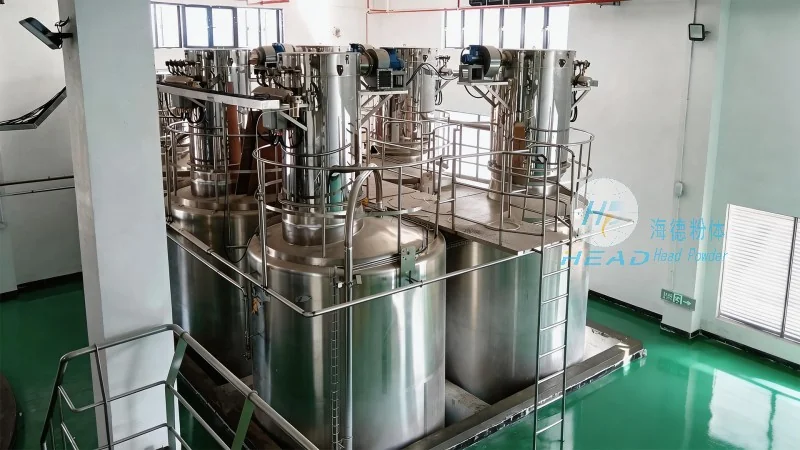
Key Components of a Wheat Pneumatic Conveying System
A typical wheat pneumatic conveying line consists of several core components that work in tandem to ensure smooth operation. The primary elements include a hopper or feeder to store and feed the wheat, a blower or air compressor to generate the necessary air pressure, a pipeline network to direct the material flow, and a receiver or discharge unit to collect the transported wheat. Each component plays a vital role in the overall functionality of the system, and their proper integration is essential for optimal performance.
The Operation Process of Wheat Pneumatic Conveying
The operation of a wheat pneumatic conveying line begins with the loading of wheat into the hopper. The feeder then regulates the flow of wheat into the pipeline, while the blower creates a low-pressure zone that draws the wheat particles into the air stream. As the wheat moves through the pipeline, it is carried by the air current, which helps to keep the material suspended and prevents blockages. The receiver at the end of the line collects the wheat, allowing it to be discharged into a storage bin or processing unit. This process is continuous and can be adjusted to handle varying volumes of wheat, making it a flexible solution for different operational needs.
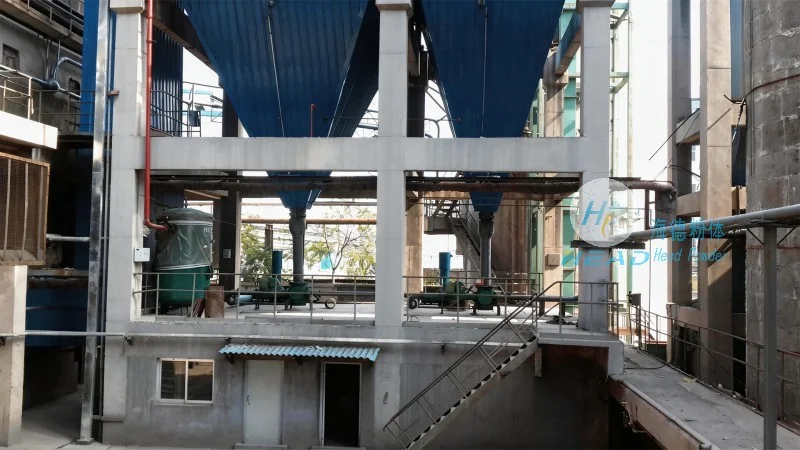
Working Principle of Pneumatic Conveying Technology
The working principle of wheat pneumatic conveying relies on the concept of pneumatic transport, where the material is conveyed by a moving air stream. The system operates under negative pressure, meaning the air pressure inside the pipeline is lower than the ambient air pressure. This pressure differential draws the wheat particles into the air stream, allowing them to be transported efficiently. The air velocity within the pipeline is carefully controlled to ensure that the wheat remains suspended without causing excessive wear on the equipment. Additionally, the system may incorporate features such as cyclones or filters to separate the wheat from the air, ensuring that the material is delivered in a clean and uncontaminated state.
Advantages of Using Wheat Pneumatic Conveying Lines
Wheat pneumatic conveying lines offer several advantages over traditional mechanical conveying methods. One of the key benefits is the ability to transport wheat over long distances without the need for multiple transfer points or intermediate storage. This reduces the risk of material degradation and contamination, as the wheat remains in a controlled environment throughout the process. Additionally, the system is less prone to blockages and can handle a wide range of wheat types and conditions, including wet or sticky varieties. The low maintenance requirements and energy efficiency of pneumatic conveying also make it a cost-effective solution for grain processing facilities.
Applications and Industries Using Wheat Pneumatic Conveying
Wheat pneumatic conveying lines are widely used in various industries, including grain processing, flour milling, and food production. In grain processing facilities, these systems are used to transport wheat from storage silos to processing units, such as cleaning or milling equipment. In flour mills, the conveying lines help to move wheat from the storage area to the grinding and sifting stages, ensuring a consistent supply of raw material. The technology is also utilized in food processing plants where wheat is used as an ingredient in products like bread, pasta, and cereals. The versatility of pneumatic conveying makes it suitable for a variety of applications, from small-scale operations to large industrial facilities.
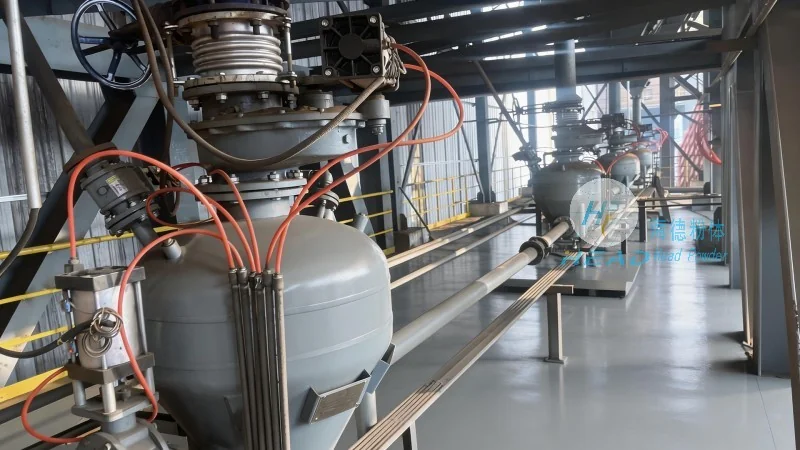
Customization and Integration with Other Equipment
Shandong HeadPowder Engineering Co., Ltd. specializes in designing and manufacturing customized wheat pneumatic conveying lines to meet the specific needs of their clients. The company's engineers work closely with customers to understand their operational requirements and develop solutions that optimize performance and efficiency. Customization options may include adjustments to the pipeline diameter, air pressure, and material handling capacity to suit different wheat types and processing volumes. Additionally, the conveying lines can be integrated with other equipment, such as grain cleaners, de-stoners, or storage silos, to create a comprehensive grain handling system. This integration ensures that the wheat is processed efficiently from the point of storage to the final product, enhancing overall operational productivity.
Quality Assurance and Maintenance
Ensuring the reliability and longevity of wheat pneumatic conveying lines requires proper maintenance and quality control measures. Shandong HeadPowder Engineering Co., Ltd. adheres to strict quality standards in the design and manufacturing of their equipment, using high-quality materials and components that are resistant to corrosion and wear. Regular maintenance, including inspections of the blower, pipeline, and feeder, is essential to prevent issues such as air leaks or material blockages. The company also provides technical support and maintenance services to help customers keep their conveying lines in optimal condition. By following recommended maintenance procedures, users can extend the lifespan of their equipment and minimize downtime, ensuring consistent performance over time.