

Introduction to Fine Sand Conveying Systems and the Advantages of Fine Sand Pneumatic Conveying
For industries dealing with fine sand, the efficient and reliable transportation of these materials is crucial. Fine sand, often used in construction, glass manufacturing, and other industrial processes, presents unique challenges during handling and transport. Traditional methods like belt conveyors or manual handling can lead to issues such as dust generation, material degradation, and operational inefficiencies. To address these challenges, advanced fine sand conveying systems have been developed, with pneumatic conveying emerging as a preferred solution. This article provides an overview of fine sand conveying systems and highlights the key advantages of using pneumatic technology for fine sand transport.
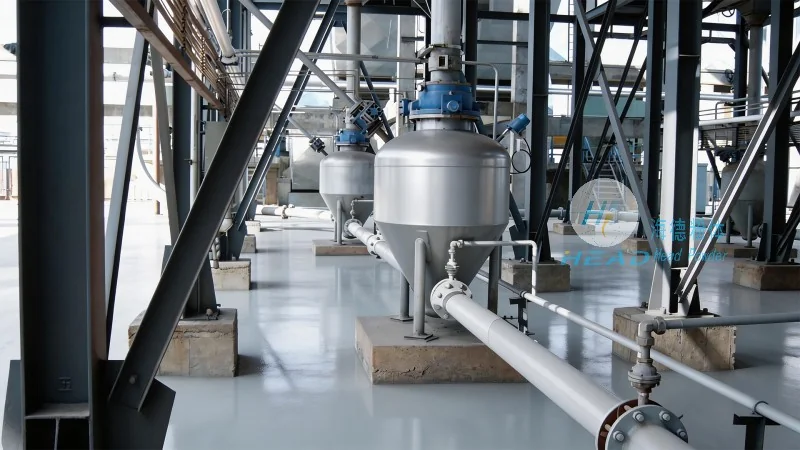
Understanding Fine Sand Conveying Systems
Fine sand conveying systems are engineered to handle the specific properties of fine sand, which includes high moisture content, abrasive nature, and the tendency to create dust. These systems are designed to ensure minimal material loss, maintain product quality, and provide a safe working environment. The core components of a typical fine sand conveying system include a material feed hopper, a conveying line (often with multiple segments), a dust collection system, and a discharge outlet. The feed hopper is responsible for storing and feeding the fine sand into the conveying line, while the conveying line transports the material through the system using air pressure or vacuum. The dust collection system is critical for controlling airborne particles and ensuring compliance with environmental regulations.
Advantages of Pneumatic Conveying for Fine Sand
Pneumatic conveying, also known as air conveying, offers several advantages over traditional mechanical methods for fine sand transport. One of the primary benefits is the ability to handle fine, abrasive materials without causing wear and tear on equipment. Unlike belt conveyors, which can suffer from material buildup and friction, pneumatic systems use air to move particles, reducing mechanical stress on components. This results in lower maintenance costs and longer equipment lifespan. Additionally, pneumatic conveying is highly flexible, allowing for vertical and horizontal transport, as well as complex routing to suit different plant layouts. The system can be configured to operate under pressure or vacuum, providing versatility in material handling.
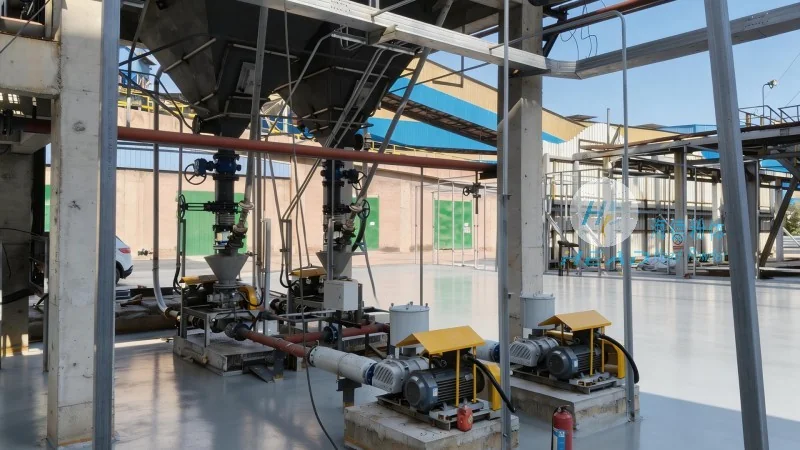
Key Features of Fine Sand Pneumatic Conveying Systems
Modern fine sand pneumatic conveying systems incorporate advanced features to enhance performance and efficiency. For instance, some systems use positive pressure to push fine sand through the conveying line, which is effective for short to medium distances. Others employ negative pressure (suction) to draw material from a source, suitable for long-distance or multi-point collection. The use of high-efficiency filters and cyclone separators in the dust collection system ensures that fine sand is recovered and reused, minimizing waste. Furthermore, many systems are equipped with automated controls that monitor pressure, flow rate, and material levels, providing real-time data for process optimization. This automation not only improves operational efficiency but also reduces the risk of human error.
Applications and Industries Benefiting from Fine Sand Conveying
Fine sand conveying systems are widely used across various industries. In the construction sector, fine sand is a key ingredient in concrete and mortar production. Pneumatic conveying allows for the precise and dust-free transport of sand from storage silos to mixing plants, ensuring consistent quality in the final product. The glass manufacturing industry also relies on fine sand for glass production, where the purity and consistency of the material are critical. Pneumatic systems help maintain these standards by preventing contamination from external sources. Other industries, such as foundries and ceramics, use fine sand in the production of molds and refractory materials. The ability of pneumatic conveying to handle abrasive materials without degradation makes it ideal for these applications.
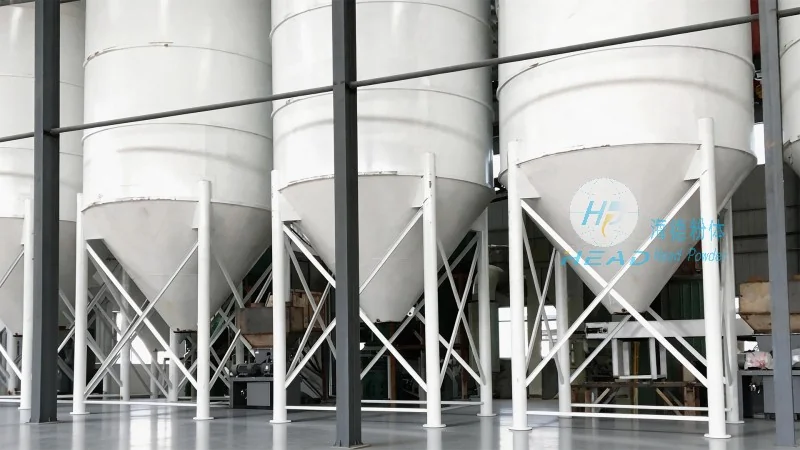
Environmental and Safety Considerations
Environmental and safety considerations are paramount in fine sand handling. Traditional methods often result in significant dust emissions, which can pose health risks to workers and contribute to air pollution. Pneumatic conveying systems address these issues by containing the material within the conveying line and using efficient dust collection systems. This not only protects workers from respiratory hazards but also helps companies comply with environmental regulations. Additionally, the enclosed nature of pneumatic systems reduces the risk of material spillage and contamination, maintaining a clean and safe workplace. For companies operating in regions with strict environmental standards, pneumatic conveying is often the preferred choice due to its low environmental impact.
Conclusion and Future Trends
As industries continue to demand higher efficiency and quality in material handling, fine sand conveying systems, particularly those using pneumatic technology, are becoming increasingly important. The advantages of reduced dust, improved material quality, and operational flexibility make these systems a valuable investment for companies dealing with fine sand. With ongoing advancements in technology, such as the integration of IoT sensors and smart controls, future fine sand conveying systems are expected to offer even greater efficiency and reliability. For businesses looking to enhance their material handling processes, investing in a well-designed fine sand pneumatic conveying system can lead to significant improvements in productivity and cost-effectiveness.