

Chromium(III) Oxide Powder Conveyor: What It Is and Its Design Principles
Chromium(III) oxide, also known as chromium sesquioxide, is a widely used inorganic compound with the chemical formula Cr₂O₃. It is often employed as a pigment, catalyst, and in various industrial applications. The efficient handling and transportation of chromium(III) oxide powder are critical for maintaining product quality and operational efficiency in manufacturing processes. This article explores the concept of a chromium(III) oxide powder conveyor and delves into its design principles, highlighting the key factors that influence its performance and reliability.
Understanding the Chromium(III) Oxide Powder Conveyor
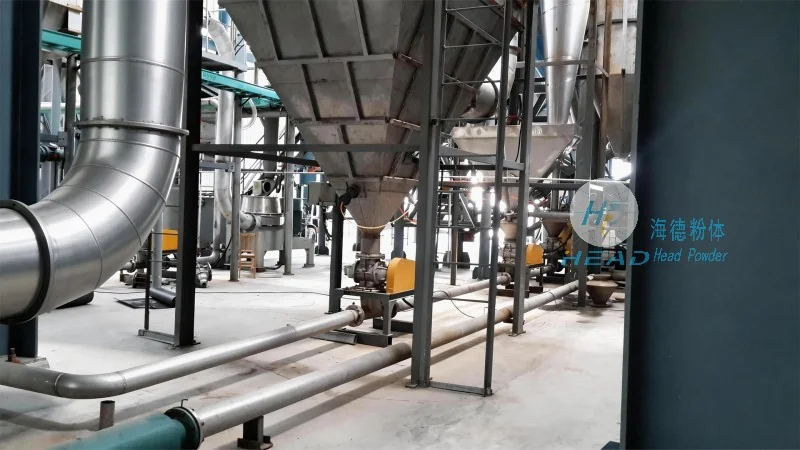
A chromium(III) oxide powder conveyor is a specialized piece of equipment designed to transport fine powders of chromium(III) oxide from one location to another within an industrial setting. These conveyors are essential in processes where the material needs to be moved without degradation, contamination, or loss of quality. The primary goal of such a system is to ensure that the powder is handled gently, preventing agglomeration, caking, or degradation that could affect downstream processes or final product characteristics.
Key Components of a Chromium(III) Oxide Powder Conveyor
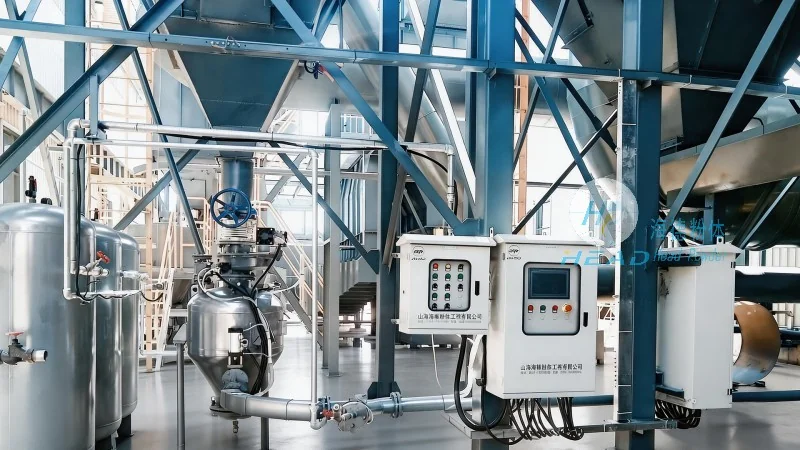
The design of a chromium(III) oxide powder conveyor typically involves several key components that work in concert to achieve efficient and reliable material handling. These components include:
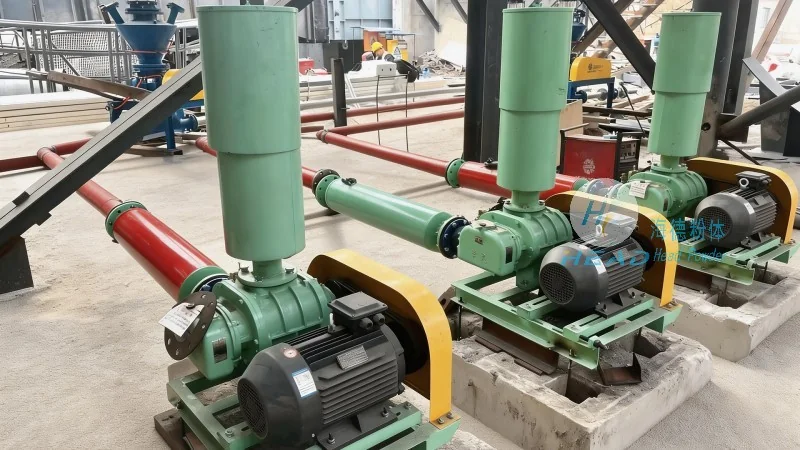
- Pneumatic Conveying Systems: Many chromium(III) oxide powder conveyors utilize pneumatic systems, where the powder is transported through a pipeline using air or other gases. This method is particularly effective for fine powders as it minimizes particle attrition and contamination.
- Rotary Valves and Feeders: These components are used to control the flow rate and direction of the powder. Rotary valves, such as star valves or rotary airlocks, ensure a consistent and controlled discharge of the material, preventing overfilling or underfilling.
- Piping and Hoses: The conveyor system relies on a network of pipes or hoses to guide the powder through the system. The choice of material for these components is critical, as chromium(III) oxide can be abrasive and corrosive to some materials. Stainless steel or specialized polymers are commonly used to ensure durability and resistance to chemical attack.
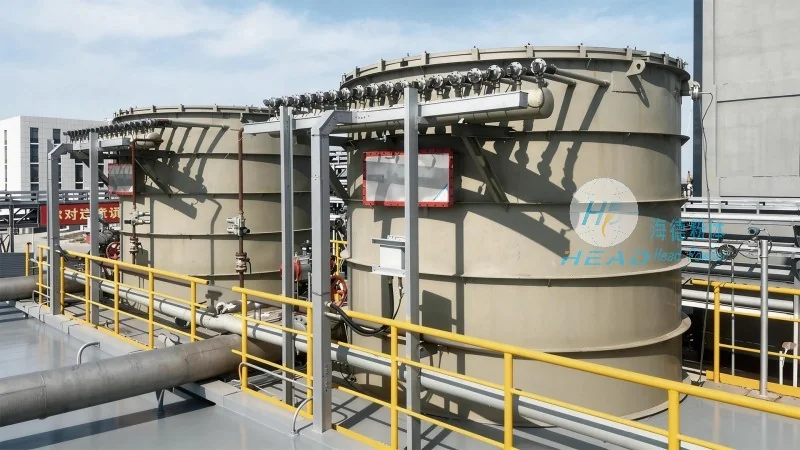
- Filters and Dust Collectors: To maintain air quality and prevent the release of fine powder particles into the environment, filters and dust collectors are integrated into the system. These components capture any airborne particles, ensuring compliance with environmental regulations and protecting personnel from inhalation hazards.
Design Principles for Optimal Performance
The design of a chromium(III) oxide powder conveyor is guided by several key principles aimed at maximizing efficiency, minimizing material degradation, and ensuring safety. These principles include:
- Low Shear and Gentle Handling: Chromium(III) oxide is a fine powder that is prone to agglomeration and degradation under high shear forces. Therefore, the conveyor design must minimize particle impact and friction. This is achieved through the use of smooth surfaces, low-speed rotation, and gentle air flow.
- Controlled Airflow and Pressure: The velocity and pressure of the air or gas used in pneumatic conveying are carefully controlled to ensure that the powder particles are transported without excessive stress. Proper airflow ensures that the particles remain suspended and move smoothly through the system.
- Material Compatibility: The materials used in the construction of the conveyor system must be compatible with chromium(III) oxide. This includes the pipes, valves, and other components, which should be resistant to corrosion and abrasion caused by the powder. Stainless steel is often preferred due to its durability and resistance to chemical attack.
- Prevention of Contamination: The conveyor system must be designed to prevent cross-contamination with other materials or environmental pollutants. This involves using sealed systems, proper cleaning procedures, and maintaining a controlled environment within the conveyor.
Applications and Benefits of Chromium(III) Oxide Powder Conveyors
Chromium(III) oxide powder conveyors are widely used in various industries, including the pigment industry, chemical manufacturing, and aerospace. The benefits of using such a system include:
- Improved Product Quality: By handling the powder gently and preventing degradation, the conveyor helps maintain the purity and quality of chromium(III) oxide, which is critical for its applications as a pigment or catalyst.
- Enhanced Operational Efficiency: The automated nature of the conveyor system reduces labor costs and minimizes the risk of human error in material handling. It also allows for continuous operation, increasing overall productivity.
- Environmental Compliance: The integrated filters and dust collectors ensure that the system complies with environmental regulations, preventing the release of fine powder particles into the atmosphere and protecting the environment.
- Space Efficiency: Pneumatic conveying systems can be designed to fit into tight spaces, making them suitable for facilities with limited floor space.
Conclusion
A chromium(III) oxide powder conveyor is a sophisticated piece of equipment that plays a vital role in the efficient and safe handling of this important industrial material. The design principles, including low shear handling, controlled airflow, and material compatibility, are crucial for ensuring the performance and reliability of the system. By understanding these principles and the key components of the conveyor, manufacturers can optimize their processes and achieve better results in the handling of chromium(III) oxide powder.