Working Principle and Features of Husk Material Conveying Systems
Release time:2026-09-17 18:01:22
name of the company:Shandong Headpowder Engineering Co., Ltd.
telephone:156-6277-7102
contacts:Zhang manager
For industries dealing with agricultural or industrial processing of husk materials, efficient and reliable conveying systems are crucial for maintaining productivity and ensuring material handling safety. This article explores the working principle and key features of husk material conveying systems, highlighting how they enhance operational efficiency in various processing applications.
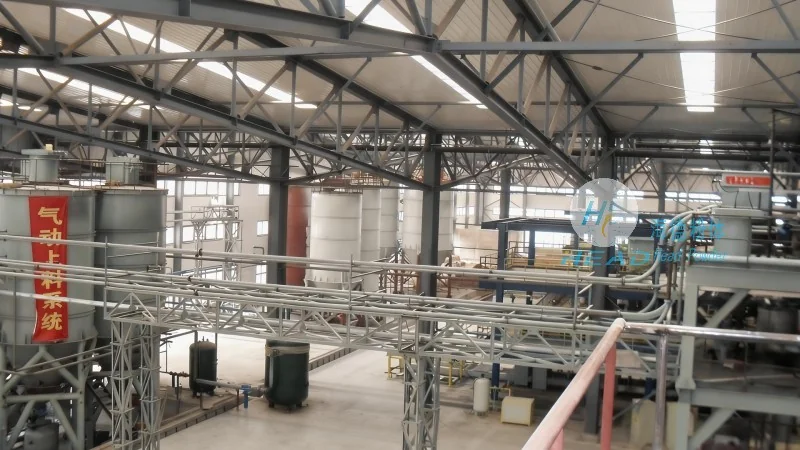
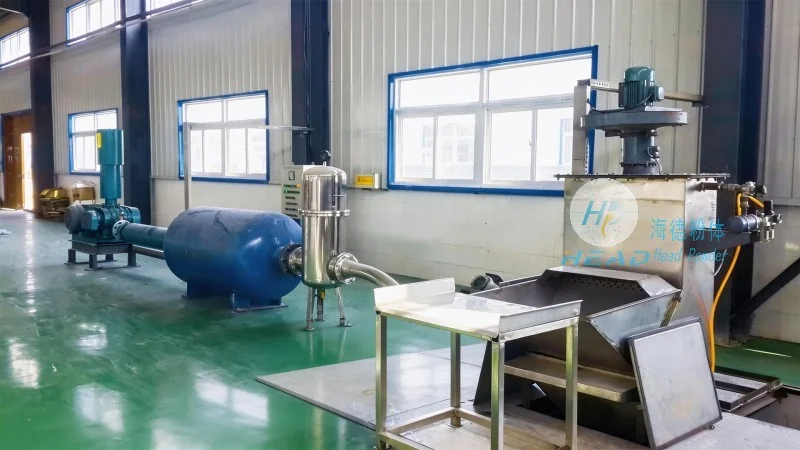
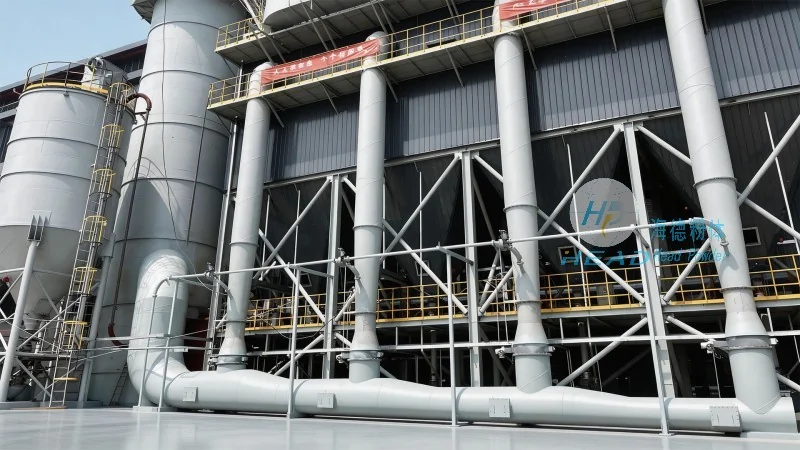
Understanding the Working Principle of Husk Material Conveying Systems
At the core of husk material conveying systems is a mechanism designed to transport bulk materials like husk from one location to another within a processing facility. The system typically operates through a combination of mechanical components that handle the material's movement, storage, and distribution. A common configuration includes a feeding mechanism that introduces the husk into the system, followed by a conveyor or transport device that moves the material along a designated path. The working principle often involves the use of gravity, mechanical force, or a combination of both to ensure smooth and continuous material flow. For instance, some systems employ screw conveyors or belt conveyors, which are widely used for their ability to handle bulk materials with minimal friction and wear. The feeding section may include hoppers or chutes that guide the husk into the conveyor, while the discharge section ensures the material is delivered to the intended destination, such as a storage silo or processing unit. The entire process is controlled by a system of sensors and controls that monitor the material flow rate, ensuring optimal performance and preventing blockages or overloading. This integrated approach allows for consistent and reliable operation, making husk material conveying systems a vital component in many industrial and agricultural settings. Specifically, screw conveyors utilize a rotating screw to push the husk forward, leveraging the friction between the screw and the material to achieve movement. Belt conveyors, on the other hand, use a continuous belt that transports the husk through rollers, providing a more flexible and adjustable path. Both types of conveyors can be customized with incline or decline angles to accommodate different layout requirements, enhancing the system's adaptability. The control systems may include variable frequency drives (VFDs) that adjust the speed of the conveyor based on the material load, optimizing energy use and preventing excessive strain on the machinery.




