

Operation Process and Working Principle of Aluminum Foil Material Handling Equipment
Shandong HeadPowder Engineering Co., Ltd., a leading manufacturer based in Shandong, China, specializes in the development and production of advanced material handling systems for aluminum foil processing. This article delves into the operation process and working principle of aluminum foil material handling equipment, providing a comprehensive overview of its components, operational sequences, and technical features that ensure efficient and reliable material transport.
Key Components of the Aluminum Foil Material Handling System
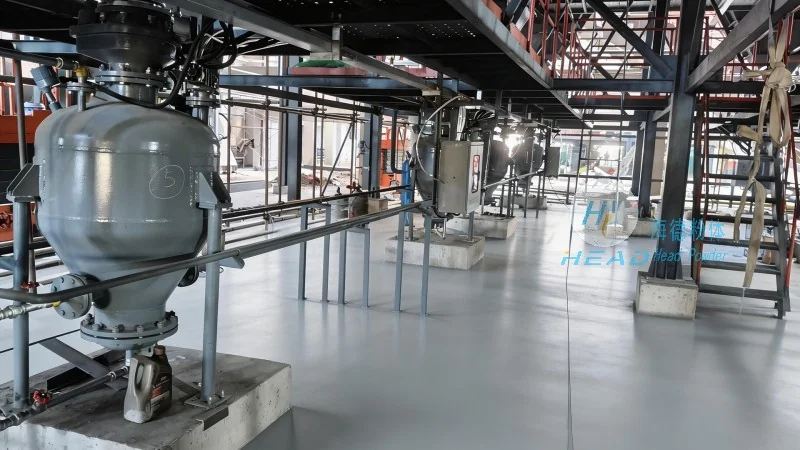
The aluminum foil material handling equipment comprises several critical components that collaborate to handle aluminum foil sheets effectively. These components include feeding mechanisms, conveyor systems, tension control devices, and guiding structures. Each component is engineered to address the unique characteristics of aluminum foil, such as its thinness, flexibility, and sensitivity to friction or improper handling. The feeding mechanism, often equipped with rollers or web guides, ensures consistent feeding speed and tension. The conveyor system, which may utilize roller or flat belt designs, maintains the foil's integrity during transport. Tension control devices adjust the foil's tension to prevent issues like wrinkling or tearing. Guiding structures, including idler rollers and guide rails, keep the foil aligned, minimizing misalignment risks.
Operation Process: Step-by-Step Sequence
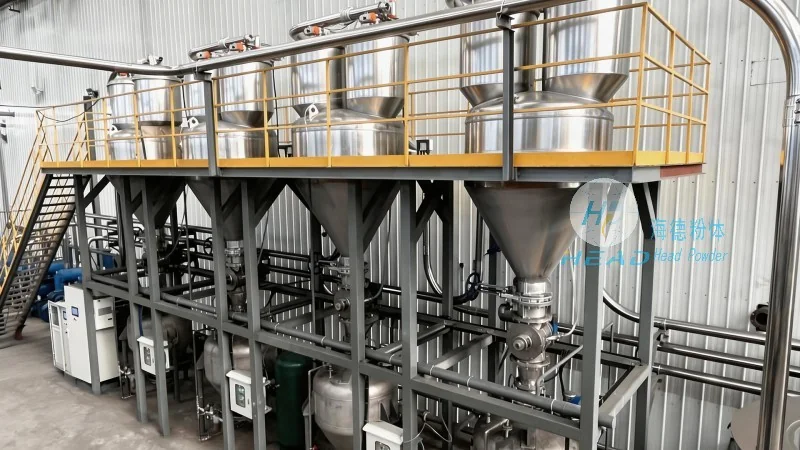
The operation process of the aluminum foil material handling equipment follows a systematic sequence to ensure optimal performance. The process initiates with the feeding of aluminum foil sheets into the system. The feeding mechanism feeds the foil at a controlled speed, ensuring uniformity. Subsequently, the foil is transferred to the conveyor system, which transports it through the processing line. Tension control devices monitor and adjust the foil's tension as it moves, maintaining consistent tension levels. Guiding structures ensure the foil stays on the correct path, preventing deviations. Finally, the processed aluminum foil is discharged from the system, ready for subsequent processing steps. This sequence is designed to minimize downtime and maximize throughput, making the equipment suitable for continuous production environments.
Working Principle: Mechanical and Control Integration
The working principle of the aluminum foil material handling equipment integrates mechanical components with advanced control systems. The mechanical parts, including rollers, belts, and tensioners, are driven by electric motors to facilitate the movement and handling of aluminum foil. These components are designed to handle the foil's thinness and flexibility without causing damage. The control systems, typically based on programmable logic controllers (PLCs), monitor the operation of mechanical components and adjust parameters in real-time. Sensors detect the foil's position and tension, providing feedback to the control system. This feedback allows for automatic adjustments, ensuring precise and consistent handling. The control system also incorporates safety features to protect equipment and operators from potential hazards. This integration of mechanical and control systems ensures the equipment operates reliably and efficiently.
Technical Advantages and Industry Applications
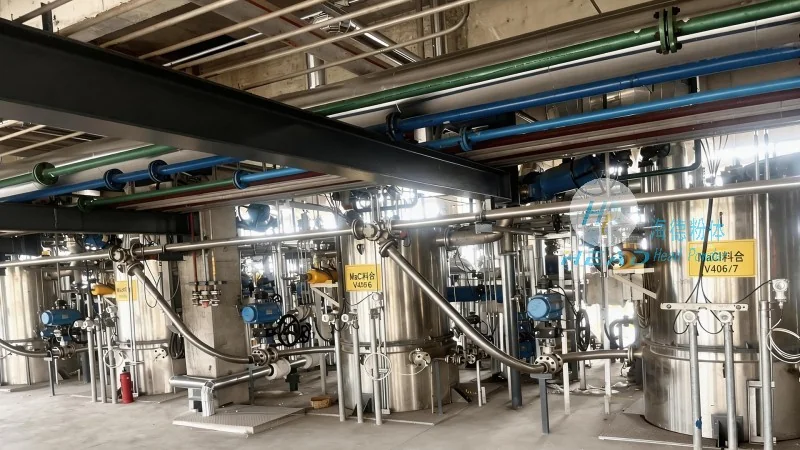
The aluminum foil material handling equipment from Shandong HeadPowder Engineering Co., Ltd. offers several technical advantages that make it ideal for aluminum foil processing industries. The equipment is capable of handling various aluminum foil types, including thin gauge foils used in packaging, electronics, and other applications. The consistent tension and speed control ensure that the foil is processed without damage, maintaining product quality. The system is designed for high efficiency, with minimal downtime and low maintenance requirements, making it suitable for continuous production lines. The advanced mechanical design and control systems provide durability and long-term performance, reducing operational costs for users. The equipment is widely used in manufacturing facilities that require reliable and efficient material transport for aluminum foil processing, contributing to overall production efficiency and quality control.