Barium carbonate is a widely used chemical compound in various industrial applications, and efficient handling of its powder form is crucial for maintaining production efficiency and safety. The barium carbonate powder handling system is a specialized setup designed to manage the storage, transportation, and processing of this material. This article will explore the fundamental aspects of such a system, focusing on its design principles and key components, as presented by Shandong HeadPowder Engineering Co., Ltd., a leading provider of engineering solutions for powder handling systems.
Introduction to Barium Carbonate Powder Handling Systems
Barium carbonate, with the chemical formula BaCO₃, is commonly utilized in industries like glass manufacturing, ceramics, and as a precursor in chemical synthesis. Handling this material in powder form requires systems that can ensure consistent flow, minimize dust generation, and maintain material integrity. The barium carbonate powder handling system typically integrates several components to achieve these objectives, including storage silos, conveyor systems, and dust control mechanisms. These systems are engineered to handle the specific properties of barium carbonate, such as its density, particle size distribution, and reactivity, ensuring safe and efficient operation.
Key Components of a Barium Carbonate Powder Handling System
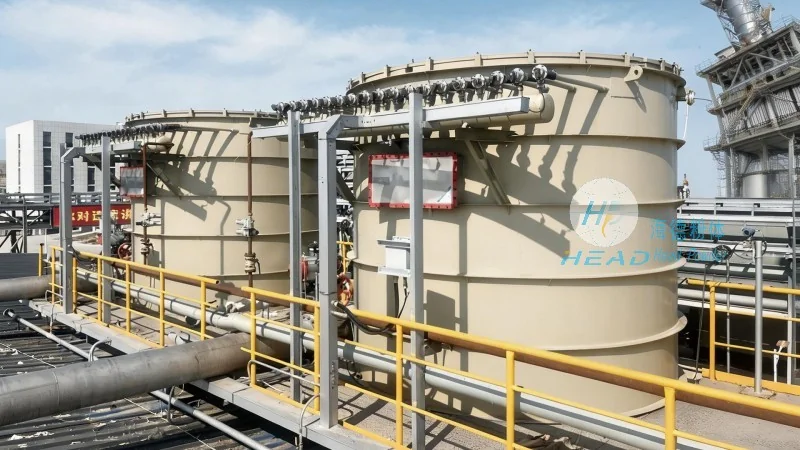
The design of a barium carbonate powder handling system involves several critical components that work in tandem to facilitate smooth material flow. The primary components include bulk storage silos, which are often constructed from materials resistant to chemical corrosion, such as stainless steel or lined carbon steel. These silos are designed to hold large quantities of barium carbonate powder while preventing moisture ingress and maintaining material quality. A key feature of these silos is the use of airtight sealing and level measurement devices to monitor the material inventory and prevent overfilling or underfilling.
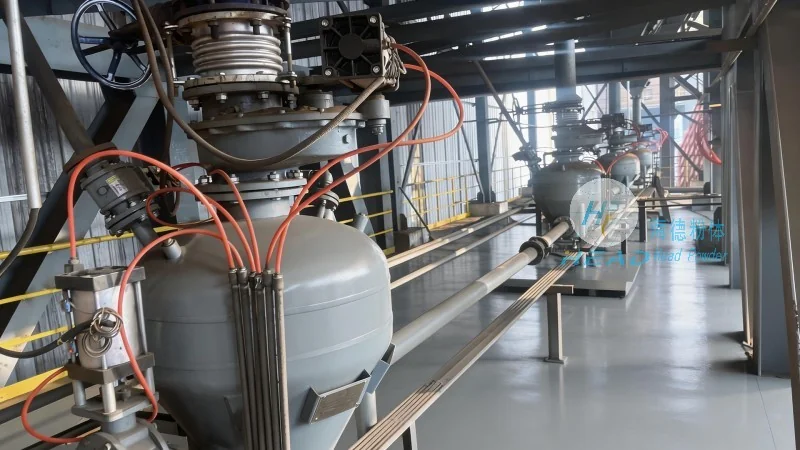
Conveyor systems are another essential part of the handling system, responsible for transporting the powder from the storage silos to processing equipment or packaging units. Various types of conveyors can be used, including screw conveyors, pneumatic conveyors, and bucket elevators, depending on the specific requirements of the application. Screw conveyors are commonly used for horizontal or slight incline transport, while pneumatic conveyors are ideal for long-distance or vertical transport due to their ability to handle fine powders without clogging. The choice of conveyor type is influenced by factors like the particle size, moisture content, and flow characteristics of the barium carbonate powder.
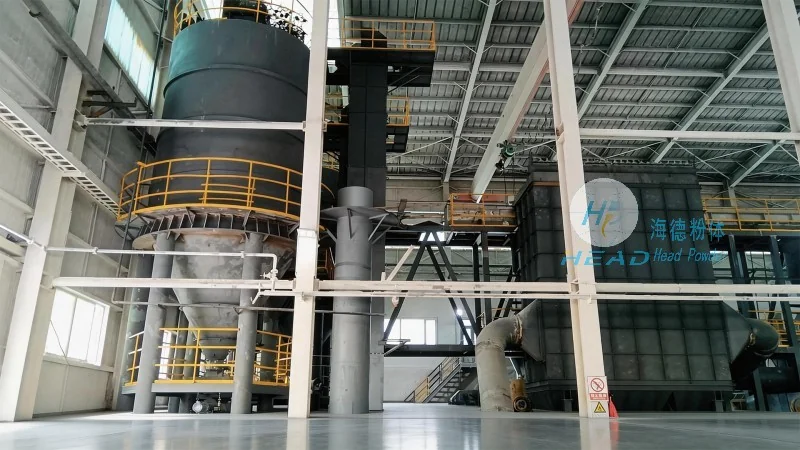
Dust control is a critical consideration in powder handling systems, as barium carbonate dust can pose health risks and affect the performance of downstream equipment. The system typically incorporates dust collection and filtration systems, such as baghouses or cartridge filters, to capture and remove airborne particles. These systems are designed to maintain a clean working environment and comply with occupational health and safety regulations. Additionally, the use of sealed and enclosed equipment, such as airtight hoppers and conveyor sections, helps minimize dust generation and improve overall system efficiency.
Design Principles for Optimal Performance
The design of a barium carbonate powder handling system follows several fundamental principles to ensure reliable operation and minimize operational risks. One of the primary principles is the minimization of material degradation and contamination. This is achieved through the use of materials that are compatible with barium carbonate, avoiding any components that could react with or absorb the powder. The system also incorporates features to prevent moisture absorption, as moisture can affect the flowability and reactivity of the powder.
Another key design principle is the optimization of material flow and pressure drop. The system is designed to maintain consistent flow rates and minimize pressure losses, which helps prevent blockages and ensure smooth operation. This involves selecting appropriate hopper designs, conveyor speeds, and piping configurations that are tailored to the specific properties of the barium carbonate powder. Properly designed hoppers with appropriate angles and discharge mechanisms are crucial to prevent arching or bridging, which can lead to flow interruptions.
Energy efficiency is also a consideration in the design of the handling system. The use of energy-efficient conveyor systems and dust control equipment helps reduce operational costs and environmental impact. Additionally, the system may incorporate automation and control systems to monitor and adjust parameters in real-time, ensuring optimal performance and reducing the need for manual intervention.
Applications and Industry Relevance
The barium carbonate powder handling system is widely used in various industries due to the versatility of barium carbonate. In the glass industry, for example, barium carbonate is used as a flux to lower the melting point of glass and improve its optical properties. The handling system ensures that the powder is delivered to the glass melting furnaces in a controlled manner, maintaining consistent quality and reducing downtime. In the ceramics industry, barium carbonate is used as a stabilizer in ceramic glazes, and the handling system facilitates its precise addition to the production process.
Furthermore, the system is used in chemical manufacturing, where barium carbonate is a precursor for other chemical compounds. The efficient handling of the powder ensures that the subsequent chemical reactions proceed smoothly and with high yields. The design principles discussed above are crucial for maintaining the quality and purity of the final products, which is essential for meeting industry standards and customer requirements.
Conclusion
In conclusion, the barium carbonate powder handling system is a critical component in industries that utilize this material. The design principles, including the use of appropriate storage and conveyor systems, effective dust control, and optimization of material flow, are essential for ensuring safe and efficient operation. The system is tailored to the specific properties of barium carbonate, addressing challenges such as dust generation, material degradation, and flow control. By adhering to these design principles, companies can enhance their production efficiency, reduce operational costs, and maintain compliance with safety and environmental regulations. The barium carbonate powder handling system, as exemplified by solutions from Shandong HeadPowder Engineering Co., Ltd., represents a reliable and effective approach to managing this important chemical compound.




