

What is a Sodium Phosphate Powder Conveying System? What Are Its Design Principles?
Sodium phosphate powder conveying systems are critical components in various industrial processes, particularly in the handling and transportation of sodium phosphate powders. These systems are engineered to efficiently move bulk materials like sodium phosphate from one location to another, ensuring smooth operations in manufacturing, processing, and distribution. The design of such systems is tailored to address the unique challenges associated with handling powders, including dust control, material flow optimization, and system reliability.
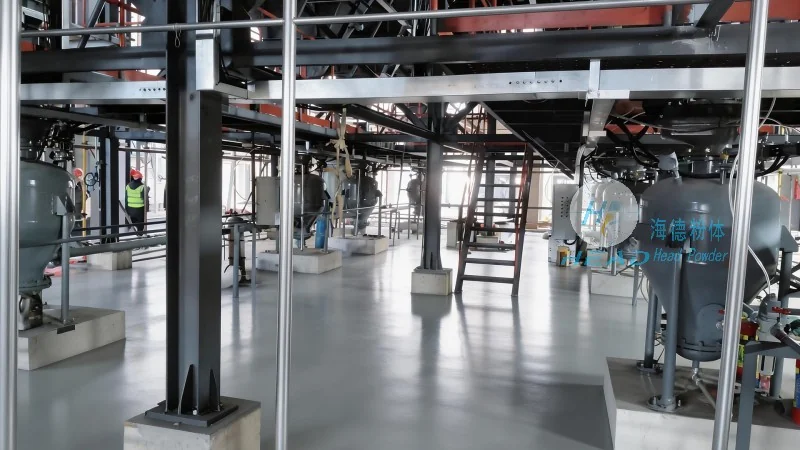
Key Components and Design Principles of the System
The core components of a sodium phosphate powder conveying system typically include feed hoppers, conveyor mechanisms (such as screw conveyors, pneumatic conveyors, or belt conveyors), control systems, and dust collection equipment. The design principles focus on maximizing material throughput while minimizing operational costs and ensuring compliance with safety and environmental regulations. For instance, the choice of conveyor type depends on factors like the powder's bulk density, flowability, and the distance it needs to be transported. Screw conveyors are often used for horizontal or slight incline transport due to their ability to handle a wide range of materials, while pneumatic conveyors are suitable for fine powders that require dust-free handling.
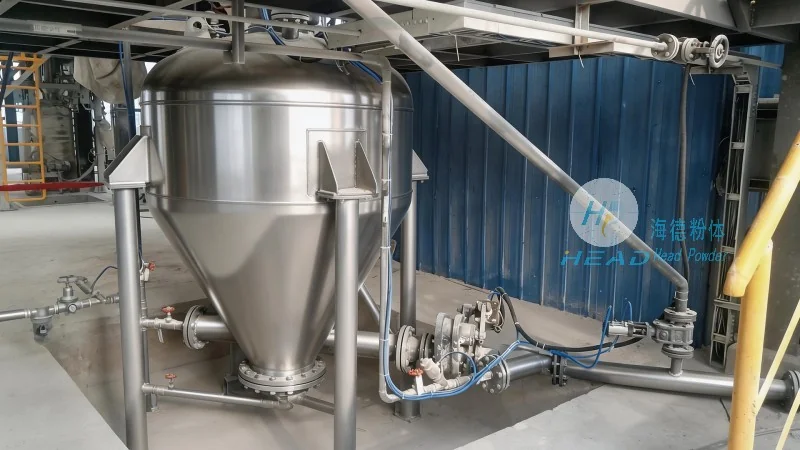
How the System Works: From Feed to Discharge
The operation of a sodium phosphate powder conveying system begins with the material being fed into a hopper. The hopper is designed to store the powder and provide a consistent feed rate to the conveyor. Once the material is in the hopper, it is transferred to the conveyor mechanism. In a screw conveyor system, a rotating screw pushes the powder forward, while in a pneumatic system, air pressure propels the powder through a pipeline. The system also incorporates control mechanisms to regulate the flow rate, ensuring that the material moves at an optimal speed without causing blockages or excessive wear on components. At the discharge end, the powder is collected in a receiving container, and the system may include a dust collection system to capture any airborne particles, maintaining a clean and safe working environment.
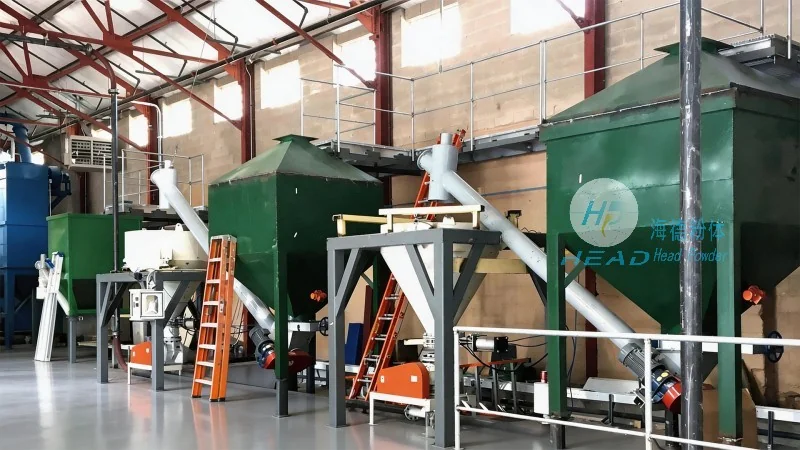
HeadPowder's Expertise in Designing and Manufacturing
Shandong HeadPowder Engineering Co., Ltd., a leading manufacturer in the field, specializes in the design, development, and production of advanced powder conveying systems. With years of experience in handling various powders, including sodium phosphate, the company leverages its expertise to create customized solutions that meet the specific needs of clients. The company's engineers work closely with clients to understand their operational requirements, material characteristics, and budget constraints, ensuring that the final system is both efficient and cost-effective. HeadPowder's commitment to quality and innovation is reflected in its use of high-grade materials, robust construction, and advanced control technologies, which contribute to the long-term reliability and performance of the conveying systems.
Benefits of Using a Well-Designed Sodium Phosphate Powder Conveying System
Implementing a properly designed sodium phosphate powder conveying system offers numerous benefits for industrial operations. Firstly, it enhances material handling efficiency by reducing downtime and increasing throughput. By ensuring smooth and continuous material flow, the system minimizes the risk of blockages and material loss, which can lead to significant cost savings. Secondly, the system improves safety by controlling dust and preventing material spillage, creating a healthier work environment. Additionally, the use of advanced control systems allows for precise regulation of the conveying process, enabling better inventory management and process control. Finally, the long-term reliability of a well-designed system reduces maintenance costs and extends the lifespan of the equipment, providing a favorable return on investment for businesses.
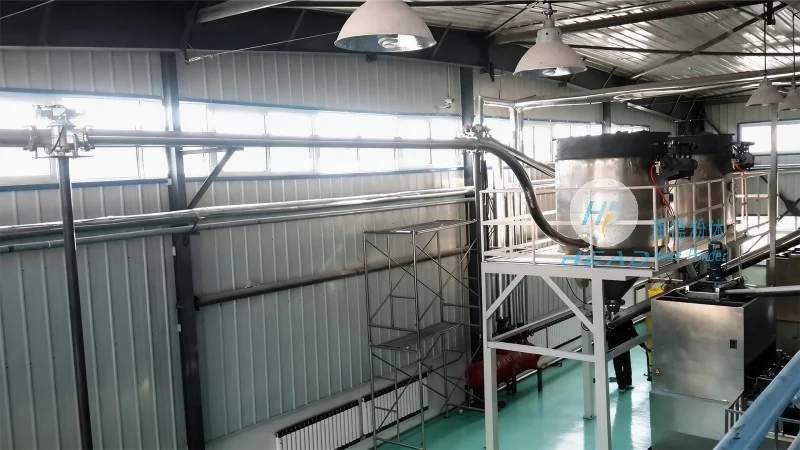
Conclusion: The Importance of a Reliable Conveying System
In conclusion, sodium phosphate powder conveying systems are essential for the efficient and safe handling of bulk materials in industrial settings. The design principles behind these systems are critical to their performance, focusing on material flow optimization, dust control, and system reliability. Companies like Shandong HeadPowder Engineering Co., Ltd. play a vital role in providing customized solutions that meet the unique demands of their clients, ensuring that operations run smoothly and efficiently. By investing in a well-designed conveying system, businesses can improve productivity, reduce costs, and maintain a safe working environment, ultimately contributing to their long-term success in the industry.