For industries dealing with calcium chloride powder, efficient and reliable material handling is crucial. A calcium chloride powder conveying system is a specialized setup designed to transport this chemical efficiently from one location to another. This system is essential for maintaining production flow and ensuring safety in handling the material. The design of such a system involves several key components and principles that work together to achieve optimal performance.
Key Components of a Calcium Chloride Powder Conveying System
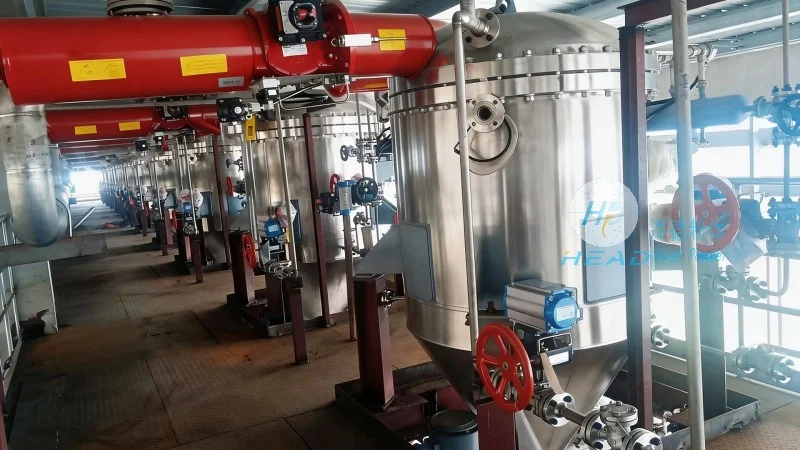
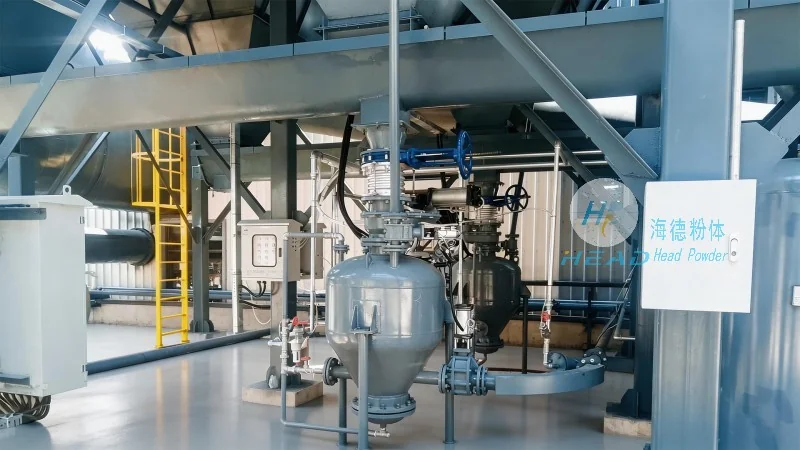
The core components of a calcium chloride powder conveying system typically include a hopper for material storage, a feeder to control the flow rate, a conveyor mechanism (such as a screw conveyor or pneumatic conveyor), and a dust collection system. The hopper is designed to hold the bulk of the calcium chloride powder, ensuring a consistent supply to the feeder. The feeder, often a rotary valve or a vibratory feeder, regulates the amount of material released into the conveyor. The conveyor itself is the heart of the system, responsible for moving the powder through the pipeline. Depending on the application, the conveyor may be a screw conveyor for low to medium flow rates or a pneumatic conveyor for higher volumes and longer distances. A dust collection system is also critical to maintain air quality and prevent dust accumulation, which can be hazardous in industrial settings.
Design Principles for Efficient Powder Handling
The design principles of a calcium chloride powder conveying system focus on several critical factors to ensure efficiency, safety, and durability. First, the system must be designed to handle the specific properties of calcium chloride powder, which can vary in terms of particle size, moisture content, and flowability. Proper material selection for the hopper and conveyor components is essential to prevent corrosion or wear caused by the chemical properties of the powder. For example, materials like stainless steel or specialized alloys are often used to withstand the corrosive nature of calcium chloride. Second, the system must minimize material degradation and segregation. This is achieved through gentle handling and proper flow control to prevent agglomeration or separation of particles. The design of the hopper and feeder is crucial here, as they must ensure a uniform flow of material without causing excessive stress or friction. Third, the system must be equipped with safety features to protect operators and the environment. This includes dust suppression systems, emergency shut-off valves, and proper ventilation to maintain a safe working environment. Additionally, the system should be designed for easy maintenance and cleaning to prevent material buildup and ensure long-term operation.
Application-Specific Considerations
The design of a calcium chloride powder conveying system may vary based on the specific application and the scale of operation. For example, in a small-scale industrial setting, a simple screw conveyor system might be sufficient for transporting the powder from a storage silo to a processing unit. However, for large-scale operations, a more complex system involving multiple conveyors, storage silos, and automated controls may be required. The choice of conveyor type also depends on the distance and elevation changes involved. Pneumatic conveyors are often preferred for long-distance or high-elevation transport due to their ability to handle large volumes and overcome significant vertical or horizontal distances. In contrast, screw conveyors are more suitable for shorter distances and lower flow rates, as they are more cost-effective and easier to install. The system must also be integrated with other processing equipment, such as mixers or reactors, to ensure a smooth production flow. This integration requires careful planning to ensure that the conveying system can handle the required flow rates and pressure differentials without causing bottlenecks or disruptions.
Maintenance and Operational Tips
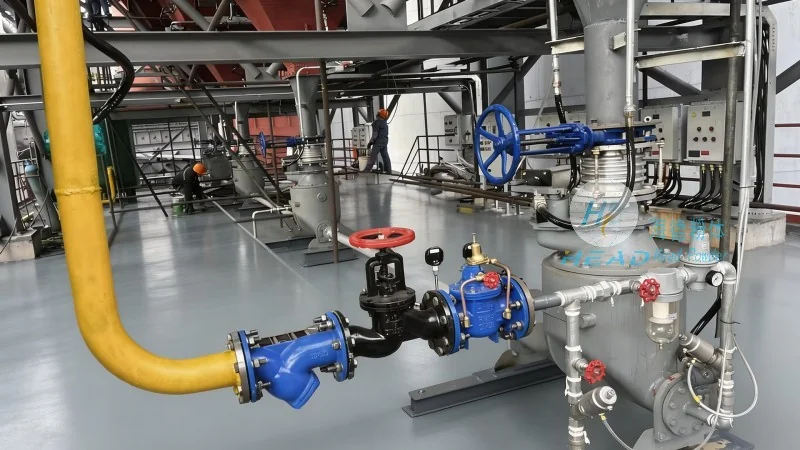
Proper maintenance is essential to ensure the longevity and efficiency of a calcium chloride powder conveying system. Regular inspections of the hopper, feeder, and conveyor components are necessary to check for wear and tear, corrosion, or blockages. The hopper should be cleaned regularly to prevent material buildup, which can affect the flow rate and cause uneven material release. The conveyor mechanism should be lubricated as per the manufacturer's recommendations to ensure smooth operation and prevent excessive friction. Additionally, the dust collection system should be checked regularly to ensure it is functioning properly and capturing all dust particles. This includes cleaning or replacing filters as needed to maintain air quality and prevent system failure. Operational tips also include monitoring the system's performance metrics, such as flow rate and pressure, to identify any issues early on. By following these maintenance practices, operators can ensure that the system operates efficiently and safely, minimizing downtime and maximizing productivity.
Conclusion
A calcium chloride powder conveying system is a critical component in industries that handle this chemical, providing an efficient and reliable method for material transport. The design of such a system involves careful consideration of the material's properties, the required flow rates, and the operational environment. By incorporating the right components and following proper design principles, a conveying system can ensure smooth production flow, maintain safety standards, and reduce operational costs. As a leading provider in this field, Shandong HeadPowder Engineering Co., Ltd. specializes in designing and manufacturing customized conveying systems tailored to the specific needs of their clients. With their expertise and commitment to quality, they help industries optimize their material handling processes and enhance overall productivity.




