Wheat material handling equipment is integral to modern agricultural and food processing operations, facilitating the efficient transport, storage, and management of wheat from the field to the processing plant. Understanding the operation process and working principle of such equipment is crucial for optimizing workflow, ensuring product quality, and maintaining operational reliability. This article provides a detailed overview of the key aspects of wheat material handling equipment, including its operation process, working principles, and the importance of proper maintenance.
Overview of Wheat Material Handling Equipment
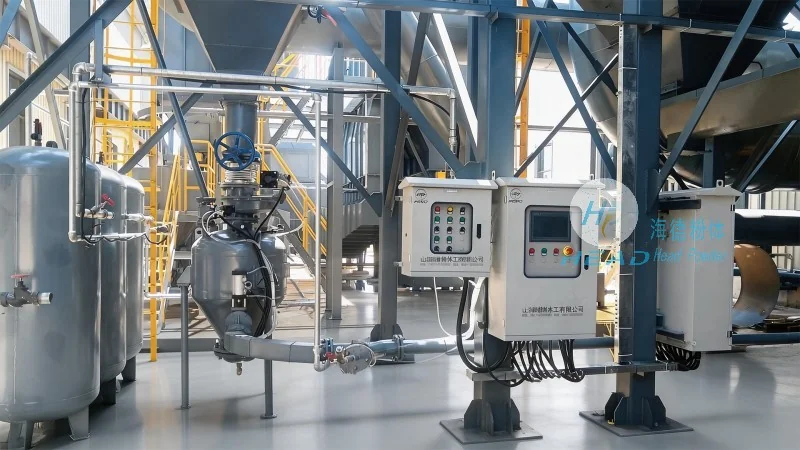
Wheat material handling equipment encompasses a range of machinery and systems engineered to handle bulk wheat. These systems typically include hopper feeders, belt conveyors, bucket elevators, storage silos, and pneumatic conveying systems. Each component plays a specific role in the overall workflow, working together to move wheat through various stages of processing. The equipment is designed to minimize material loss, prevent contamination, and reduce damage during transport, ensuring that the final product meets industry standards.
The Operation Process of Wheat Material Handling Equipment
The operation process of wheat material handling equipment begins with the reception of raw wheat at the processing facility. The first step involves transferring wheat from storage bins or delivery trucks into the primary conveyor system using hopper feeders or gravity chutes. This initial stage ensures a controlled and uniform flow of material into the processing line. Following reception, the wheat may undergo a cleaning or screening process to remove impurities such as stones, dust, or foreign materials. This step is critical for maintaining product purity and meeting quality regulations.
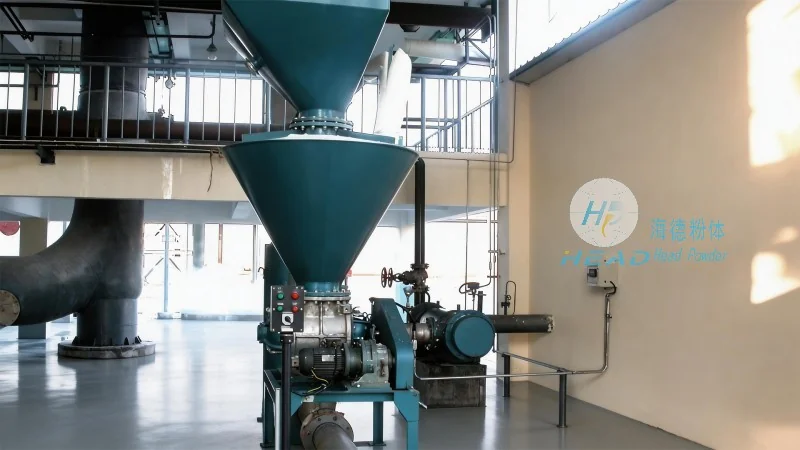
After cleaning, the wheat proceeds to the conveying phase, where it is transported to higher levels or different sections of the processing plant. Belt conveyors and bucket elevators are commonly used for this purpose. Belt conveyors move wheat horizontally or at a slight incline, leveraging friction between the belt and the material to ensure consistent transport. Bucket elevators, on the other hand, use rotating buckets attached to a vertical shaft to lift wheat vertically, utilizing centrifugal force to discharge the material at the top of the elevator. The efficiency of these conveying mechanisms directly impacts the overall throughput of the wheat handling operation.
Once the wheat reaches the desired elevation or processing area, it may be transferred to storage silos or directly to milling equipment. Storage silos serve as buffers, allowing for continuous processing even when raw material delivery is intermittent. These silos are equipped with aeration systems to maintain grain quality by controlling moisture levels and preventing spoilage. The final stage of the operation involves the discharge of wheat from the silos or conveyor systems into processing machinery, such as grinders or separators, where it undergoes further processing into flour, bran, or other byproducts.
Working Principle of Wheat Material Handling Equipment
The working principle of wheat material handling equipment is based on mechanical and pneumatic systems that facilitate the movement and management of bulk materials. The primary mechanism involves the use of gravity, mechanical force, or air pressure to transport wheat from one point to another. Hopper feeders utilize gravity to feed wheat into conveyor belts, ensuring a consistent flow rate. Belt conveyors rely on the friction between the belt and the material to move wheat horizontally or at a slight angle. Bucket elevators, conversely, use rotating buckets attached to a vertical shaft to lift wheat vertically, leveraging centrifugal force to discharge the material at the top of the elevator.
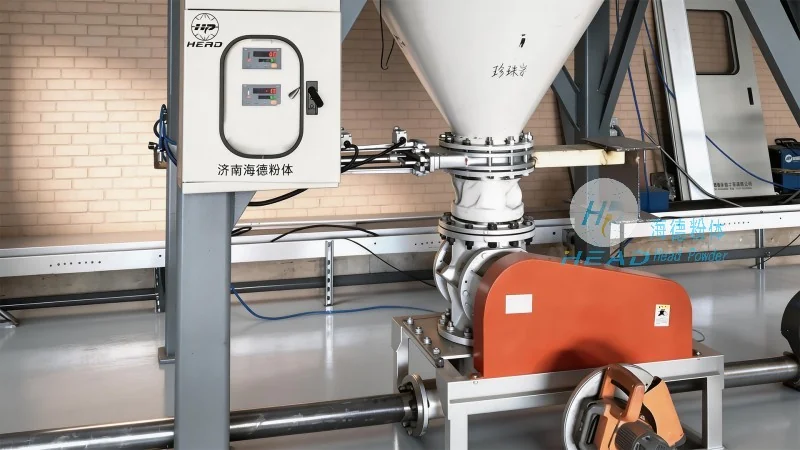
Pneumatic systems, such as airslides or pneumatic conveyors, use compressed air to transport wheat through a network of pipes. This method is particularly effective for handling fine or dusty materials, as it minimizes material degradation and reduces the risk of blockages. The air pressure in the system is carefully controlled to maintain a consistent flow rate and prevent material buildup in the pipes. Additionally, the use of rotary valves and airlocks ensures that the wheat is discharged smoothly and without loss.
Another key aspect of the working principle is the integration of control systems that monitor and regulate the operation of the equipment. Modern wheat handling systems are equipped with sensors and automation controls that track material levels, conveyor speeds, and system performance. These controls allow for real-time adjustments to maintain optimal operation, such as adjusting conveyor speed based on the volume of incoming wheat or activating cleaning mechanisms when impurities are detected. The integration of these control systems enhances the efficiency and reliability of the wheat handling process.
Importance of Proper Maintenance and Operation
Proper maintenance and operation of wheat material handling equipment are critical to ensure long-term performance and minimize downtime. Regular inspection and maintenance of components such as belts, buckets, and bearings are essential to prevent mechanical failures and maintain efficiency. For example, belt tension must be checked regularly to avoid slippage or excessive wear, while bucket elevators require periodic lubrication to ensure smooth rotation. Additionally, cleaning and sanitation procedures must be followed to prevent the buildup of dust and contaminants, which can affect product quality and equipment longevity.
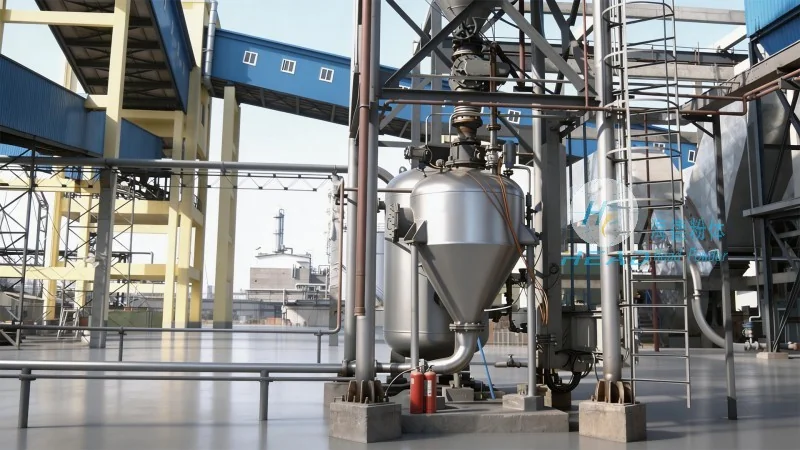
The expertise of trained operators is also vital in the effective operation of wheat handling equipment. Operators must be familiar with the specific characteristics of the equipment, including its capacity, speed, and control systems. They should be able to identify and address operational issues promptly, such as adjusting conveyor speeds to match the incoming material flow or troubleshooting blockages in the system. Proper training and adherence to safety protocols further enhance the reliability and safety of the wheat handling process.
Conclusion
In conclusion, wheat material handling equipment is a sophisticated system that combines mechanical, pneumatic, and control technologies to efficiently transport and manage wheat through various stages of processing. The operation process involves a series of steps, from initial reception and cleaning to conveying and storage, each designed to optimize workflow and product quality. The working principle of these systems relies on the effective use of gravity, mechanical force, and air pressure to move bulk materials, with advanced control systems ensuring precise operation. Proper maintenance and skilled operation are essential to maximize the efficiency and longevity of the equipment. As a leading provider in this field, Shandong HeadPowder Engineering Co., Ltd. specializes in designing and manufacturing high-quality wheat material handling equipment tailored to the specific needs of the agricultural and food processing industries, ensuring reliable and efficient wheat handling solutions for clients worldwide.




