

Working Principle and Features of Malt Material Handling Systems
For businesses involved in the malt production industry, efficient material handling is crucial for maintaining production efficiency and product quality. Malt material handling systems are specialized equipment designed to transport, store, and manage malt grains and related materials throughout the production process. These systems play a vital role in ensuring smooth operations from raw material reception to final product packaging. In this article, we will explore the working principles and key features of such systems, providing insights into how they enhance operational performance.
The Working Principle of Malt Material Handling Systems
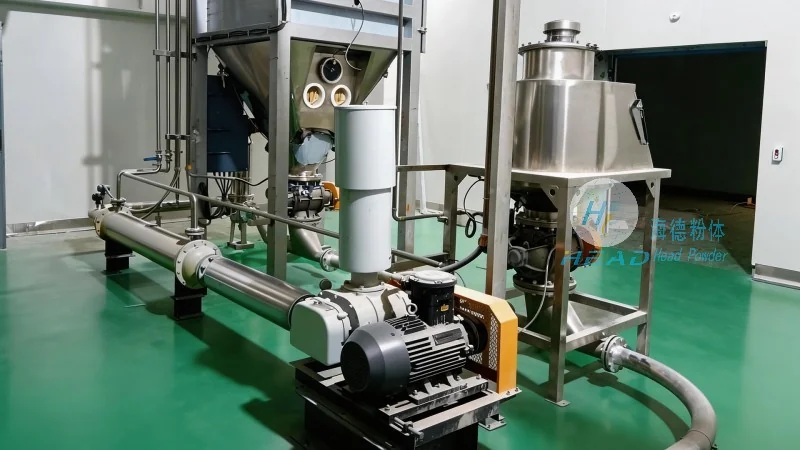
Malt material handling systems typically operate based on a combination of mechanical and automated processes. The core components include feeders, conveyors, elevators, and storage silos, each working in tandem to move malt from one stage of production to the next. The system begins with the reception of raw malt grains, which are often delivered in bulk containers. A receiving hopper or bin is used to collect the malt, and then a feeder mechanism, such as a rotary valve or screw conveyor, regulates the flow of material into the primary conveyor system. This initial stage ensures a consistent and controlled feed rate, preventing overloading or underloading of downstream equipment.
The primary conveyor system, commonly a belt conveyor or chain conveyor, transports the malt horizontally or at an incline. The design of the conveyor belt, including its material and tension, is critical for handling the abrasive nature of malt grains without causing excessive wear. Some systems may incorporate a series of intermediate elevators or vertical conveyors to move the malt between different levels of the facility, such as from the ground floor to a storage silo or processing area. The vertical conveyors often use bucket elevators or pneumatic systems to lift the malt efficiently, minimizing energy consumption and ensuring smooth operation.
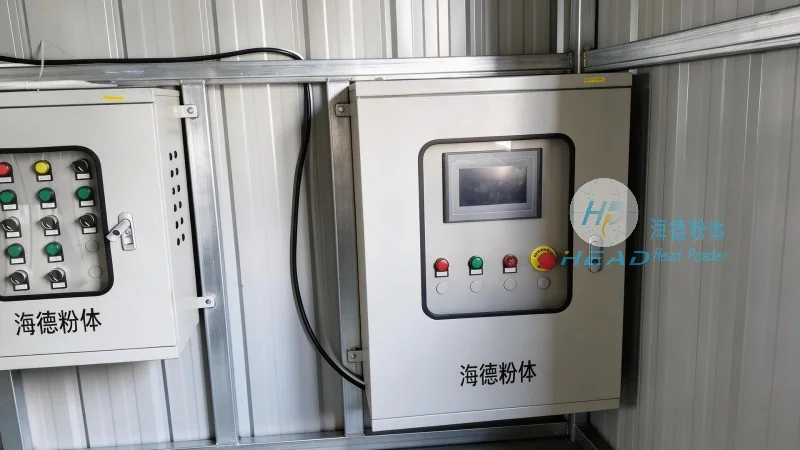
Once the malt reaches the storage silo, it is held in bulk for later use. The silo is equipped with a discharge mechanism, such as a rotary valve or a bottom outlet, which allows controlled release of the malt into the processing equipment. This controlled discharge prevents material buildup and ensures a steady supply to the next stage of the production line. The entire system is typically controlled by a programmable logic controller (PLC), which monitors the flow rates, conveyor speeds, and silo levels, adjusting operations as needed to maintain optimal performance.
Key Features of Malt Material Handling Systems
Efficiency and reliability are paramount in malt material handling systems, and several key features contribute to their effectiveness. First, the systems are designed with durability in mind, as malt grains can be abrasive and may contain moisture, which can lead to wear on equipment components. High-quality materials, such as stainless steel or corrosion-resistant alloys, are used for conveyor belts, hoppers, and silos to ensure long-term performance and minimal maintenance. Additionally, the systems incorporate advanced control technologies, including sensors and monitoring systems, to detect and address issues such as blockages, overloads, or material buildup in real-time. This proactive approach helps prevent downtime and ensures consistent production output.
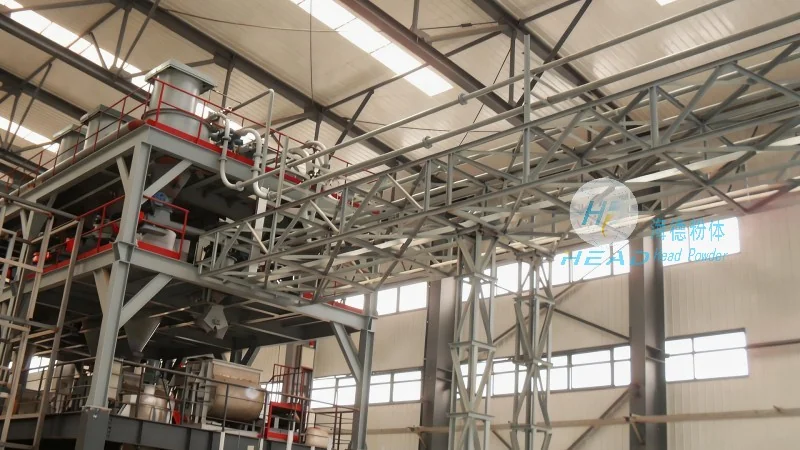
Another important feature is the flexibility of the system, which allows for adaptation to varying production volumes and different types of malt. The conveyor speed and feed rates can be adjusted to accommodate changes in demand, while the modular design enables easy integration of additional components, such as additional storage silos or processing equipment. This flexibility is particularly valuable for businesses that may experience fluctuations in production or need to expand their operations over time.
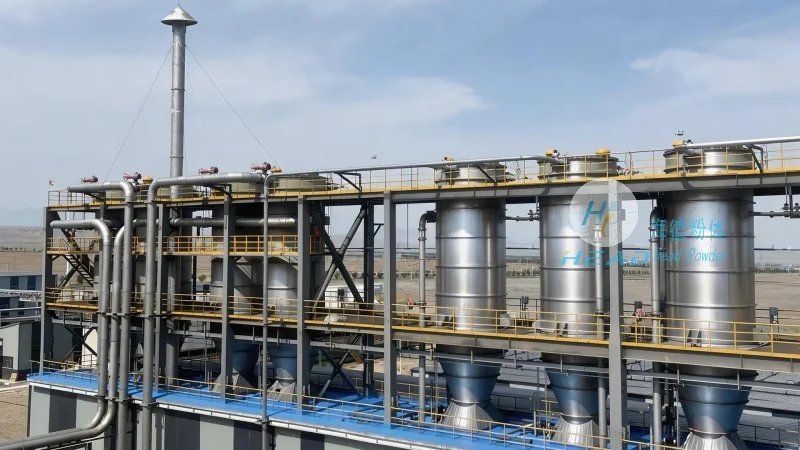
Hygiene and safety are also critical considerations in malt handling, especially in food processing applications. The systems are designed with smooth, easy-to-clean surfaces to prevent the accumulation of contaminants and to facilitate regular cleaning and sanitation. Additionally, safety features, such as emergency stop buttons, safety guards on moving parts, and automated shut-off mechanisms, are incorporated to protect operators and prevent accidents. These features align with industry standards and regulations, ensuring compliance and maintaining product quality.
About Shandong HeadPowder Engineering Co., Ltd.
Shandong HeadPowder Engineering Co., Ltd., commonly known as headpowder, is a leading manufacturer of specialized material handling systems for the malt and food processing industries. With a strong focus on innovation and customer satisfaction, the company has established itself as a trusted partner for businesses seeking reliable and efficient solutions for their material handling needs. HeadPowder's expertise lies in designing and manufacturing systems that meet the unique requirements of malt production, ensuring optimal performance and durability. The company's commitment to quality and customer service has earned it a reputation for excellence in the industry.