Positive electrode material powder conveying lines are specialized systems engineered to handle and transport fine powders used in the production of lithium-ion batteries. These materials, crucial for the performance of battery cells, require precise handling to ensure consistent quality and efficiency in manufacturing processes. The design of such conveying lines is critical, as it directly impacts the overall productivity and reliability of battery production lines. Shandong HeadPowder Engineering Co., Ltd., a leading manufacturer based in China, specializes in developing and supplying high-quality powder conveying systems tailored to the needs of the battery industry.
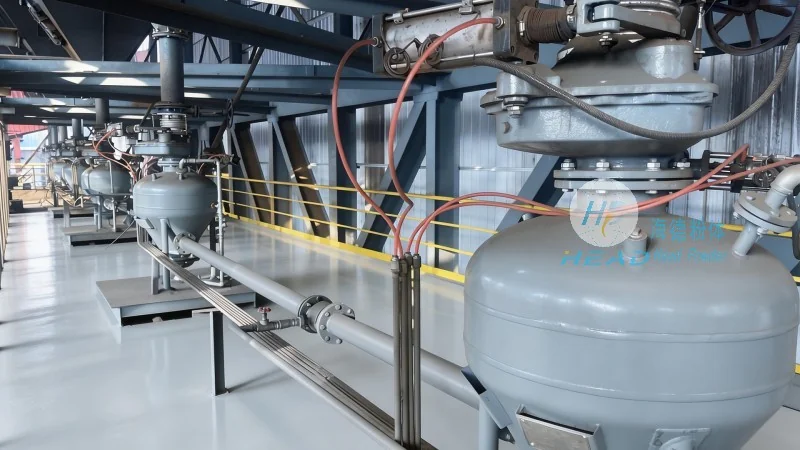
Understanding the Core Function of Positive Electrode Material Powder Conveying Lines
At the heart of battery manufacturing, positive electrode materials like lithium cobalt oxide (LiCoO₂), lithium nickel manganese cobalt oxide (NMC), and lithium iron phosphate (LFP) are delivered through powder conveying systems. These systems must efficiently transport powders from storage silos to processing equipment, such as mixers, extruders, and coating machines, while maintaining particle integrity and preventing contamination. The primary goal is to ensure a stable and continuous flow of material, which is essential for maintaining production line throughput and product quality.
The Design Principles Behind Positive Electrode Material Powder Conveying Lines
The design of positive electrode material powder conveying lines adheres to several key principles to meet the demanding requirements of battery production. Firstly, the system must prioritize material handling efficiency, minimizing downtime and maximizing throughput. This involves selecting appropriate conveying technologies, such as pneumatic conveying or mechanical screw conveyors, based on the specific properties of the powder (e.g., particle size, moisture content, and flowability). Secondly, the design emphasizes dust control and environmental safety. Since many positive electrode materials are fine powders that can be hazardous if inhaled or cause dust explosions, the system incorporates sealed containers, filtration systems, and explosion-proof components to mitigate risks. Thirdly, the design focuses on scalability and adaptability. As battery production scales up, the conveying line must be able to handle increased material volumes without compromising performance. This often involves modular design, allowing for easy expansion or reconfiguration to accommodate new production requirements. Finally, the design integrates advanced control systems to monitor and regulate the conveying process in real-time. Sensors and control units track flow rates, pressure, and other parameters, enabling operators to adjust the system dynamically and respond to changes in production demands.
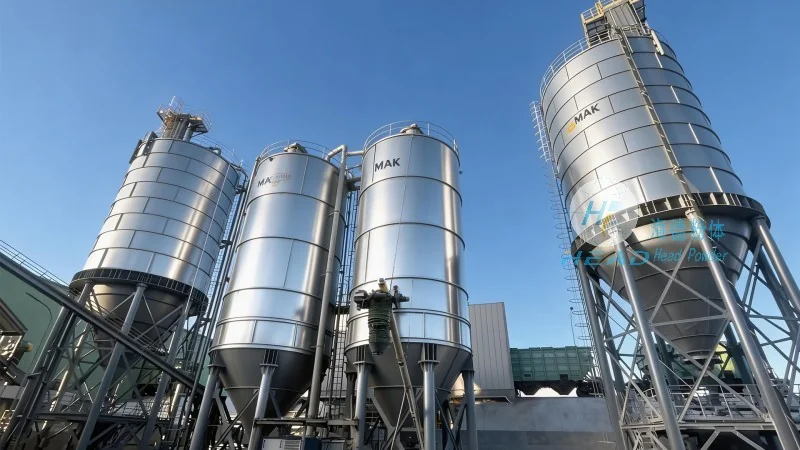
Key Components and Their Roles in the Conveying Line
The positive electrode material powder conveying line consists of several interconnected components, each playing a vital role in the overall operation. The primary components include material storage silos, conveying equipment (e.g., pneumatic or screw conveyors), feeding devices, and control systems. The storage silos are typically made of stainless steel or other corrosion-resistant materials to prevent contamination and ensure material stability. The conveying equipment is designed to handle the specific characteristics of the powder, such as particle size and moisture content. For example, pneumatic conveying systems use air to transport powders, which is effective for fine powders but requires careful management of air pressure and flow rates to avoid clogging. Mechanical screw conveyors, on the other hand, use rotating screws to move powders, which is suitable for bulkier materials but may cause more wear and tear on the equipment. The feeding devices, such as rotary valves or star feeders, regulate the flow of material from the storage silos to the conveying equipment, ensuring a consistent and controlled feed rate. The control systems, equipped with sensors and programmable logic controllers (PLCs), monitor and adjust the entire process to maintain optimal performance.
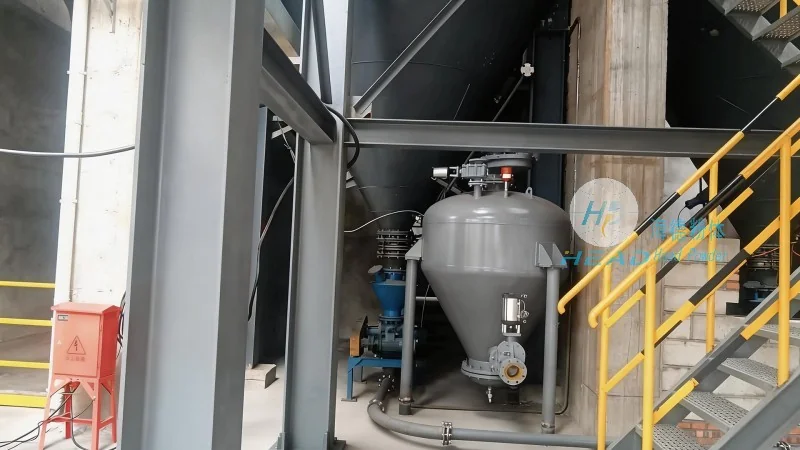
How the Design Principles Translate to Real-World Applications
The design principles discussed above are not merely theoretical concepts but are applied in practical scenarios to enhance the efficiency and reliability of battery production. For instance, in a lithium-ion battery manufacturing plant, a positive electrode material powder conveying line might be designed to handle 500 kilograms of NMC powder per hour. The system would use a combination of pneumatic and screw conveyors to transport the powder from a storage silo to a coating machine, with the control system monitoring the flow rate and pressure to ensure consistent delivery. The dust control measures, such as sealed containers and filtration systems, would prevent any powder from escaping into the environment, maintaining a safe working environment for operators. The scalability of the system would allow the plant to expand its production capacity by adding more storage silos or increasing the capacity of the conveying equipment as demand grows. This real-world application demonstrates how the design principles are integrated to create a robust and efficient system that meets the demands of modern battery manufacturing.
Conclusion: The Importance of Proper Design in Positive Electrode Material Powder Conveying Lines
In conclusion, the design of positive electrode material powder conveying lines is a critical aspect of battery production, directly impacting the quality, efficiency, and safety of the manufacturing process. By adhering to key design principles such as material handling efficiency, dust control, scalability, and advanced control systems, manufacturers can ensure that their conveying lines operate reliably and effectively. The components of the system, including storage silos, conveying equipment, feeding devices, and control systems, work in harmony to deliver positive electrode materials to processing equipment with precision and consistency. As the battery industry continues to grow and evolve, the importance of well-designed powder conveying lines will only increase, making them an essential component of modern battery production facilities.




