

What is a Sodium Chloride Powder Conveying Line? And What Are Its Design Principles?
Understanding the Sodium Chloride Powder Conveying Line and Its Design Principles
Introduction to Sodium Chloride Powder Conveying Systems
A sodium chloride powder conveying line is a specialized industrial system engineered to transport sodium chloride (commonly known as table salt) in its powdered form from one location to another. This type of equipment is crucial in various industries, including chemical manufacturing, food processing, and pharmaceutical production, where the efficient and safe handling of bulk powders is essential. The design of such a conveying line must address several key factors to ensure optimal performance, reliability, and safety. In this article, we will explore the fundamental components, operational principles, and design considerations that define a sodium chloride powder conveying line.
Key Components of a Sodium Chloride Powder Conveying Line
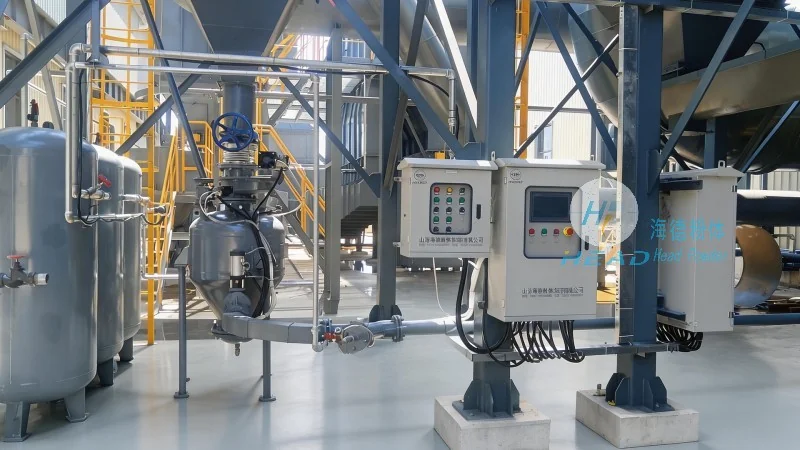
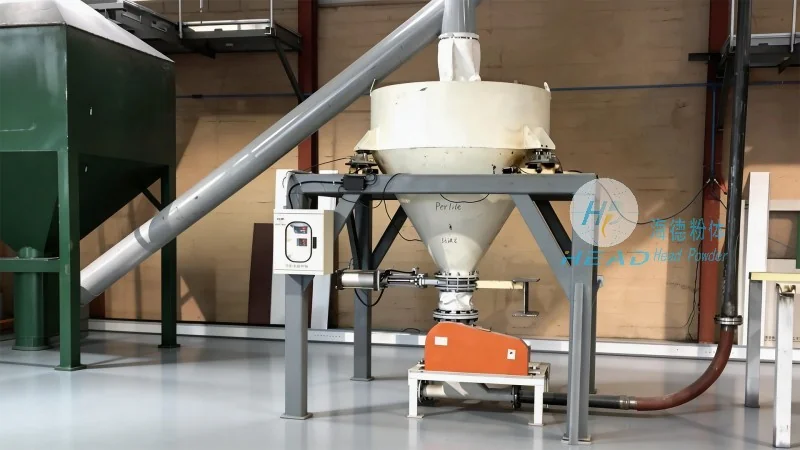
The core components of a sodium chloride powder conveying line typically include a hopper for material storage, a feeder to control the flow rate, a conveyor system (such as a screw conveyor, pneumatic conveyor, or belt conveyor), and a receiving hopper or storage silo. The hopper is designed to hold the bulk sodium chloride powder and often features a conical or rectangular shape to facilitate uniform material discharge. The feeder, which may be a rotary valve, star feeder, or vibratory feeder, regulates the flow of powder from the hopper to the conveyor, preventing overloading and ensuring consistent feed rates. The conveyor system is the heart of the line, responsible for transporting the powder through the system. For sodium chloride, which is non-abrasive and relatively light, a screw conveyor or pneumatic conveyor is commonly used. Screw conveyors use rotating screws to move the powder along a tube or trough, while pneumatic conveyors utilize air pressure to transport the powder in a pipeline. The receiving hopper or silo collects the powder at the end of the conveying line, providing a buffer for downstream processing or storage.
Design Principles for Efficient Sodium Chloride Powder Conveying
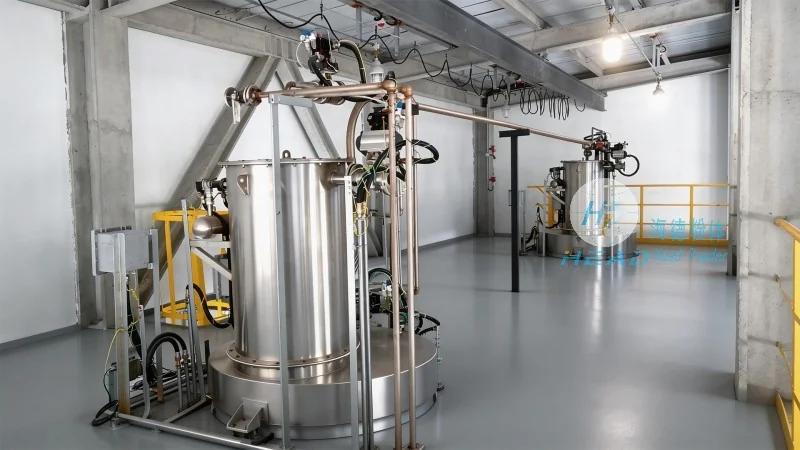
The design of a sodium chloride powder conveying line is guided by several critical principles to maximize efficiency, minimize material loss, and ensure operational safety. One of the primary design considerations is the prevention of material buildup and clogging, which can occur due to the hygroscopic nature of sodium chloride. The system must incorporate features such as anti-static measures and proper venting to prevent moisture absorption and material agglomeration. Additionally, the design must address the need for gentle handling to avoid particle degradation or segregation. Sodium chloride particles are relatively uniform in size, but improper handling can lead to size separation, affecting downstream processes. The conveying line is also designed to minimize dust generation, as sodium chloride is a fine powder that can create respiratory hazards if inhaled. Dust control measures, such as sealing the system and using dust collection equipment, are essential components of the design. Another key principle is the integration of control systems to monitor and regulate the flow of material. Modern conveying lines often include sensors to detect flow rates, pressure, and temperature, allowing for real-time adjustments and preventing system failures. The design must also consider the space constraints of the facility and the need for easy maintenance and cleaning. The components are typically arranged in a linear or loop configuration to optimize the use of available space and facilitate maintenance access.
Operational Considerations and Safety Measures
Operational considerations for a sodium chloride powder conveying line include the need for regular maintenance and cleaning to prevent material buildup and ensure consistent performance. The system should be designed with easy access to components for inspection and repair. Safety measures are paramount in handling sodium chloride, as it is a non-toxic but fine powder that can cause respiratory irritation if inhaled in large quantities. The conveying line must be equipped with dust collection systems and proper ventilation to maintain a safe working environment. Additionally, the system should include emergency stop mechanisms and pressure relief valves to prevent over-pressurization and potential accidents. The design must also comply with relevant industrial standards and regulations, such as those from the Occupational Safety and Health Administration (OSHA) or the American Society of Mechanical Engineers (ASME), to ensure safety and reliability.
Applications and Benefits of Sodium Chloride Powder Conveying Lines
Sodium chloride powder conveying lines are widely used in various industries due to their ability to efficiently handle bulk materials. In the chemical industry, they are used to transport sodium chloride for the production of other chemicals, such as sodium hydroxide or chlorine. In the food processing industry, they are used to transport table salt for use in food production and packaging. In the pharmaceutical industry, they are used to transport sodium chloride for the production of medications and supplements. The benefits of using a specialized conveying line include improved efficiency, reduced labor costs, and enhanced safety compared to manual handling methods. The system can operate continuously, reducing downtime and increasing productivity. Additionally, the controlled flow of material minimizes waste and ensures consistent quality of the final product. The design of the conveying line can be customized to meet the specific needs of the application, such as varying flow rates or material types.
Conclusion and Company Overview
A sodium chloride powder conveying line is a critical piece of equipment for industries that handle bulk sodium chloride powder. The design of such a system must address several key factors, including material handling, dust control, and safety. By incorporating the right components and following established design principles, a conveying line can operate efficiently and reliably for years. Shandong HeadPowder Engineering Co., Ltd., a leading manufacturer of powder handling equipment, specializes in designing and manufacturing high-quality sodium chloride powder conveying lines. With years of experience in the industry, the company has developed a range of solutions tailored to the specific needs of its clients. The company's products are designed to meet the highest standards of quality and safety, ensuring that they provide reliable performance and long service life. Whether for industrial, food, or pharmaceutical applications, a sodium chloride powder conveying line from Shandong HeadPowder Engineering Co., Ltd. is an investment in efficiency and safety.