

Principle of Nanopowder Pneumatic Conveying Equipment
Understanding the working principles of nanopowder pneumatic conveying equipment is crucial for industries dealing with fine powders, as it ensures efficient and reliable material transport. This article delves into the core mechanisms, technical aspects, and practical applications of such systems, providing a comprehensive overview for professionals in the field.
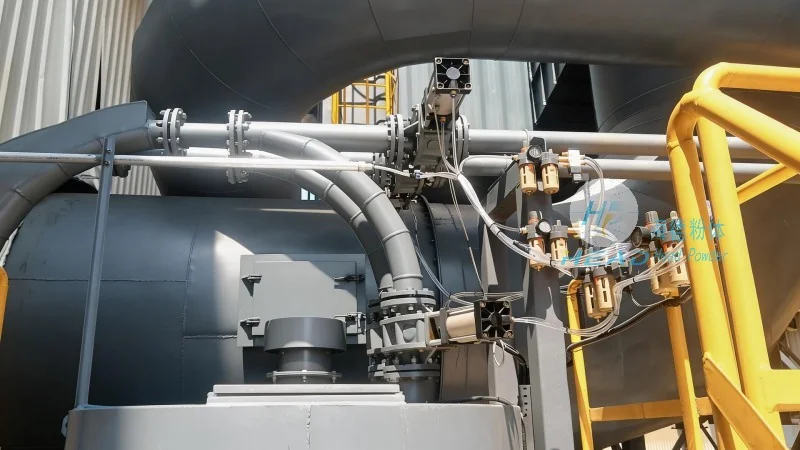
Core Working Principle of Pneumatic Conveying Systems
Pneumatic conveying equipment operates on the fundamental principle of using air or gas to transport solid particles through a pipeline. In the case of nanopowders, which are typically defined as powders with particle sizes below 1 micron, the challenges in handling these materials are amplified due to their high surface area, low bulk density, and tendency to agglomerate. The equipment must be designed to overcome these challenges while maintaining the integrity and quality of the nanopowder.
The primary mechanism involves the creation of a pressure differential between the inlet and outlet of the conveying line. A blower or compressor generates the necessary airflow, which is then directed into the hopper containing the nanopowder. As the air flows through the material, it lifts the particles and propels them forward through the pipeline. The design of the hopper, including features like a venturi or a rotary valve, is critical to ensure consistent feeding and prevent blockages caused by powder bridging or static charge buildup.
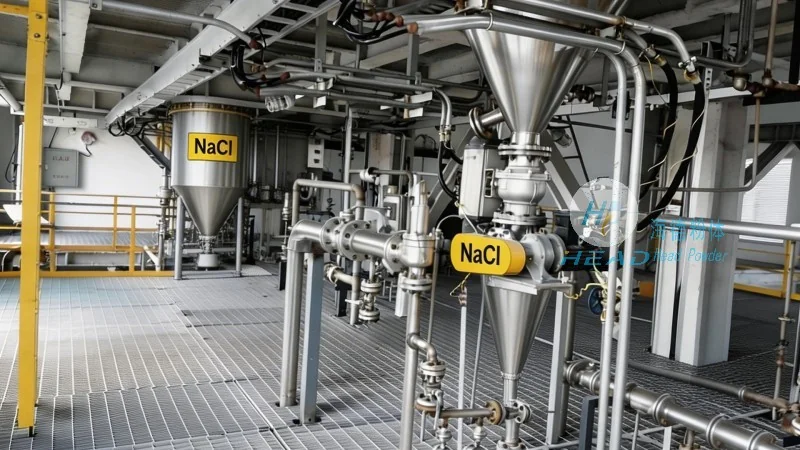
Key Components and Their Functions
Several key components work in tandem to enable effective nanopowder pneumatic conveying. These include the feeding system, the conveying line, the separation or collection unit, and the control system. The feeding system, often a hopper with a rotary valve or a venturi feeder, regulates the flow rate of the nanopowder into the conveying line. The conveying line, typically made of stainless steel or other corrosion-resistant materials, is designed to withstand the abrasive nature of nanopowders and maintain airtight integrity. The separation unit, such as a cyclone or a bag filter, is used to separate the conveyed powder from the air stream, ensuring that the powder is collected efficiently without loss.
Advantages of Nanopowder Pneumatic Conveying
Compared to traditional mechanical conveying methods, pneumatic conveying offers several advantages for handling nanopowders. These include the ability to transport materials over long distances without the need for multiple transfer points, reduced risk of contamination due to enclosed systems, and lower maintenance requirements as there are fewer moving parts in contact with the powder. Additionally, pneumatic systems can handle a wide range of particle sizes and shapes, making them versatile for various industrial applications.
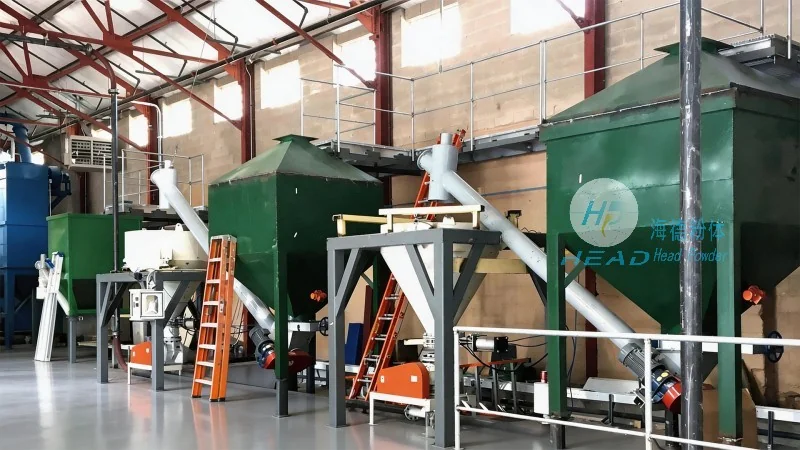
About Shandong HeadPowder Engineering Co., Ltd.
Shandong HeadPowder Engineering Co., Ltd., operating under the brand name HeadPowder, specializes in the design, manufacturing, and supply of advanced pneumatic conveying equipment tailored for nanopowder applications. With a focus on innovation and precision engineering, the company has established itself as a leading provider in the industry, serving clients across various sectors including pharmaceuticals, chemicals, and electronics.
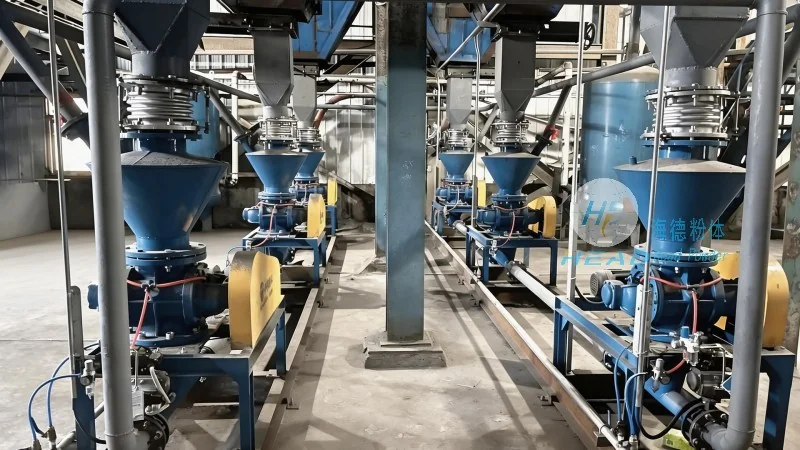
HeadPowder's expertise lies in developing customized solutions that address the unique challenges of nanopowder handling, such as preventing agglomeration, controlling particle size distribution, and ensuring consistent flow rates. The company's products are manufactured using high-quality materials and advanced technologies, ensuring durability, reliability, and compliance with industry standards.
Location and Contact Information
HeadPowder is headquartered in Shandong, China, with a dedicated facility equipped with state-of-the-art manufacturing and testing capabilities. The company's commitment to quality and customer satisfaction is reflected in its comprehensive after-sales service and technical support, ensuring that clients receive the best possible solutions for their nanopowder conveying needs.