

Principle of Tailings Slurry Pneumatic Conveying Equipment
Tailings slurry, a byproduct of mineral processing operations, poses significant challenges in handling and transportation due to its high moisture content and abrasive nature. Traditional methods like trucks or conveyor belts often struggle with the efficiency and cost-effectiveness required for large-scale operations. Pneumatic conveying systems have emerged as a sophisticated solution, offering a reliable and efficient means to transport tailings slurry over long distances with minimal environmental impact. This article delves into the fundamental principles behind tailings slurry pneumatic conveying equipment, exploring the mechanisms, components, and operational considerations that make this technology a preferred choice in the mining industry.
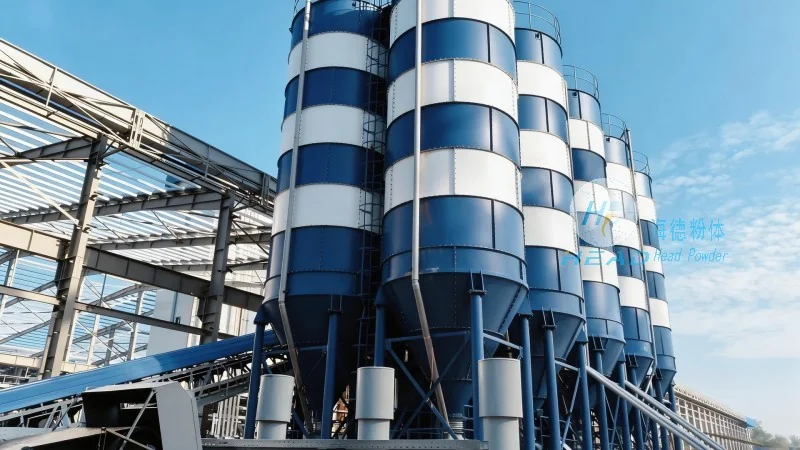
The Core Principle of Pneumatic Conveying
At its essence, pneumatic conveying relies on the movement of a fluid (usually air or gas) to transport solid particles through a pipeline. In the case of tailings slurry, the system uses a combination of air and water to create a slurry stream that carries the solid particles. The process can be categorized into two main types: dilute phase and dense phase. Dilute phase systems operate at higher air velocities, typically 20-30 m/s, and are suitable for short to medium distances, while dense phase systems use lower velocities (5-15 m/s) and higher air-to-solids ratios, making them ideal for long-distance transport. The choice between these systems depends on factors such as the distance to be covered, the viscosity of the slurry, and the required flow rate.
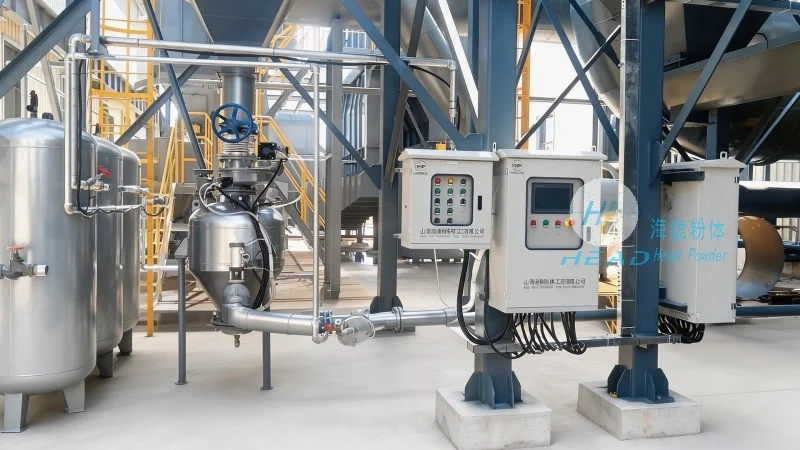
Key Components of the Conveying System
The tailings slurry pneumatic conveying system consists of several critical components that work in tandem to ensure efficient operation. The primary components include a slurry pump or feed system, a compressor or air supply unit, a pipeline network, and a receiver or discharge system. The slurry pump is responsible for feeding the tailings slurry into the pipeline, while the compressor provides the necessary air pressure to move the slurry. The pipeline, often made of corrosion-resistant materials like stainless steel or polyethylene, is designed to withstand the abrasive nature of the slurry and maintain the required pressure. The receiver or discharge system collects the transported slurry and may include filtration or dewatering equipment to manage the final product.
Operational Considerations and Efficiency
Effective operation of tailings slurry pneumatic conveying equipment requires careful consideration of several factors to maximize efficiency and minimize downtime. One of the critical aspects is the control of air pressure and flow rate. Proper adjustment of these parameters ensures that the slurry moves smoothly through the pipeline without causing blockages or excessive wear on components. Additionally, the system must be equipped with monitoring and control devices to detect any issues such as pressure drops or air leaks, allowing for timely maintenance. The use of advanced materials and design features, such as self-cleaning pipelines and wear-resistant liners, further enhances the longevity and performance of the equipment. Regular maintenance, including cleaning and inspection of components, is essential to prevent clogging and ensure consistent operation.
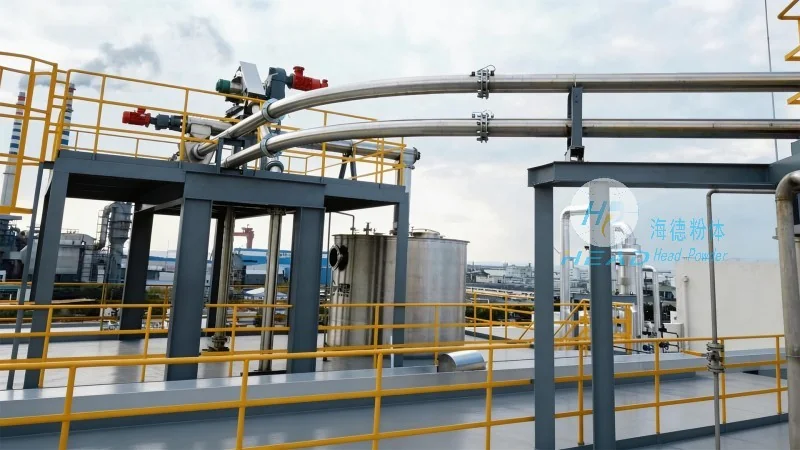
Environmental and Cost Benefits
Compared to traditional transportation methods, tailings slurry pneumatic conveying offers several environmental and economic advantages. By eliminating the need for trucks or heavy machinery, the system reduces traffic congestion and emissions, contributing to a cleaner operating environment. The reduced reliance on external transportation also lowers operational costs, as the equipment can handle large volumes of slurry with minimal labor and energy input. Furthermore, the ability to transport slurry over long distances without the need for intermediate storage facilities improves the overall logistics of mining operations, enhancing productivity and reducing the environmental footprint of the process.