Corundum, a high-purity form of aluminum oxide (Al₂O₃), is widely used in various industrial applications due to its exceptional hardness, thermal stability, and chemical resistance. The efficient handling and transportation of corundum powder and granules are critical for maintaining product quality and operational efficiency in manufacturing processes. Pneumatic conveying systems offer a reliable solution for moving these materials, leveraging air flow to transport the material through pipelines. This article explores the fundamental principles behind corundum pneumatic conveying equipment, detailing the key components, operational mechanisms, and practical considerations for effective material transport. As a leading provider of industrial conveying solutions, Shandong HeadPowder Engineering Co., Ltd. specializes in designing and manufacturing pneumatic systems tailored to the unique needs of industries handling corundum and other abrasive materials.
Key Components of Pneumatic Conveying Systems
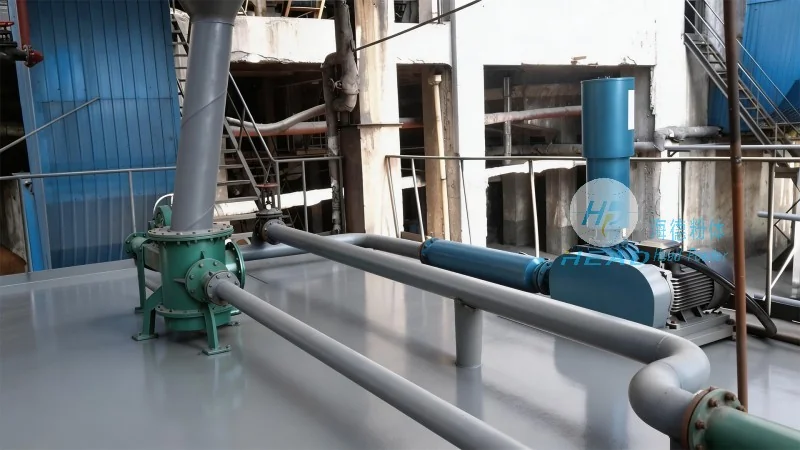
A pneumatic conveying system for corundum typically consists of several essential components that work in tandem to ensure smooth material transport. The primary components include a material feeder, a conveying pipeline, a pressure or vacuum source, and a receiver or discharge unit. The material feeder is responsible for introducing the corundum into the system, ensuring a consistent flow rate. For corundum, which can be abrasive, specialized feeders such as rotary valves or star feeders are often used to minimize wear and maintain product integrity. The conveying pipeline, usually made of stainless steel or other corrosion-resistant materials, is designed to withstand the abrasive nature of the material and maintain air pressure. The pressure source, which can be a positive pressure blower or a vacuum pump, provides the necessary force to move the material through the pipeline. Finally, the receiver or discharge unit collects the conveyed corundum and may include a dust collection system to ensure environmental compliance.
Operating Principles of Pneumatic Conveying
The core principle of pneumatic conveying is the use of air flow to suspend and transport solid particles. In a positive pressure system, air is blown into the pipeline, creating a high-pressure environment that propels the material forward. The air velocity must be sufficient to keep the corundum particles in suspension, preventing them from settling or causing blockages. The velocity of the air and the size of the particles are critical factors in determining the system's efficiency. For corundum, which has a high density and can be fine or coarse, the system design must account for these characteristics to ensure optimal performance. The pressure drop along the pipeline is another key factor, as it affects the system's overall efficiency and energy consumption. Proper design of the pipeline diameter, length, and bends is essential to minimize pressure losses and maintain consistent flow rates.
Advantages of Pneumatic Conveying for Corundum Handling
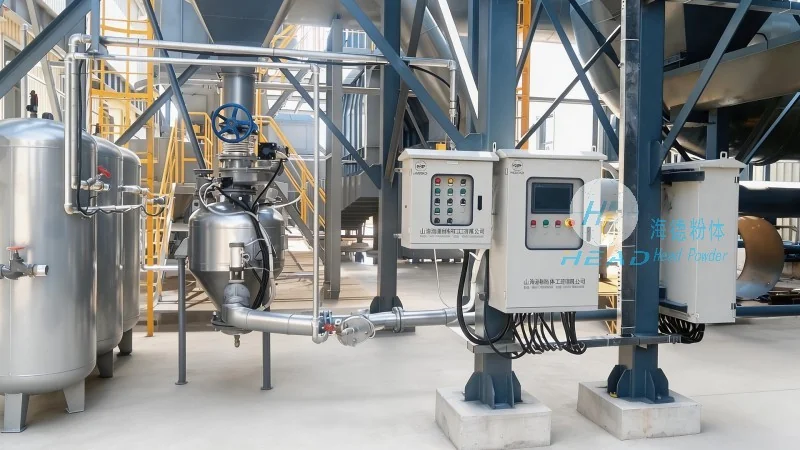
Compared to traditional mechanical conveying methods, pneumatic conveying offers several advantages for handling corundum. One of the primary benefits is the ability to transport materials over long distances without the need for multiple transfer points. This reduces the risk of material degradation and contamination, which is particularly important for high-purity corundum used in applications such as refractory production, abrasive tools, and optical components. Pneumatic systems also provide better control over material flow, allowing for precise dosing and batching. This is crucial in processes where the exact amount of corundum is critical, such as in the manufacturing of ceramics or coatings. Additionally, pneumatic conveying can handle a wide range of particle sizes and shapes, making it suitable for both fine powders and coarse granules. The system's flexibility also allows for easy integration with other processing equipment, such as mixers, classifiers, and storage silos.
Design Considerations for Corundum Pneumatic Conveying
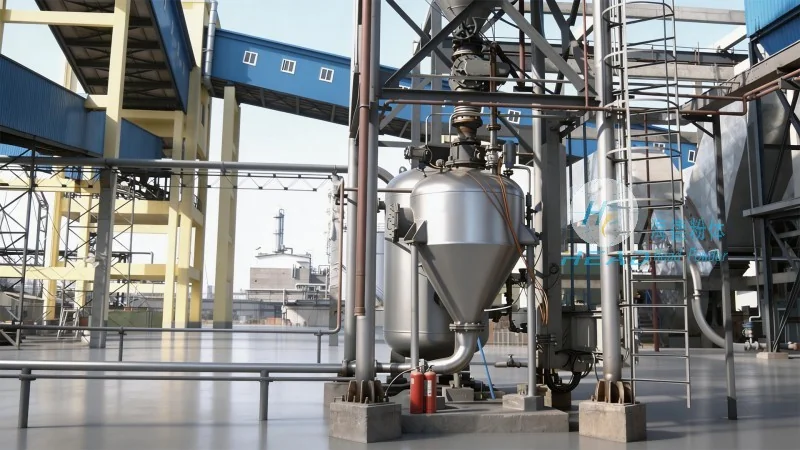
When designing a pneumatic conveying system for corundum, several factors must be carefully considered to ensure optimal performance and longevity. First, the material's physical properties, such as particle size distribution, density, and abrasiveness, must be thoroughly analyzed. These properties directly impact the system's design, including the air velocity required for suspension and the choice of pipeline material. For example, fine corundum powders may require higher air velocities to maintain suspension, while coarse granules can be transported at lower velocities. The system's capacity and flow rate must also be matched to the production requirements, ensuring that the conveying rate is sufficient to meet the demand without causing bottlenecks. Additionally, the system's layout, including the number and location of bends, vertical lifts, and horizontal runs, must be optimized to minimize pressure losses and energy consumption. Proper maintenance of the system, including regular cleaning of the pipeline and replacement of wear parts, is essential to prevent blockages and ensure consistent performance. Finally, compliance with environmental regulations, such as dust emission limits, must be considered, often requiring the inclusion of a dust collection system.
Applications of Corundum Pneumatic Conveying
Corundum pneumatic conveying systems are widely used in various industries that rely on high-purity aluminum oxide. In the refractory industry, corundum is used to produce high-temperature refractory bricks and linings, and pneumatic conveying ensures that the material is transported without contamination or degradation. In the abrasive tools industry, corundum is used to make grinding wheels and sandpaper, and the system's ability to handle fine powders is critical for maintaining product quality. The optical industry also utilizes corundum in the production of high-refractive-index lenses and other optical components, where the purity and consistency of the material are paramount. Additionally, in the ceramics and glass industries, corundum is used as a raw material for high-strength and high-temperature-resistant products, and pneumatic conveying ensures that the material is accurately dosed and mixed with other ingredients. The versatility of pneumatic conveying makes it an ideal solution for these applications, providing a reliable and efficient method for handling corundum in various forms.




