

Principle of Pneumatic Conveying Equipment for Aluminum Turnings
Aluminum turnings, a common byproduct in the aluminum processing industry, require efficient and reliable handling methods to ensure smooth production workflows. Pneumatic conveying equipment offers a sophisticated solution for transporting these lightweight, often dusty materials over varying distances. This article delves into the fundamental principles behind pneumatic conveying systems designed specifically for aluminum turnings, highlighting the technical aspects, operational benefits, and practical applications of such equipment.
Understanding Pneumatic Conveying Systems
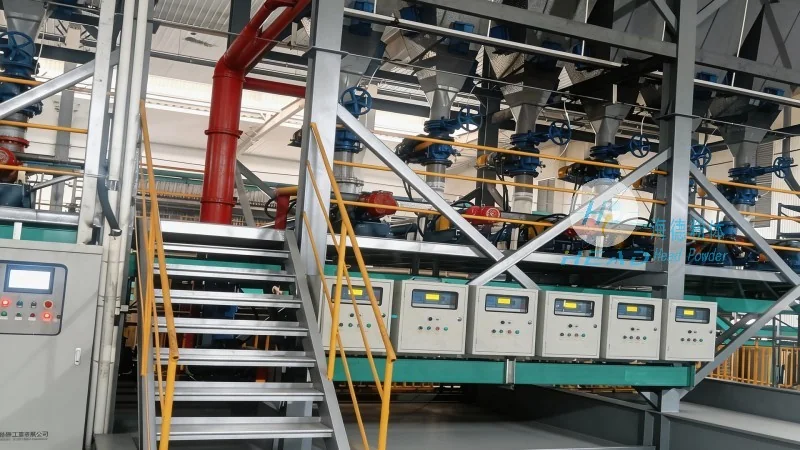
Pneumatic conveying, also known as air conveying, is a method of transporting bulk materials through a pipeline using a stream of air. The system typically operates by creating a pressure differential—either by blowing air into the pipeline (positive pressure) or by creating a vacuum (negative pressure)—to move the material. For aluminum turnings, which are often irregularly shaped and can generate dust, specialized equipment is essential to maintain efficiency and prevent system blockages.
Key Components of Aluminum Turnings Pneumatic Conveying Equipment
The core components of a pneumatic conveying system for aluminum turnings include the material feed hopper, the air compressor or vacuum pump, the conveying pipeline, and the discharge receiver. The feed hopper is designed to store and meter the aluminum turnings into the system, ensuring a consistent flow rate. The air compressor or vacuum pump generates the necessary pressure or vacuum to move the material through the pipeline. The pipeline itself is typically made of durable materials like stainless steel or PVC to withstand the abrasive nature of aluminum turnings and resist corrosion. The discharge receiver collects the material at the end of the conveying line, allowing for further processing or storage.
Operating Principles and Types of Conveying
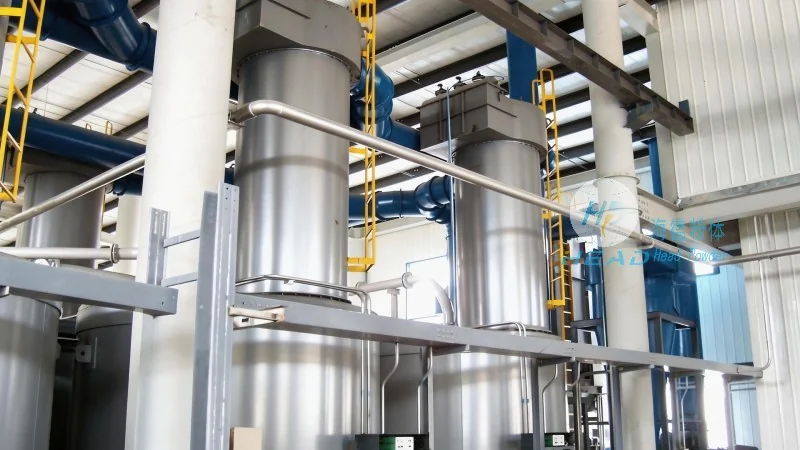
There are two primary types of pneumatic conveying systems used for aluminum turnings: positive pressure and negative pressure. Positive pressure systems use an air blower to force air and material through the pipeline, while negative pressure systems use a vacuum pump to draw material into the pipeline. The choice between these systems depends on factors such as the distance to be covered, the volume of material to be transported, and the need to minimize dust emissions. For aluminum turnings, positive pressure systems are often preferred due to their ability to handle larger volumes and maintain higher material velocities, which reduces the risk of material settling or clogging.
Advantages of Pneumatic Conveying for Aluminum Turnings
Implementing pneumatic conveying equipment for aluminum turnings offers several key advantages. Firstly, it provides a dust-free and enclosed system, which enhances workplace safety and reduces the risk of respiratory issues associated with aluminum dust. Secondly, the system is highly efficient, as it can transport materials over long distances with minimal energy consumption compared to traditional methods like conveyor belts or trucks. Thirdly, pneumatic conveying systems are flexible and can be easily integrated into existing production lines, allowing for adjustments in material flow and processing. Additionally, the enclosed nature of the system helps maintain material quality by preventing contamination from external sources.
HeadPowder Engineering Co., Ltd.: Experts in Pneumatic Conveying Solutions
Shandong HeadPowder Engineering Co., Ltd., a leading manufacturer of pneumatic conveying equipment, specializes in providing customized solutions for aluminum turnings handling. With years of experience in the industry, HeadPowder has developed advanced systems that address the unique challenges of aluminum turnings, such as their lightweight nature and tendency to generate dust. The company’s equipment is designed with high-quality materials and precision engineering to ensure durability, reliability, and optimal performance. HeadPowder’s commitment to innovation and customer satisfaction has made them a trusted partner for businesses seeking efficient and effective aluminum turnings transportation solutions.
Applications and Industries Served
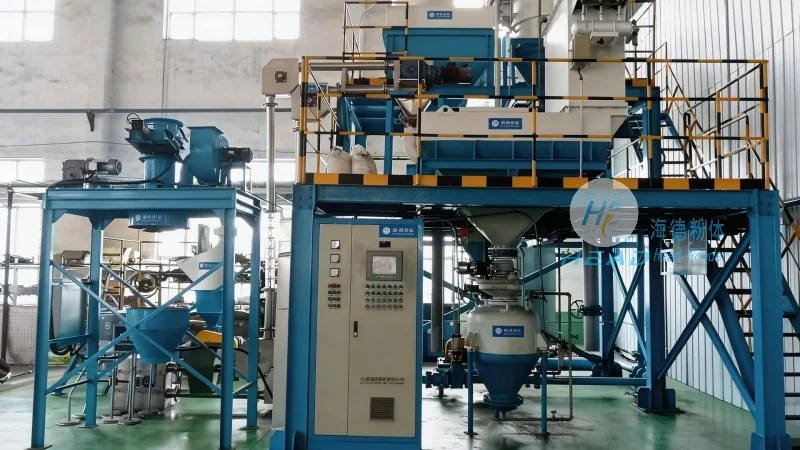
Pneumatic conveying equipment for aluminum turnings is widely used in various industries, including aluminum smelting, recycling, and manufacturing. In aluminum smelting plants, the system is used to transport raw aluminum turnings from storage areas to processing equipment, ensuring a continuous supply of material. In recycling facilities, the equipment helps move aluminum turnings from collection points to melting furnaces, facilitating the recycling process. Additionally, in manufacturing plants, the system is used to transport aluminum turnings from machining operations to storage or further processing stages. The versatility of pneumatic conveying systems makes them suitable for a wide range of applications, from small-scale operations to large industrial facilities.
Conclusion
Pneumatic conveying equipment for aluminum turnings is a critical component in modern aluminum processing and recycling operations. By understanding the fundamental principles of these systems and leveraging advanced technology, businesses can achieve efficient, safe, and cost-effective material handling. With the expertise of companies like Shandong HeadPowder Engineering Co., Ltd., organizations can implement reliable pneumatic conveying solutions that meet their specific needs and contribute to overall operational efficiency.