Wheat bran pneumatic conveying equipment is a specialized system designed to efficiently transport wheat bran and similar bulk materials. The technology relies on the principles of pneumatic conveying, which uses air flow to move particles through a pipeline. This method offers significant advantages over traditional mechanical conveying systems, such as reduced maintenance, lower energy consumption, and enhanced safety in handling fine or dusty materials like wheat bran.
Working Principle of Pneumatic Conveying Systems
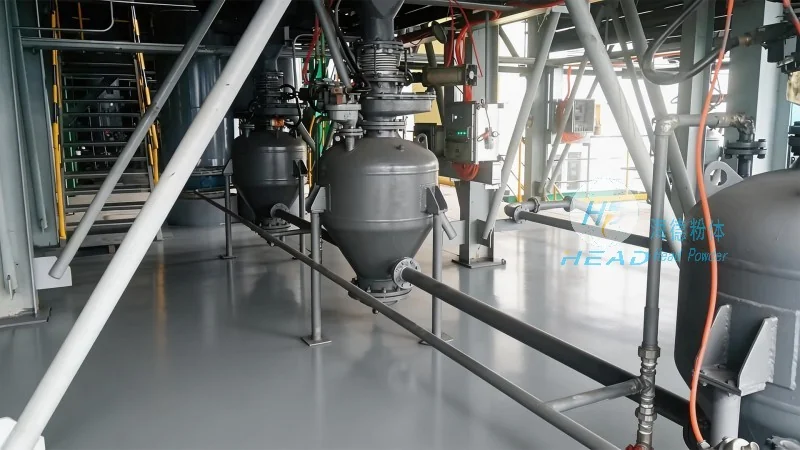
The core of wheat bran pneumatic conveying equipment lies in its ability to create a controlled air flow that propels the material. The system typically consists of a blower or compressor that generates the necessary air pressure, a hopper or feeder to introduce the wheat bran into the pipeline, and a discharge point where the material is released. The air flow is directed through the pipeline, and the wheat bran particles are entrained by the air stream, moving from the intake to the discharge location. The velocity and pressure of the air are critical factors that determine the efficiency and capacity of the conveying process. Proper design ensures that the air velocity is sufficient to lift and transport the wheat bran without causing excessive wear or degradation of the material.
Key Components and Their Functions
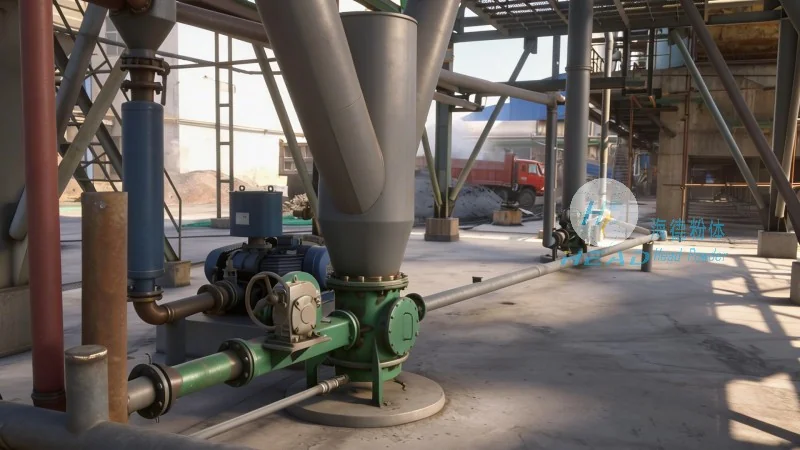
Several key components work together to ensure the smooth operation of wheat bran pneumatic conveying equipment. The blower or air compressor provides the motive force, generating the pressure needed to move the material. The hopper or feeder is responsible for feeding the wheat bran into the system, often equipped with a valve or gate to control the flow rate. The pipeline, usually made of stainless steel or other corrosion-resistant materials, carries the air and material mixture. The discharge unit, such as a rotary valve or a venturi, regulates the release of the wheat bran at the destination. Additionally, filters and cyclones may be included to separate the air from the material, ensuring that the wheat bran is delivered in a clean state and the air is filtered to prevent dust contamination.
Advantages of Wheat Bran Pneumatic Conveying
Implementing a pneumatic conveying system for wheat bran offers numerous benefits. First, it eliminates the need for mechanical components like belts or chains, reducing maintenance costs and extending the equipment's lifespan. Second, the system operates with lower energy consumption compared to traditional methods, making it more cost-effective and environmentally friendly. Third, it provides a dust-free and hygienic environment, which is crucial for food processing applications where contamination must be minimized. Fourth, the system can handle a wide range of particle sizes and moisture contents, making it versatile for different wheat bran processing operations. Finally, the enclosed pipeline design prevents material spillage and exposure to external elements, enhancing safety and product quality.
Application Scenarios in Wheat Processing
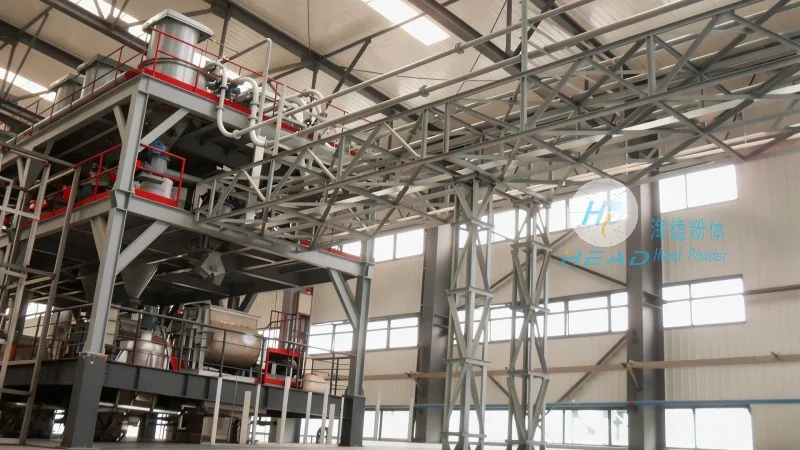
Wheat bran pneumatic conveying equipment is widely used in various stages of wheat processing. In flour mills, it efficiently transports wheat bran from the bran separation stage to storage silos or packaging areas. In food production facilities, it moves bran for use in baked goods, nutritional supplements, or animal feed. The system is also employed in biogas plants where wheat bran is used as a substrate for methane production. Its ability to handle bulk materials over long distances without intermediate handling makes it ideal for large-scale operations. The equipment's flexibility allows it to adapt to different production volumes and process requirements, ensuring consistent performance in diverse industrial settings.
Maintenance and Operational Considerations
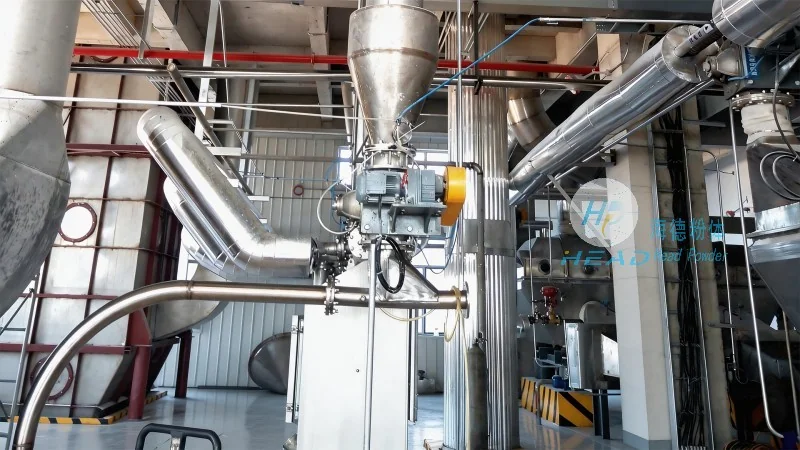
Proper maintenance is essential to maximize the efficiency and longevity of wheat bran pneumatic conveying equipment. Regular checks of the blower's performance, air pressure, and flow rates are necessary to identify any issues early. The pipeline and components should be inspected for signs of wear, corrosion, or blockages. Filters and cyclones need to be cleaned or replaced as needed to maintain air quality and prevent system inefficiencies. Additionally, the feeder and hopper should be kept free of material buildup to ensure consistent feeding. Operational considerations include monitoring the air velocity and pressure to avoid excessive energy consumption or material degradation. Proper training of operators on the system's controls and safety procedures is also critical to prevent accidents and ensure smooth operation.
About Shandong HeadPowder Engineering Co., Ltd.
Shandong HeadPowder Engineering Co., Ltd., operating under the brand name headpowder, is a leading manufacturer of specialized pneumatic conveying equipment. With a focus on innovation and quality, the company has developed advanced solutions tailored to the needs of the wheat processing industry. Headpowder's expertise lies in designing and manufacturing equipment that meets the highest standards of efficiency, reliability, and safety. The company's products are widely used in flour mills, food processing plants, and biogas facilities across China and internationally. Headpowder's commitment to customer satisfaction and technical excellence has established it as a trusted partner in the industry, providing comprehensive solutions for bulk material handling challenges.




