

Principle of Bean Cake Pneumatic Conveying Equipment
Understanding the core principles of pneumatic conveying equipment is essential for optimizing material handling processes in various industrial applications. For industries dealing with bulk materials like bean cake, the efficiency and reliability of such systems directly impact operational productivity and cost-effectiveness. This article delves into the fundamental mechanisms, key components, and operational dynamics of pneumatic conveying systems, with a focus on how Shandong HeadPowder Engineering Co., Ltd. applies these principles to design and manufacture specialized equipment tailored for bean cake handling.
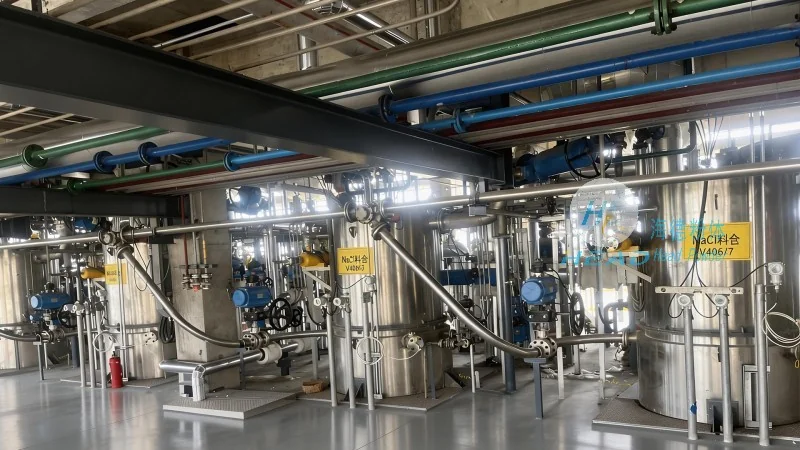
Basic Working Principle of Pneumatic Conveying
The fundamental principle of pneumatic conveying involves transporting bulk materials through a pipeline using a moving gas stream, typically air or other gases. This method eliminates the need for mechanical components like belts, buckets, or screw conveyors, offering a more hygienic and flexible solution for transporting materials such as bean cake. The process relies on the creation of a pressure differential within the pipeline, which propels the material forward. There are two primary types of pneumatic conveying systems: pressure and vacuum systems. Pressure systems operate by introducing compressed air into the material stream, while vacuum systems create a negative pressure to draw material into the pipeline.
Key Components and Their Functions
Effective pneumatic conveying of bean cake requires a well-designed system with several critical components. The primary components include the material feeder, which introduces the bean cake into the pipeline; the conveying line, which transports the material; the air supply system, which provides the necessary gas flow; and the control valves and regulators, which manage the pressure and flow rates. Each component plays a vital role in ensuring the smooth and efficient operation of the system. For instance, the material feeder must be designed to handle the specific characteristics of bean cake, such as its density and flowability, to prevent blockages and ensure consistent material feed. The conveying line is typically made of materials resistant to corrosion and wear, such as stainless steel, to withstand the abrasive nature of the material. The air supply system must be capable of delivering the required air volume and pressure, often with filtration to remove contaminants that could damage the equipment or affect the quality of the bean cake.
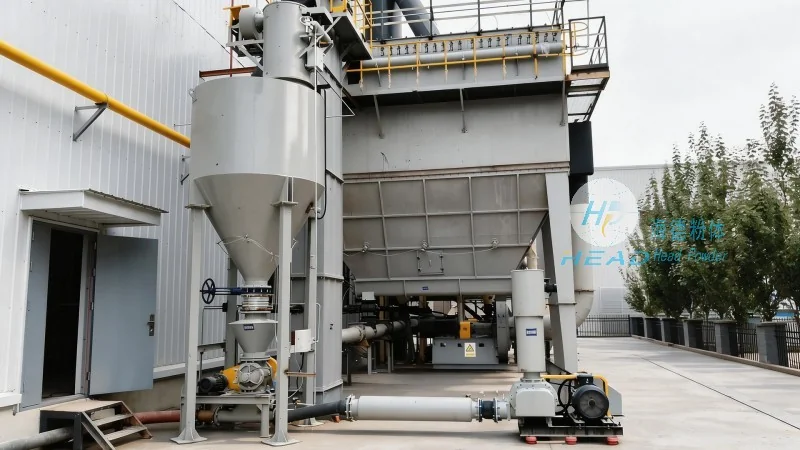
Application in Bean Cake Handling
Bean cake, a byproduct of the oil extraction process from soybeans or other legumes, is often handled in large quantities during processing and storage. Traditional handling methods, such as manual loading or mechanical conveyors, can be inefficient, labor-intensive, and prone to contamination. Pneumatic conveying systems offer a superior alternative by providing a clean, enclosed environment for transporting bean cake, which is crucial for maintaining product quality and meeting regulatory standards. The flexibility of pneumatic systems allows for easy integration into existing production lines, enabling seamless material transfer between storage silos, processing units, and packaging areas. This not only improves operational efficiency but also reduces the risk of material spillage and cross-contamination.
Advantages of Pneumatic Conveying for Bean Cake
Compared to traditional mechanical conveying methods, pneumatic conveying offers several advantages that make it an ideal choice for bean cake handling. One of the most significant benefits is the hygienic nature of the system, as the enclosed pipeline prevents contact with external contaminants and reduces the risk of bacterial growth. This is particularly important for food processing applications where product safety is paramount. Additionally, pneumatic systems are highly flexible, allowing for changes in material flow direction and route without the need for extensive reconfiguration. This adaptability is valuable in dynamic production environments where processes may need to be adjusted frequently. Another advantage is the ability to handle a wide range of material characteristics, including varying moisture content and particle sizes, without compromising system performance. This versatility makes pneumatic conveying suitable for diverse applications within the food and agricultural industries.
Design Considerations for Optimal Performance
Designing an effective pneumatic conveying system for bean cake requires careful consideration of several factors to ensure optimal performance and longevity. The first consideration is the material's physical properties, such as its bulk density, flowability, and abrasiveness. These properties determine the appropriate air velocity and pressure required to transport the material efficiently without causing excessive wear on the system components. For bean cake, which can be dense and abrasive, higher air velocities and pressures may be necessary to maintain consistent flow and prevent blockages. Another critical factor is the system's capacity, which must be matched to the production rate and material handling requirements. Overloading the system can lead to reduced efficiency and increased energy consumption, while underloading may result in inefficient use of resources. The choice of materials for the conveying line and components is also essential, as bean cake can be corrosive due to its moisture content and potential for microbial growth. Stainless steel is often preferred for its resistance to corrosion and ease of cleaning, ensuring the system remains hygienic and compliant with food safety regulations.
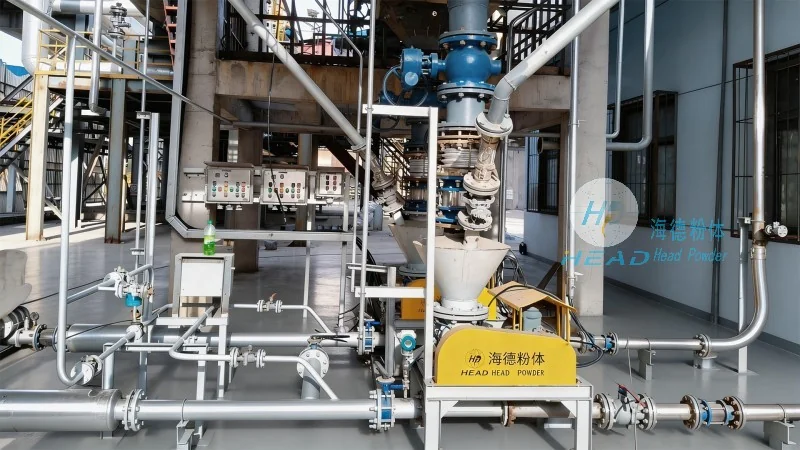
Operational Maintenance and Safety
Proper maintenance and safety protocols are essential for ensuring the long-term reliability and efficiency of pneumatic conveying systems used for bean cake handling. Regular maintenance tasks include checking and replacing air filters to prevent clogging, inspecting the conveying line for signs of wear or damage, and cleaning the material feeder and other components to remove accumulated material. These tasks should be performed according to a scheduled maintenance plan to minimize downtime and prevent system failures. Safety is another critical aspect, as pneumatic systems operate at high pressures and velocities, posing risks of injury or equipment damage if not handled properly. Proper training for operators on system operation and emergency procedures is essential to mitigate these risks. Additionally, implementing safety features such as pressure relief valves and emergency shut-off systems can further enhance the safety of the operation.
Conclusion
In conclusion, the principle of pneumatic conveying offers a highly effective and efficient method for handling bean cake in industrial applications. By understanding the fundamental mechanisms and key components of such systems, manufacturers can design and operate equipment that optimizes material flow, maintains product quality, and reduces operational costs. Shandong HeadPowder Engineering Co., Ltd. specializes in providing customized pneumatic conveying solutions tailored to the specific needs of industries dealing with bean cake, ensuring that clients benefit from the advantages of this technology. With a focus on quality, reliability, and customer satisfaction, HeadPowder continues to be a leading provider of pneumatic conveying equipment in the food and agricultural sectors.