

Principle of Sand and Gravel Pneumatic Conveying Equipment
Understanding the fundamental principles of sand and gravel pneumatic conveying equipment is crucial for optimizing material handling processes in various industrial applications. This equipment utilizes air as the primary medium to transport bulk materials like sand, gravel, and other granular substances through a pipeline system. The core mechanism involves creating a pressure differential between the inlet and outlet of the conveying line, enabling the material to be suspended and propelled by the moving air stream.
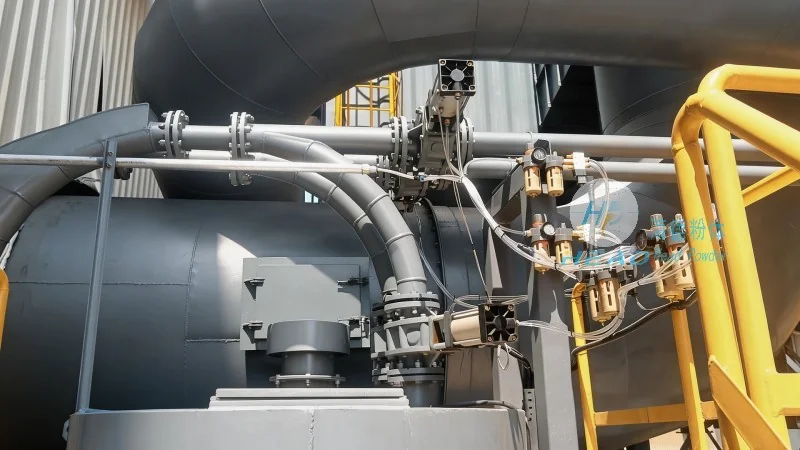
Company Overview
HeadPowder, a leading manufacturer based in Shandong, China, specializes in the design, development, and production of advanced pneumatic conveying systems. With years of industry experience, the company has established itself as a trusted provider of high-quality equipment tailored to meet the diverse needs of construction, mining, and other material handling sectors. The company's commitment to innovation and customer satisfaction has positioned it as a key player in the global market for pneumatic conveying solutions.
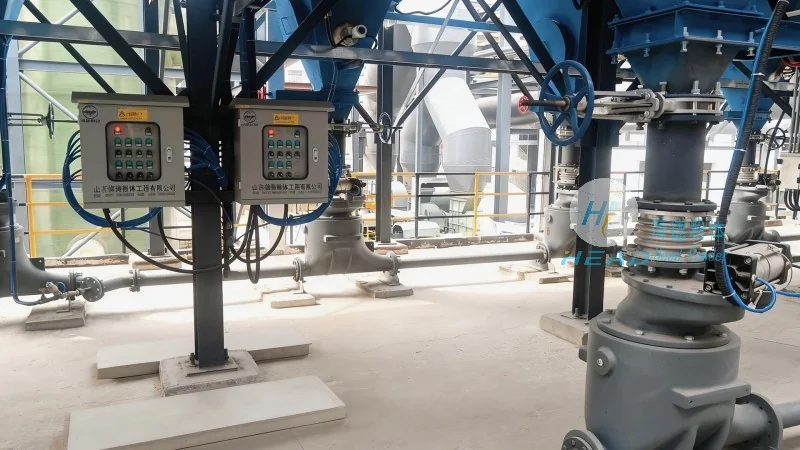
Application Scenarios in Sand and Gravel Handling
Sand and gravel pneumatic conveying equipment is widely utilized in construction projects, where it facilitates the efficient transportation of aggregates from storage sites to construction sites. In mining operations, the equipment plays a vital role in moving raw materials from extraction points to processing facilities. Additionally, it is employed in aggregate processing plants to transport materials between different stages of production, such as crushing, screening, and storage. The versatility of this equipment allows it to handle various particle sizes and material types, making it suitable for a broad range of industrial applications.
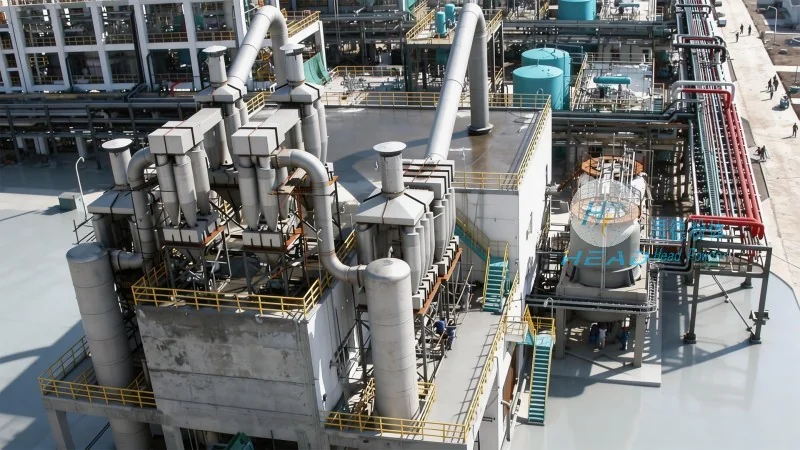
Technical Advantages of Pneumatic Conveying Systems
Compared to traditional mechanical conveying methods, pneumatic conveying offers several advantages in the handling of sand and gravel. One of the key benefits is the ability to transport materials over long distances with minimal maintenance requirements. The system eliminates the need for multiple transfer points and reduces the risk of material contamination, as the conveying process is enclosed within a pipeline. Furthermore, pneumatic conveying systems can handle materials with high moisture content or abrasive properties without causing wear and tear on the equipment. The flexibility of the system allows for easy integration with existing production lines, enabling seamless material flow and improved operational efficiency.
Key Components and Operational Mechanisms
The sand and gravel pneumatic conveying equipment typically consists of several critical components, including a material feeder, a blower or compressor, a conveying pipeline, and a discharge unit. The material feeder is responsible for feeding the sand or gravel into the pipeline at a controlled rate. The blower or compressor generates the necessary air pressure to create the conveying airflow. The conveying pipeline transports the material suspended in the air stream from the inlet to the outlet. The discharge unit, often equipped with a cyclone separator or a rotary valve, separates the material from the air and directs it to the desired destination. The operation of the system involves creating a negative pressure at the inlet and a positive pressure at the outlet, ensuring the continuous flow of material through the pipeline.
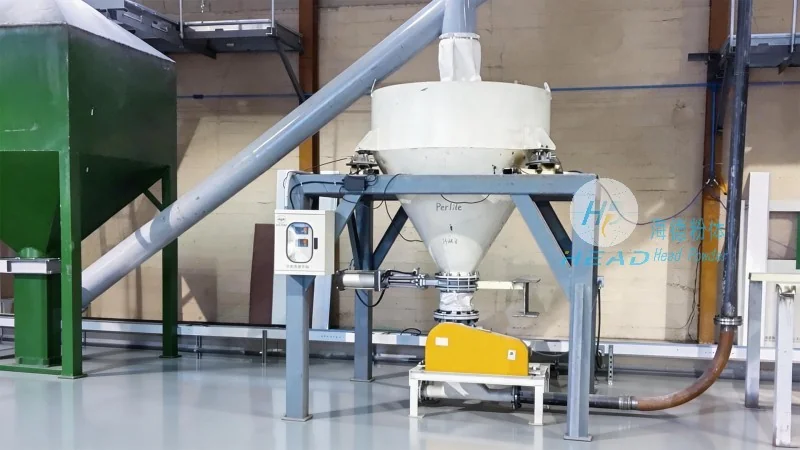
Customization and Scalability for Diverse Needs
HeadPowder recognizes that each industrial application has unique requirements, and therefore, offers customized pneumatic conveying solutions tailored to specific customer needs. The company's engineering team works closely with clients to design systems that optimize material handling efficiency while minimizing operational costs. The equipment can be scaled to accommodate varying material volumes and distances, making it suitable for both small-scale and large-scale operations. Additionally, the company provides comprehensive after-sales support, including maintenance services and technical assistance, to ensure the long-term reliability and performance of the conveying systems.