

Principle of Flour Pneumatic Conveying Equipment
HeadPowder, a professional manufacturer based in Shandong, China, specializes in the design and production of pneumatic conveying equipment for flour and other powders. This article aims to explain the fundamental principles behind the operation of such equipment, highlighting the technical aspects and practical applications that make it an essential tool in the flour processing industry.
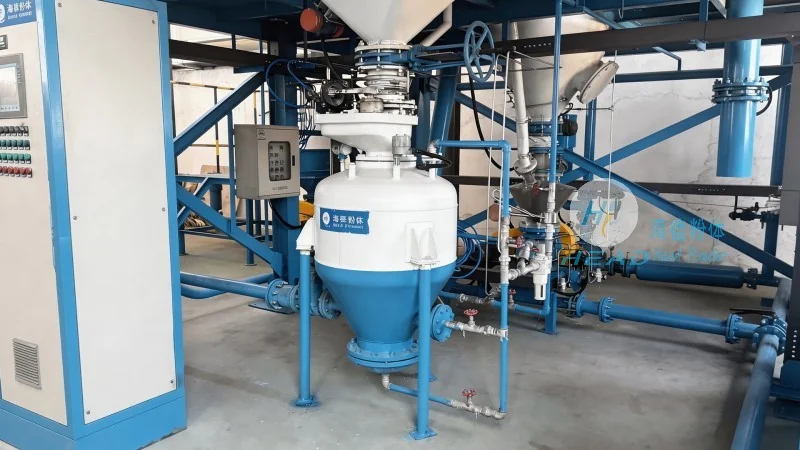
Introduction to Pneumatic Conveying Systems
Pneumatic conveying systems are used to transport bulk materials like flour from one location to another using air as the conveying medium. These systems are widely adopted in the food processing industry due to their ability to handle fine powders efficiently while maintaining hygiene standards. The core of a pneumatic conveying system lies in its ability to create a pressure differential that propels the material through a pipeline.
Working Principle of Flour Pneumatic Conveying Equipment
The operation of flour pneumatic conveying equipment is based on the principle of air flow and pressure. There are two main types of pneumatic conveying systems: positive pressure and negative pressure. In a positive pressure system, air is blown into the pipeline, creating a higher pressure inside the line compared to the ambient air. This pressure pushes the flour particles along the pipeline. Conversely, in a negative pressure system, air is drawn out of the pipeline, creating a lower pressure inside, which pulls the material from the source into the line.
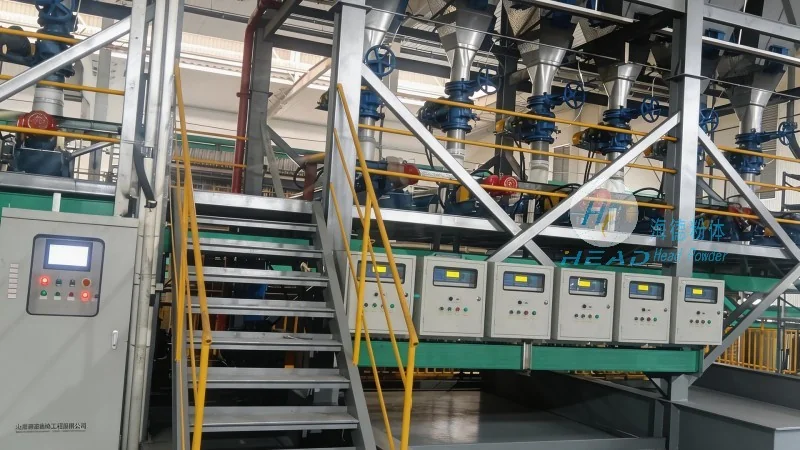
For flour, which is a fine powder, the positive pressure system is often preferred as it can handle high volumes of material with less risk of clogging. The equipment typically includes a hopper where the flour is stored, a feeder that controls the flow rate, a blower or compressor that generates the air pressure, and a pipeline network that transports the flour to the destination. The process begins when the feeder starts discharging flour into the pipeline, and the air from the blower is introduced, creating a mixture of flour and air that moves through the system.
Key Components and Their Functions
Several key components work together to ensure the smooth operation of a flour pneumatic conveying system. The hopper serves as the storage container, providing a consistent supply of flour to the feeder. The feeder, often a rotary valve or a screw feeder, regulates the flow rate of the flour, preventing overloading and ensuring stable operation. The blower or compressor is the heart of the system, generating the necessary air pressure to convey the material. The pipeline network, usually made of stainless steel to maintain hygiene, transports the flour from the source to the destination. Additionally, filters and cyclones are used to separate the flour from the air at the end of the line, allowing the air to be recirculated or discharged while the flour is collected in a receiving bin.
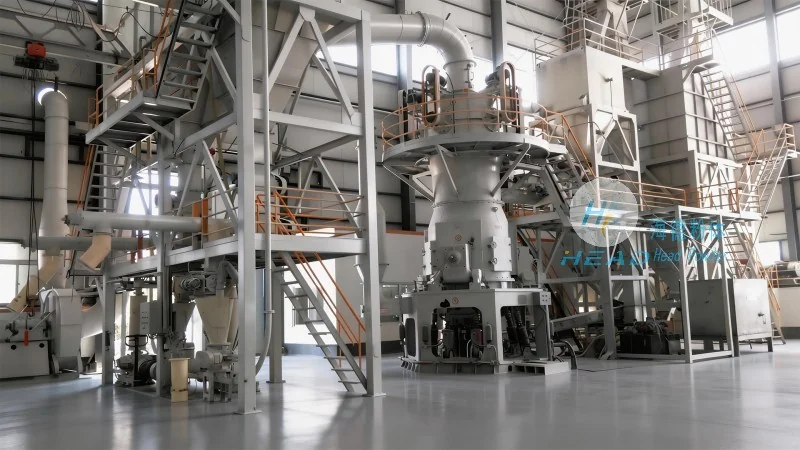
Advantages of Using Pneumatic Conveying for Flour
Implementing pneumatic conveying equipment for flour processing offers several advantages. First, it significantly improves the efficiency of material handling by eliminating the need for manual or mechanical conveying methods. This reduces labor costs and increases production throughput. Second, the system maintains a clean and hygienic environment, which is crucial for food-grade products like flour. The enclosed pipeline prevents contamination from dust or other external factors. Third, pneumatic conveying systems are flexible and can be easily integrated into existing production lines. They can transport flour over long distances and to multiple destinations without the need for complex infrastructure changes. Finally, the system reduces the risk of material degradation, as the flour is not exposed to air or moisture during transport, preserving its quality and freshness.
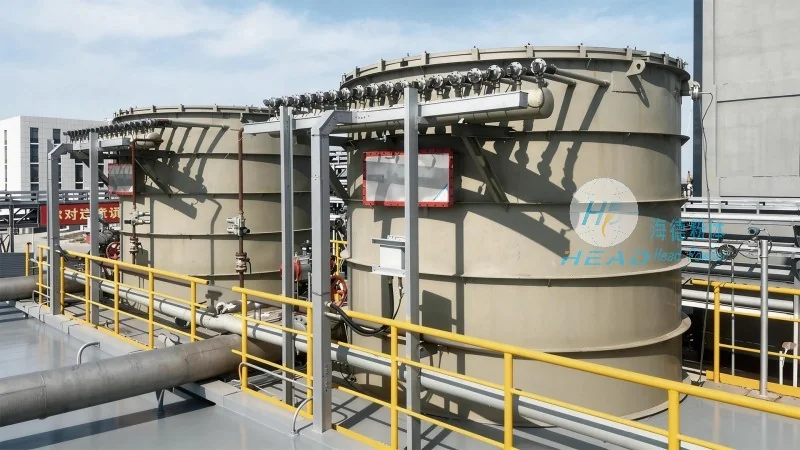
Application Scenarios in Flour Processing
Pneumatic conveying equipment is widely used in various stages of flour processing. In the mill, it can transport raw wheat from storage silos to the grinding machinery. During the milling process, it can convey the ground flour from the mill to the packaging area. In the bakery or food processing plants, it can transport flour from storage to the mixing and baking equipment. The versatility of the system allows it to handle different types of flour, including wheat flour, rye flour, and specialty flours, making it a versatile solution for various applications.
Conclusion
Flour pneumatic conveying equipment is a critical component in modern flour processing facilities. By understanding the principles of air flow and pressure, manufacturers can design efficient systems that enhance productivity, maintain hygiene, and ensure the quality of the final product. As a leading company in this field, Shandong HeadPowder Engineering Co., Ltd. provides high-quality pneumatic conveying solutions tailored to the specific needs of flour processing industries, helping businesses optimize their operations and meet the demands of the market.