

Principle of Pneumatic Conveying System for Lithium-Ion Battery Anode Materials
HeadPowder, a leading engineering company based in Shandong, China, specializes in the design and implementation of advanced pneumatic conveying systems tailored for the handling of lithium-ion battery anode materials. This article provides a detailed explanation of the fundamental principles underlying such systems, emphasizing the technical aspects and operational efficiency crucial for modern battery material processing.
Company Overview
HeadPowder Engineering Co., Ltd. is a professional manufacturer and supplier dedicated to providing high-quality engineering solutions for material handling in the battery industry. With a strong focus on innovation and precision, the company serves clients by delivering customized pneumatic conveying systems that meet the stringent requirements of lithium-ion battery production. The company’s headquarters is located in Shandong, China, where it leverages local expertise and resources to support its global clientele.
Pneumatic Conveying System Fundamentals
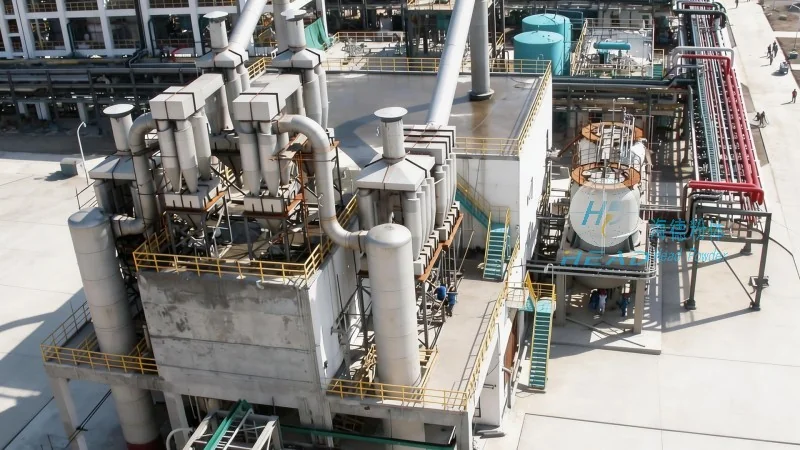
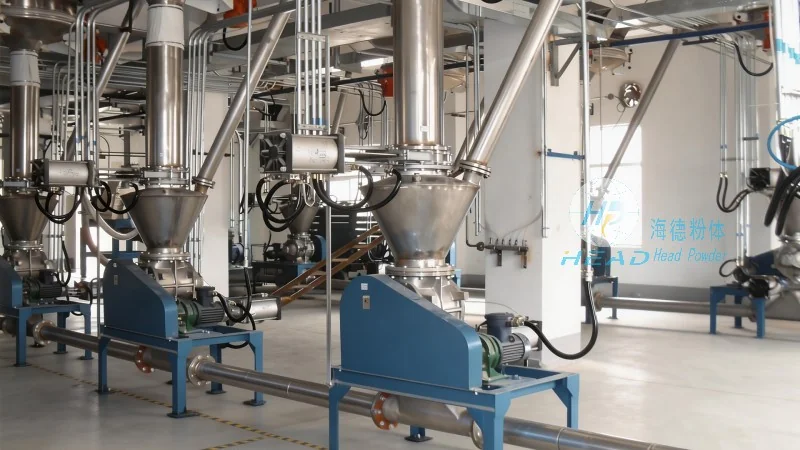
The pneumatic conveying system for lithium-ion battery anode materials operates on the principle of transporting bulk materials through a pipeline using a gas stream, typically air or other gases. This method eliminates the need for mechanical components like conveyors or elevators, offering a more flexible and efficient solution for material transport in battery manufacturing facilities. The system comprises several key components, including a material feeder, a conveying line, a control unit, and a dust collection system, all working in tandem to ensure reliable and continuous material flow.
Key Components and Their Functions
1. Material Feeder: This component is responsible for feeding the anode material into the conveying line at a controlled rate. It ensures a consistent flow of material, preventing blockages and maintaining system efficiency. The feeder is designed to handle various types of anode powders, such as graphite or silicon-based materials, with minimal degradation of the material's properties.
2. Conveying Line: The pipeline system, often made of stainless steel or other corrosion-resistant materials, is the main channel through which the material is transported. The design of the line, including bends, expansions, and reductions, is critical to maintaining the material's velocity and preventing deposition or clogging. Proper line sizing and configuration are essential to achieve optimal conveying performance.
3. Control Unit: This unit manages the operation of the entire system, including the air pressure, flow rate, and material feed rate. Advanced control systems, such as PLC (Programmable Logic Controller) or SCADA (Supervisory Control and Data Acquisition), enable real-time monitoring and adjustment of the conveying process, ensuring safety and efficiency. The control unit also includes safety features to prevent over-pressurization or material blockages.
4. Dust Collection System: As anode materials are often fine powders, a dust collection system is integrated to capture and filter airborne particles, ensuring environmental compliance and workplace safety. This system typically includes a cyclone separator and a filter baghouse, which effectively remove dust from the air before it is released into the environment.
Operational Principles and Efficiency
The pneumatic conveying system operates by creating a pressure differential between the inlet and outlet of the conveying line. The material is suspended in the gas stream and transported through the pipeline. The velocity of the gas is maintained above the material's terminal velocity to prevent settling and ensure smooth transport. The system's efficiency is influenced by several factors, including the type of material, particle size, moisture content, and the design of the conveying line. Proper system design and maintenance are crucial to achieve high conveying rates and minimize energy consumption.
Advantages of Pneumatic Conveying for Battery Anode Materials
Implementing a pneumatic conveying system for lithium-ion battery anode materials offers several advantages over traditional mechanical conveying methods. These include:
1. Reduced Material Degradation: The absence of mechanical components minimizes the risk of particle attrition or contamination, preserving the material's quality and performance.
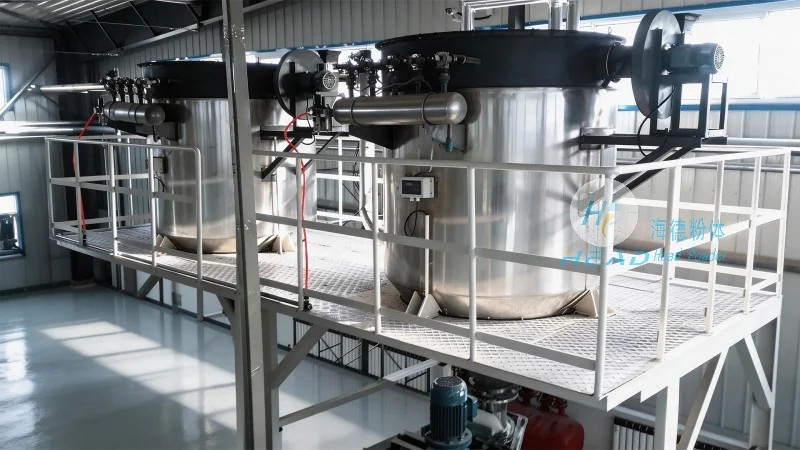
2. Improved Safety: The enclosed system prevents dust exposure and reduces the risk of fire or explosion, which are common hazards in battery material handling.
3. Enhanced Flexibility: Pneumatic conveying systems can be easily reconfigured or expanded to accommodate changes in production volume or material types, providing long-term adaptability.
4. Lower Maintenance Costs: With fewer moving parts compared to mechanical conveyors, the system requires less maintenance, reducing downtime and operational costs.
Application in Lithium-Ion Battery Production
The pneumatic conveying system is widely used in the production of lithium-ion batteries to transport anode materials from storage to processing units, such as mixing and coating lines. The system ensures a continuous and reliable supply of raw materials, which is critical for maintaining production efficiency and meeting demand. By integrating the system with other production processes, manufacturers can achieve seamless material flow and improve overall production throughput.
Conclusion
HeadPowder Engineering Co., Ltd. provides comprehensive solutions for pneumatic conveying systems tailored to the specific needs of lithium-ion battery anode material handling. By understanding the fundamental principles and components of such systems, manufacturers can optimize their material transport processes, enhance operational efficiency, and ensure compliance with industry standards. The company’s expertise in engineering and material handling ensures that clients receive reliable and effective solutions that support their production goals.