Understanding the core principles of a sodium glutamate pneumatic conveying system is essential for optimizing material handling in food processing industries. This system leverages compressed air or other gas to transport granular or powdered materials, such as sodium glutamate, through a network of pipes. The technology offers a efficient, hygienic, and flexible solution for moving bulk materials, particularly in applications where traditional methods like belt conveyors or bucket elevators may be less suitable.
Key Components and Operational Mechanism
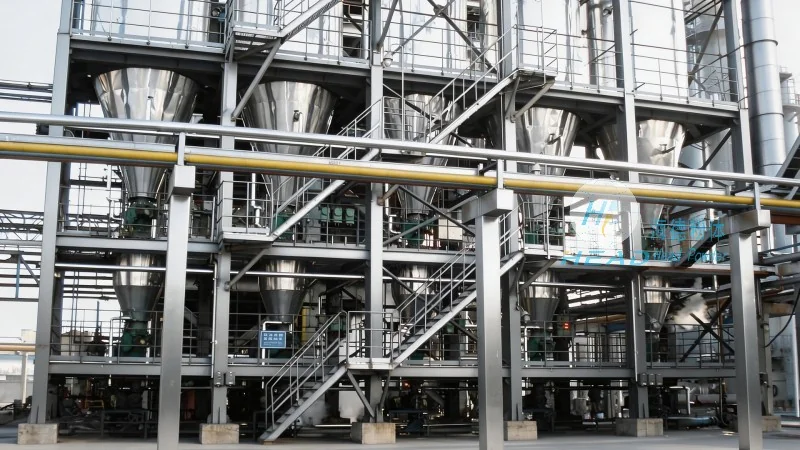
The pneumatic conveying system for sodium glutamate typically consists of several critical components, each playing a vital role in the material transport process. The primary elements include a gas source (usually a blower or compressor), a hopper or feed hopper to store the material, a conveying line (often made of stainless steel to prevent contamination and corrosion), and a discharge point or receiver. The system operates by introducing air or gas into the conveying line, creating a pressure differential that propels the sodium glutamate particles forward. The ratio of air to material (known as the air-to-solid ratio) is carefully controlled to ensure optimal flow and prevent blockages or excessive pressure drops.
Advantages of Pneumatic Conveying for Sodium Glutamate
When compared to other material handling methods, pneumatic conveying systems offer several distinct advantages for handling sodium glutamate. First, they provide a fully enclosed system, which minimizes dust generation and contamination, crucial for maintaining food safety standards. Second, the technology allows for continuous, unattended operation, reducing labor costs and improving production efficiency. Third, the system is highly flexible, enabling the integration of multiple conveying lines and the ability to transport materials over long distances or through complex layouts without the need for multiple transfer points. Additionally, pneumatic conveying can handle materials with varying properties, including those that are hygroscopic or prone to caking, by adjusting the air flow and pressure to maintain consistent material movement.
Material Characteristics and System Design Considerations
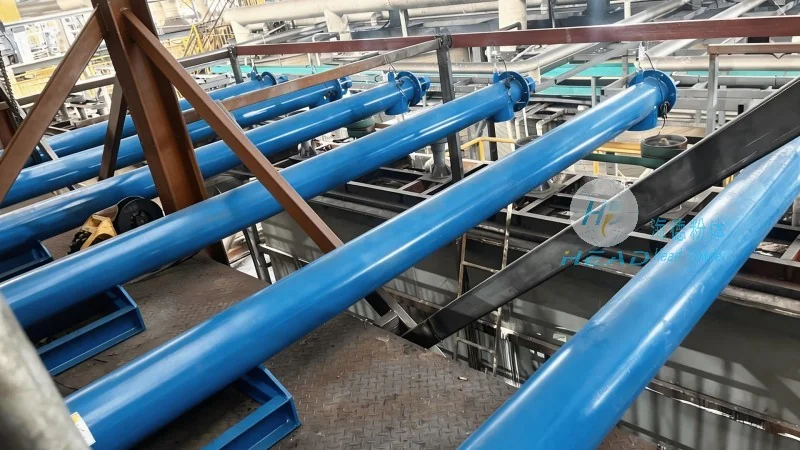
Sodium glutamate, a common flavor enhancer used in the food industry, presents unique challenges for material handling due to its physical properties. The material is often granular or powdered, with a tendency to absorb moisture from the air, which can lead to caking or agglomeration. These characteristics require careful consideration in the design of the pneumatic conveying system. For instance, the hopper and feed mechanism must be designed to prevent material bridging and ensure a consistent feed rate. The conveying line may need to incorporate features such as vibration or agitation to prevent blockages caused by caking. Furthermore, the choice of materials for the system components, particularly the pipes and valves, is critical. Stainless steel is commonly used for the conveying line and associated equipment due to its corrosion resistance and hygienic properties, ensuring that the system remains clean and safe for food-grade applications.
Application Scenarios and Industrial Use Cases
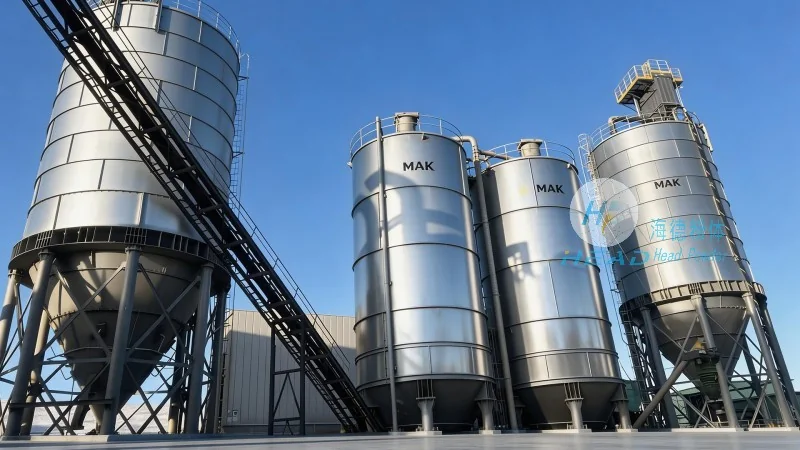
The sodium glutamate pneumatic conveying system is widely used in various stages of the food processing industry. In production facilities, it is employed to transport raw sodium glutamate from storage silos to processing lines, ensuring a steady supply of material for flavoring products. In manufacturing plants, the system can be integrated into automated production lines, where it connects different processing units, such as mixing, packaging, and quality control stations. Additionally, the system is used in bulk handling operations, such as transferring sodium glutamate from a warehouse to a loading dock for distribution to retail outlets or other food processing facilities. The flexibility of the pneumatic conveying system allows it to adapt to different production volumes and operational requirements, making it a versatile solution for industrial applications.
About Shandong HeadPowder Engineering Co., Ltd.
As a leading manufacturer in the field of engineering solutions for bulk material handling, Shandong HeadPowder Engineering Co., Ltd. specializes in designing and supplying customized pneumatic conveying systems tailored to the specific needs of clients. With years of experience in the industry, the company has developed a deep understanding of the challenges associated with handling materials like sodium glutamate and has refined its technology to deliver efficient, reliable, and cost-effective solutions. The company's team of engineers and technicians work closely with clients to assess their material handling requirements, provide technical consultations, and design systems that meet the highest standards of performance and safety. HeadPowder's commitment to quality and innovation has established it as a trusted partner for businesses seeking to optimize their material handling processes and improve overall operational efficiency.




