

Principle of Positive and Negative Electrode Material Pneumatic Conveying Systems
HeadPowder, a leading provider in the battery material processing industry, specializes in the design and implementation of advanced pneumatic conveying systems tailored for the transportation of positive and negative electrode materials. These systems are crucial in modern battery manufacturing, ensuring efficient, safe, and reliable material handling from raw material storage to production lines. The following overview details the fundamental principles and operational aspects of such systems, highlighting their importance in optimizing battery production processes.
Core Principles of Pneumatic Conveying Technology
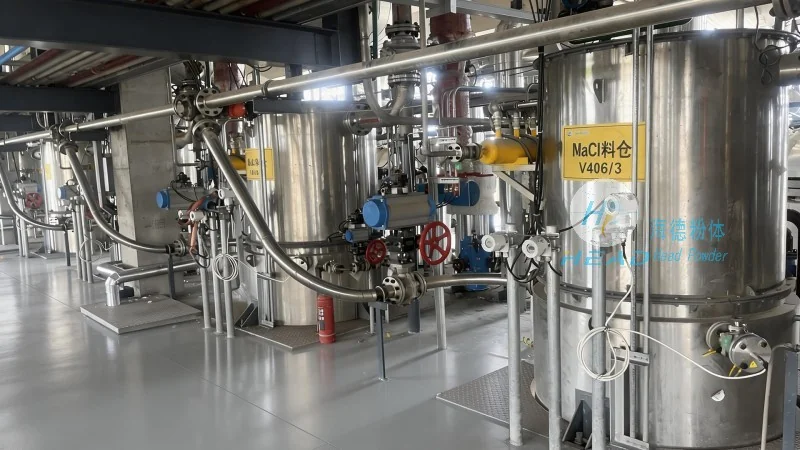
The pneumatic conveying system operates on the principle of using compressed air to transport bulk materials through a pipeline network. In the context of battery electrode materials, this technology enables the movement of powders such as lithium iron phosphate (LFP), lithium nickel manganese cobalt oxide (NMC), and other active materials. The system typically consists of several key components: a material feed hopper, a pressure or vacuum source, a conveying line, and a discharge or collection unit. The compressed air creates a flow that lifts and propels the material particles through the pipeline, minimizing material degradation and ensuring consistent flow rates. This method is preferred over traditional mechanical conveying due to its ability to handle fine powders without the risk of blockages or contamination.
System Components and Their Functions
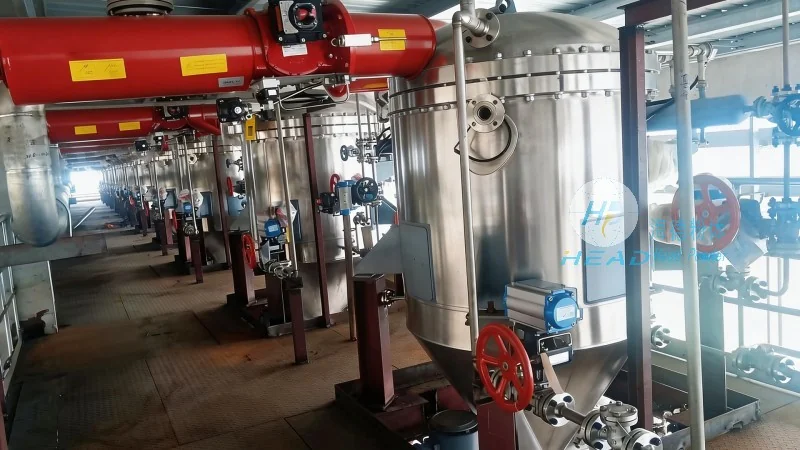
Each component of the pneumatic conveying system plays a critical role in ensuring efficient material transport. The material feed hopper is designed to store and meter the electrode material, controlling the flow rate into the system. It often includes a rotary valve or feeder to regulate the discharge of material into the conveying line. The pressure source, which can be a blower or a vacuum pump, generates the necessary air pressure or vacuum to move the material. The conveying line, usually made of stainless steel or other corrosion-resistant materials, is engineered to withstand the abrasive nature of battery powders and maintain airtight integrity. The discharge unit, such as a cyclone separator or a filter, separates the material from the air stream, allowing for clean material collection and air recycling. These components work in tandem to create a seamless material handling process that is both efficient and cost-effective.
Advantages of Pneumatic Conveying for Battery Materials
Implementing pneumatic conveying systems for positive and negative electrode materials offers several significant advantages. Firstly, it provides a dust-free and hygienic environment, which is essential for maintaining material purity and preventing contamination in battery production. Unlike mechanical systems that may generate dust and require additional filtration, pneumatic conveying minimizes airborne particles, reducing the risk of material degradation and improving product quality. Secondly, the system is highly flexible, allowing for the transportation of materials over long distances and through complex layouts without the need for multiple transfer points. This flexibility is particularly valuable in large-scale battery manufacturing facilities where material movement between different production stages is required. Thirdly, pneumatic conveying systems are energy-efficient compared to traditional methods, as they use compressed air efficiently and can be optimized for low energy consumption. Additionally, the system is capable of handling a wide range of material properties, including fine powders and abrasive materials, without causing wear or damage to the equipment.
Application in Battery Manufacturing Processes
The pneumatic conveying system is integral to various stages of battery manufacturing, from raw material handling to finished product assembly. In the initial stages, the system transports raw materials such as lithium compounds, nickel, manganese, and cobalt to the mixing and blending units. This ensures that the materials are delivered in the correct proportions and without degradation. During the electrode production phase, the system moves the mixed electrode slurry or dry powder to the coating and drying equipment. The consistent flow provided by the pneumatic system ensures uniform coating thickness and drying efficiency, which are critical factors in the quality of the final electrode. Finally, the system can transport the finished electrode materials to the cell assembly lines, where they are integrated into the battery modules. Throughout these stages, the system maintains material integrity and prevents cross-contamination, contributing to the overall quality and reliability of the battery products.
Company Profile: Shandong HeadPowder Engineering Co., Ltd.
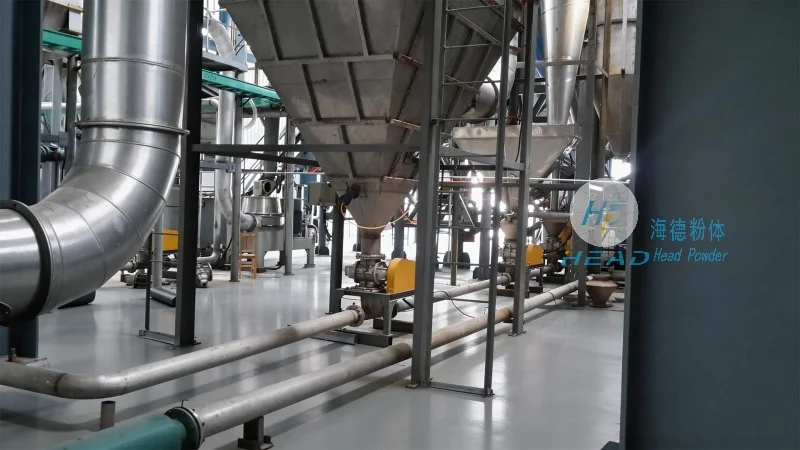
Shandong HeadPowder Engineering Co., Ltd., operating under the brand name HeadPowder, is a specialized engineering company dedicated to the development and implementation of advanced material handling solutions for the battery industry. With a focus on innovation and customer-centric design, HeadPowder provides customized pneumatic conveying systems tailored to the specific needs of battery manufacturers. The company’s team of engineers and technicians has extensive experience in the battery material processing sector, ensuring that each system is designed to meet the highest standards of efficiency, safety, and reliability. HeadPowder’s commitment to quality is reflected in its adherence to international manufacturing standards and rigorous testing protocols, which guarantee the performance and longevity of its conveying systems. The company’s facilities in Shandong, China, are equipped with state-of-the-art technology and equipment, enabling the production of high-quality systems that meet the demanding requirements of modern battery production.
Conclusion and Service Offerings
HeadPowder’s pneumatic conveying systems for positive and negative electrode materials represent a sophisticated solution to the challenges of material handling in battery manufacturing. By leveraging advanced pneumatic technology, these systems enhance production efficiency, improve material quality, and reduce operational costs. The company’s expertise in system design, installation, and maintenance ensures that clients receive comprehensive support throughout the entire lifecycle of their conveying systems. Whether for new facility installations or upgrades to existing production lines, HeadPowder provides tailored solutions that address the unique needs of each client. With a focus on innovation and customer satisfaction, HeadPowder continues to be a trusted partner in the battery industry, delivering reliable and efficient material handling solutions that contribute to the success of its clients.