

What is a PTA Powder Material Handling System? What are its Design Principles?
PTA (Polyethylene Terephthalate Acid) powder material handling systems are critical in industrial applications where the efficient and safe transport of PTA powder is essential. These systems are designed to handle the unique characteristics of PTA powder, such as its fine particle size, hygroscopic nature, and potential for dust generation. The primary goal of a PTA powder handling system is to ensure reliable, low-dust, and energy-efficient material transport from storage to processing units.
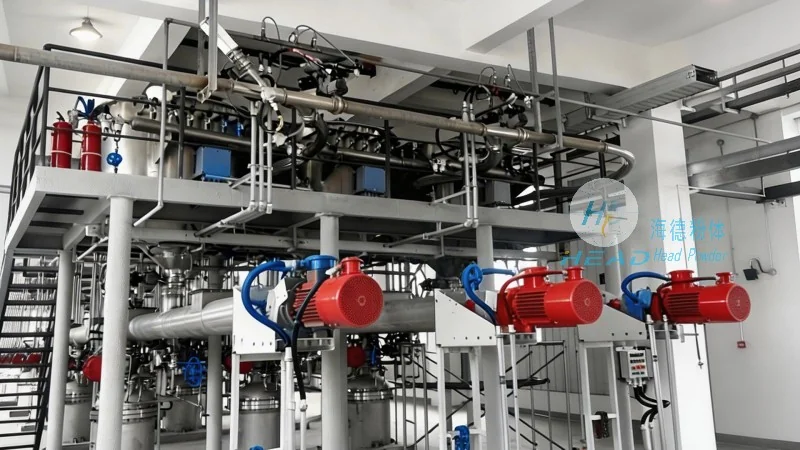
HeadPowder, a leading provider in the field, specializes in the design and manufacturing of advanced PTA powder handling solutions. With a strong presence in Shandong, China, the company leverages decades of experience to deliver systems that meet the stringent requirements of modern PTA processing facilities. The core of any PTA powder handling system lies in its design principles, which are tailored to address the specific challenges associated with PTA powder properties.
Key Design Principles for PTA Powder Handling Systems
The design of a PTA powder handling system is guided by several key principles to ensure optimal performance and safety. First, the system must incorporate effective dust control measures. PTA powder is prone to creating airborne dust, which can pose health risks and affect process efficiency. Therefore, systems typically include dust collection and filtration components, such as cyclones, baghouses, or cartridge filters, to minimize dust emissions. Additionally, the use of sealed and enclosed equipment, like pneumatic conveyors or screw conveyors with dust-tight housings, is crucial to maintain a clean working environment.
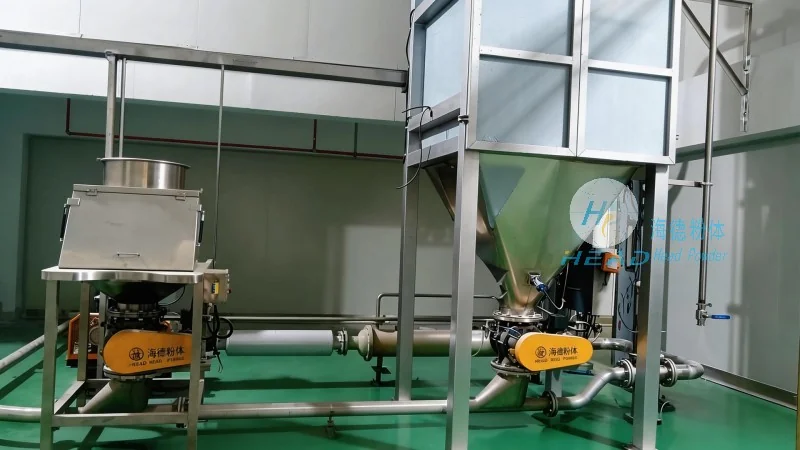
Second, the system must consider the hygroscopic nature of PTA powder. PTA is susceptible to moisture absorption, which can lead to caking and blockages in the conveying system. To mitigate this, the design often includes drying or dehumidification components, such as heated air or desiccant systems, to maintain the powder in a dry state. This ensures smooth flow and prevents system downtime due to clogs.
Third, the system must prioritize material flow and pressure drop management. Efficient PTA powder handling requires maintaining consistent flow rates while minimizing pressure drop across the system. This is achieved through the selection of appropriate conveyor types, such as positive displacement blowers for pneumatic systems or variable speed drives for mechanical conveyors. Properly sized ductwork and components also play a vital role in reducing energy consumption and ensuring reliable operation.
Components of a Typical PTA Powder Handling System
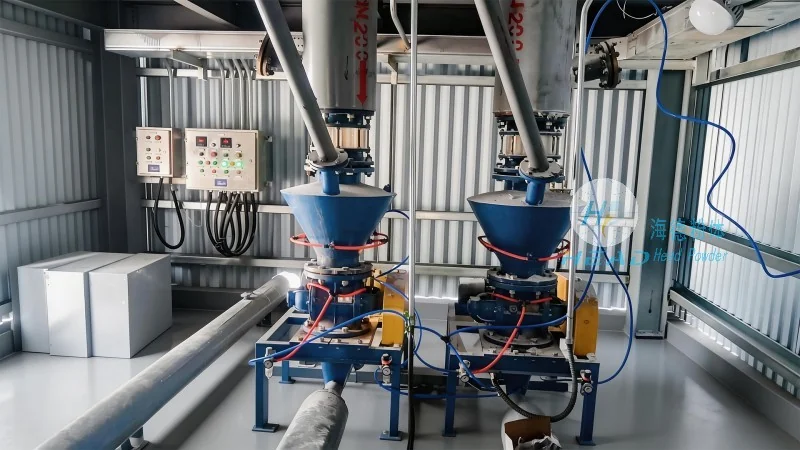
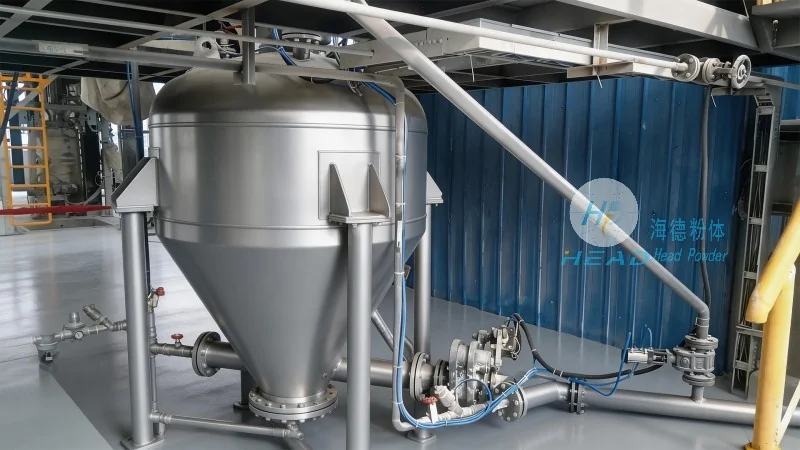
A standard PTA powder handling system consists of several interconnected components that work together to achieve the desired material transport. The primary components include a storage hopper or silo, a feeder (such as a rotary valve or screw feeder) to control the flow of powder from the storage, a conveying system (either pneumatic or mechanical), and a receiving hopper or processing unit. The storage hopper is typically designed with a conical bottom to facilitate uniform discharge and prevent material bridging or arching, which are common issues with fine powders like PTA.
The feeder is responsible for regulating the flow rate of PTA powder from the storage hopper to the conveying system. It ensures a consistent and controlled feed, preventing surges or blockages that could disrupt the entire system. The conveying system is the heart of the material handling process, responsible for transporting the PTA powder from the feeder to the processing unit. Pneumatic conveyors, which use compressed air to move the powder, are commonly used due to their ability to handle fine powders and provide dust-free transport. Mechanical conveyors, such as screw or belt conveyors, are also used for horizontal or vertical transport, depending on the layout of the facility.
The receiving hopper or processing unit is where the PTA powder is delivered for further processing, such as blending or compounding. It is designed to accommodate the flow of powder from the conveying system and ensure a smooth transition to the next stage of the production process. The entire system is often equipped with sensors and control systems to monitor flow rates, pressure, and other critical parameters, allowing for real-time adjustments and maintenance.
Advantages of Advanced PTA Powder Handling Systems
Modern PTA powder handling systems offer several advantages over traditional methods, making them essential for efficient industrial operations. One key advantage is improved dust control, which not only enhances workplace safety but also reduces the risk of product contamination. By minimizing dust emissions, these systems help maintain product quality and comply with environmental regulations. Additionally, the use of advanced materials and design techniques reduces the likelihood of clogging and blockages, leading to lower maintenance costs and increased system uptime.
Another advantage is energy efficiency. Advanced systems utilize optimized components, such as variable speed drives and efficient blowers, to reduce energy consumption while maintaining high performance. This not only lowers operational costs but also contributes to a more sustainable industrial operation. Furthermore, the modular design of many PTA powder handling systems allows for easy expansion or modification as production needs change, providing flexibility for growing businesses.