Bone meal, a nutrient-rich byproduct from the animal processing industry, is widely used in agriculture as a natural fertilizer. Efficient and reliable transportation of bone meal is crucial for maintaining its quality and ensuring consistent supply to agricultural operations. A bone meal material handling system is a specialized setup designed to transport, store, and distribute bone meal from production facilities to end-users. This system integrates various components such as conveyors, storage silos, and processing equipment to optimize the handling process. The design of such a system must consider factors like material properties, operational efficiency, and safety standards to meet the demands of modern agricultural practices.
Key Components of a Bone Meal Material Handling System
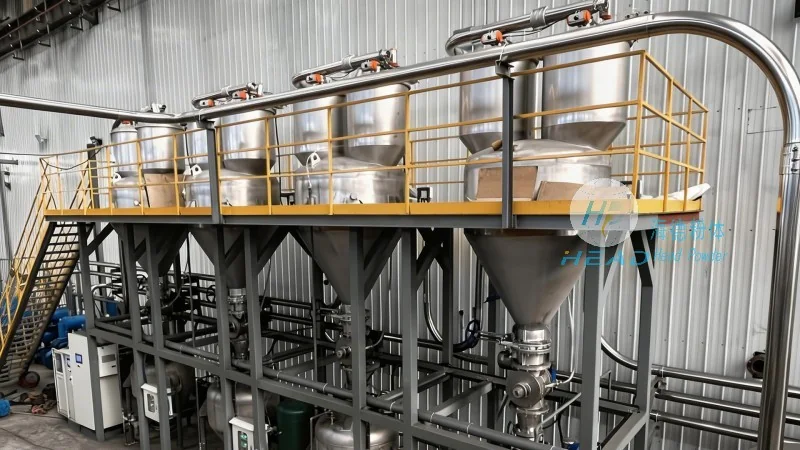
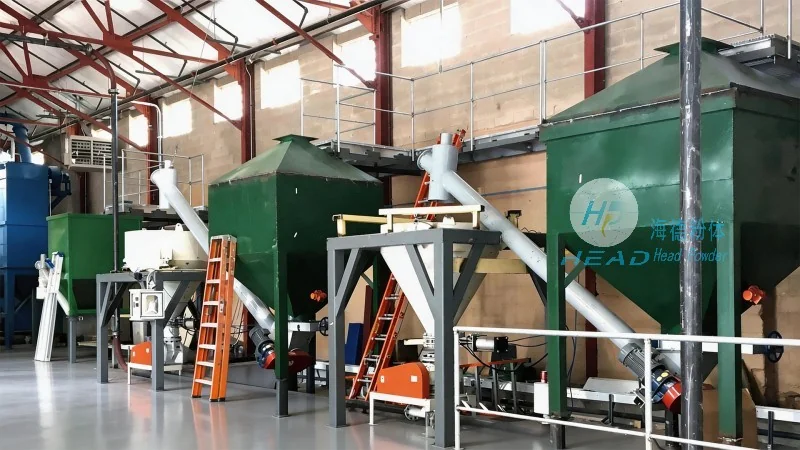
The core components of a bone meal material handling system include: Conveying Equipment, Storage Silos, Processing Units, and Control Systems. Conveying equipment, typically in the form of screw conveyors or pneumatic systems, is used to move bone meal from processing areas to storage silos. Screw conveyors are preferred for their ability to handle bulk materials with minimal segregation, while pneumatic systems are suitable for fine powders that require dust control. Storage silos are designed to store large quantities of bone meal, often with a capacity ranging from 50 to 500 tons, and are equipped with aeration systems to maintain material quality and prevent spoilage. Processing units may include grinding or mixing equipment to adjust the particle size and nutrient composition of the bone meal as per specific agricultural requirements. Control systems, often integrated with sensors and automation technology, monitor the flow of material, detect blockages, and adjust operational parameters to ensure smooth and safe operation.
Design Principles for Optimal Performance
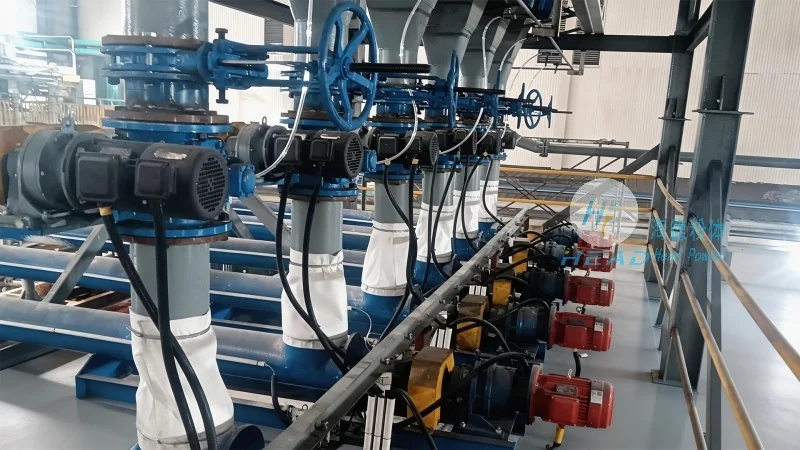
The design of a bone meal material handling system follows several key principles to ensure efficiency, reliability, and safety. First, material compatibility is critical. Bone meal is a hygroscopic material, meaning it absorbs moisture from the air, which can lead to clumping and reduced quality. Therefore, the system must incorporate drying and moisture control measures, such as aeration in silos and moisture sensors in the conveying lines. Second, flow control is essential to prevent material buildup and ensure consistent delivery. This involves using variable speed drives on conveyors, adjustable gate valves, and level sensors in silos to regulate the flow rate. Third, safety considerations are paramount. The system must comply with industrial safety standards, including explosion-proof designs for pneumatic systems, proper ventilation to prevent dust accumulation, and emergency stop mechanisms to protect operators. Fourth, energy efficiency is a key design goal. The use of energy-efficient motors, variable frequency drives, and optimized conveyor designs reduces operational costs and environmental impact. Finally, scalability is important for accommodating future growth in production or demand. The system should be designed with modular components that can be easily expanded or modified to meet changing needs.
Applications and Benefits of Bone Meal Material Handling Systems
Bone meal material handling systems are widely used in the agricultural sector, particularly in regions where organic fertilizers are in high demand. The systems are also utilized in animal feed production, where bone meal is a key ingredient for providing essential minerals like calcium and phosphorus. The benefits of using such a system include improved product quality through consistent handling, reduced labor costs due to automation, and enhanced safety for operators. Additionally, the systems contribute to environmental sustainability by minimizing waste and ensuring efficient use of resources. For agricultural operations, the ability to store and distribute bone meal in bulk reduces transportation costs and ensures a steady supply of nutrient-rich fertilizer, which is vital for maintaining soil health and crop productivity.
Conclusion: The Importance of a Well-Designed System
In conclusion, a bone meal material handling system is a critical component in the production and distribution of bone meal, a valuable agricultural resource. The design principles outlined above, including material compatibility, flow control, safety, energy efficiency, and scalability, are essential for creating a system that meets the demands of modern agricultural practices. By investing in a well-designed system, companies can ensure the efficient and safe handling of bone meal, ultimately contributing to sustainable agricultural development. Shandong HeadPowder Engineering Co., Ltd., a leading provider of material handling solutions, specializes in designing and manufacturing customized bone meal material handling systems tailored to the specific needs of agricultural and animal feed industries. With a focus on quality, efficiency, and safety, the company has established itself as a trusted partner in the supply of reliable material handling equipment for bone meal processing.




