

What is Furfural Ash Slag Material Handling? What Are the Design Principles?
Furfural ash slag material handling is a specialized process critical to industrial operations, particularly in facilities that produce furfural and related byproducts. This article delves into the core aspects of furfural ash slag material handling, including the essential design principles that ensure safe, reliable, and efficient transport of this unique waste material. The discussion will cover technical considerations, equipment selection, and operational strategies vital for managing furfural ash slag in industrial settings.
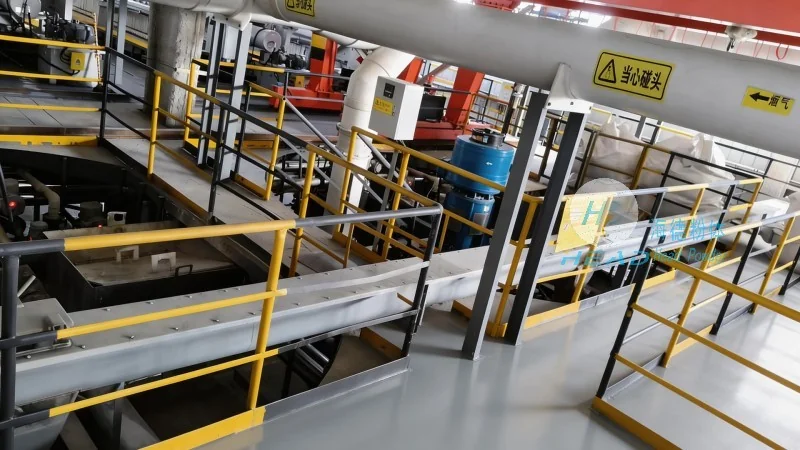
Introduction to Furfural Ash Slag Material Handling
Furfural ash slag, a byproduct of furfural production, requires specialized handling due to its high temperature, abrasive nature, and potential for dust or fume generation. Proper material handling is essential for operational efficiency, worker safety, and environmental compliance. The design of furfural ash slag material handling systems must address these challenges through careful engineering and equipment choices.
Key Design Principles for Furfural Ash Slag Material Handling
The design of furfural ash slag material handling systems is guided by several critical principles to ensure effectiveness and longevity. These include:
1. Temperature Management: Furfural ash slag is often produced at elevated temperatures, which can affect material properties and equipment performance. Designing systems with heat-resistant components, such as high-temperature conveyor belts and idlers, is fundamental. Cooling mechanisms or temperature control measures may also be integrated to maintain optimal operating conditions and prevent equipment damage.
2. Abrasion Resistance: The abrasive nature of furfural ash slag leads to rapid wear on handling equipment. Selecting wear-resistant materials like hardened steel or specialized coatings is essential. Impact-resistant components and protective barriers are also incorporated to extend equipment lifespan and reduce maintenance costs.
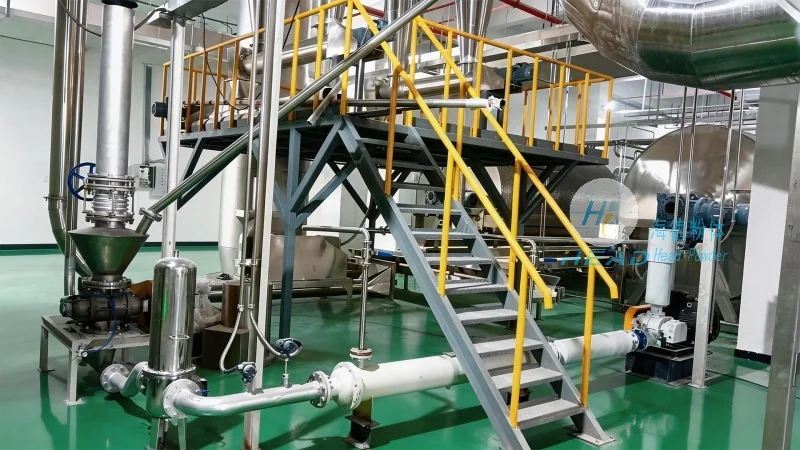
3. Dust and Fume Control: Furfural ash slag can generate dust and hazardous fumes during handling. Implementing effective dust suppression and fume extraction systems is a critical design principle. Enclosed conveyor systems, dust collection hoods, and filtration units are used to minimize airborne particles and ensure a safe working environment.
4. Material Flow Optimization: The system design must optimize material flow from source to disposal or processing point. Analyzing material properties (bulk density, flowability) determines the most efficient conveyor type (e.g., belt conveyors, screw conveyors, or pneumatic systems). Layout considerations minimize transport distance and complexity, reducing energy use and operational costs.
5. Safety and Compliance: Ensuring worker safety and regulatory compliance is paramount. Safety features like emergency stop mechanisms and moving part guarding are included. The system must meet local and international standards for waste handling and emissions control.
Equipment Selection for Furfural Ash Slag Material Handling
Choosing appropriate equipment is key to an effective system, based on material properties and operational needs. Common equipment includes:
1. Belt Conveyors: Widely used for high-temperature, abrasive materials. Heat-resistant belts and idlers handle long-distance transport. Configurations (inclined/horizontal) match facility layouts.
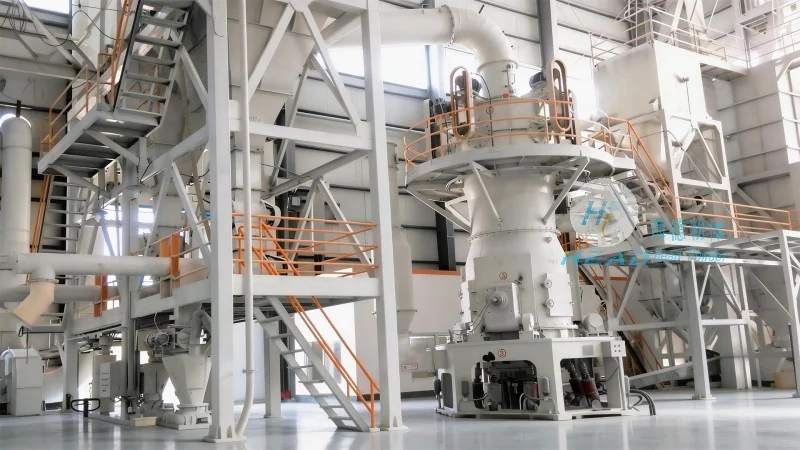
2. Screw Conveyors: Suitable for vertical/horizontal transport of smaller quantities. Enclosed systems control dust and fumes. Equipped with temperature sensors for moisture monitoring.
3. Pneumatic Conveying Systems: Used for flexible or fine particle transport. Air pressure moves material through pipelines, reducing mechanical wear. Requires careful design to prevent blockages.
4. Grinding and Crushing Equipment: For material size reduction before processing or disposal. Integrated into material flow to ensure consistent product size.
Operational Strategies for Efficient Furfural Ash Slag Material Handling
Effective operational strategies maximize system performance and longevity:
1. Regular Maintenance: Comprehensive maintenance schedules prevent failures, reduce downtime, and extend lifespan. Routine inspections, part replacement, and dust system cleaning are standard.
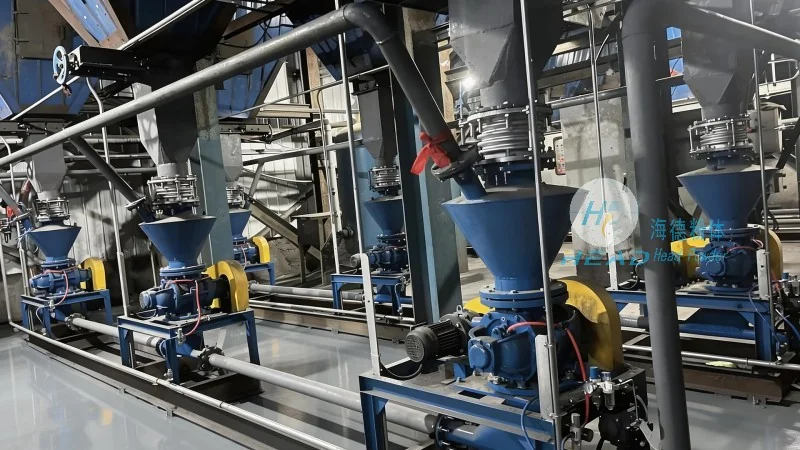
2. Monitoring and Control: Sensors monitor temperature, pressure, and flow. Real-time data adjusts system parameters (e.g., conveyor speed, air pressure) to prevent overloading or blockages.
3. Training and Safety Protocols: Operators receive training on equipment operation, emergency procedures, and safety guidelines. Regular safety drills minimize accident risks.
4. Environmental Management: Measures control dust emissions, treat fumes, and ensure proper disposal. The system supports sustainable practices by minimizing waste and maximizing resource recovery.
Conclusion
The material handling of furfural ash slag is a complex process requiring careful consideration of material properties and operational needs. By adhering to key design principles, selecting appropriate equipment, and implementing effective operational strategies, industrial facilities can ensure safe, efficient, and cost-effective transport of furfural ash slag. Companies like Shandong HeadPowder Engineering Co., Ltd. provide tailored solutions, leveraging expertise to design and implement systems that meet specific furfural production facility requirements. Proper planning and execution contribute to overall operational efficiency and sustainability in industrial processes.