

Principle of Cement and Mineral Powder Pneumatic Conveying Equipment
Efficient material handling is a critical component in the production and processing of cement and mineral powders. Among the various methods available, pneumatic conveying stands out as a highly effective solution for transporting these fine and often abrasive materials. Understanding the underlying principles of such equipment is essential for optimizing operations and ensuring reliable performance in industrial settings.
Introduction to Pneumatic Conveying Systems
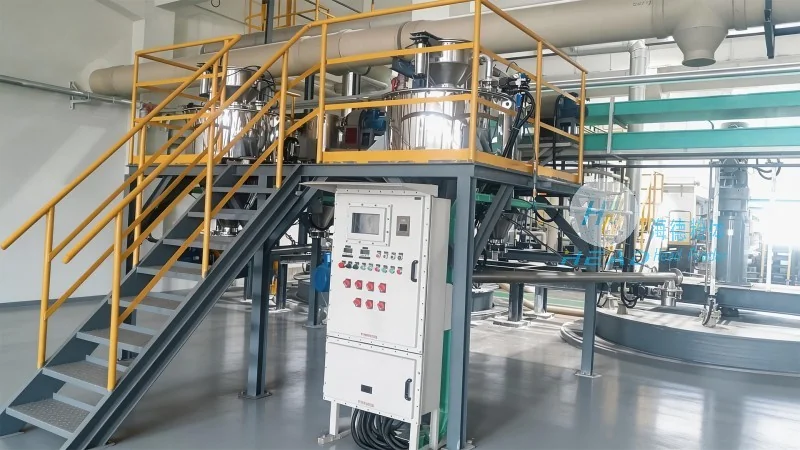
Pneumatic conveying systems utilize air or gas to transport bulk materials through a network of pipes. This method is particularly well-suited for cement, fly ash, and other mineral powders due to its ability to handle fine particles and minimize material degradation during transport. The core of these systems lies in the interaction between the material, the conveying medium, and the equipment components designed to facilitate this process.
Key Components and Their Roles
The operation of a pneumatic conveying system for cement and mineral powders involves several key components, each playing a vital role in the overall functionality. These components typically include a material feed hopper, a conveyor line (either positive or negative pressure), a separator or filter to remove air from the material stream, and a discharge mechanism for the final product. The feed hopper ensures a consistent and controlled flow of material into the system, preventing blockages and maintaining steady operation. The conveyor line, which can operate under positive pressure (where air is forced through the material) or negative pressure (where air is drawn through the material), is the primary pathway for material transport. The separator is crucial for separating the conveyed material from the air, ensuring that the final product is free of contaminants and that the air can be recycled or vented as needed. Finally, the discharge mechanism allows the processed material to be deposited in the desired location, completing the conveying process.
Working Principle of the Equipment
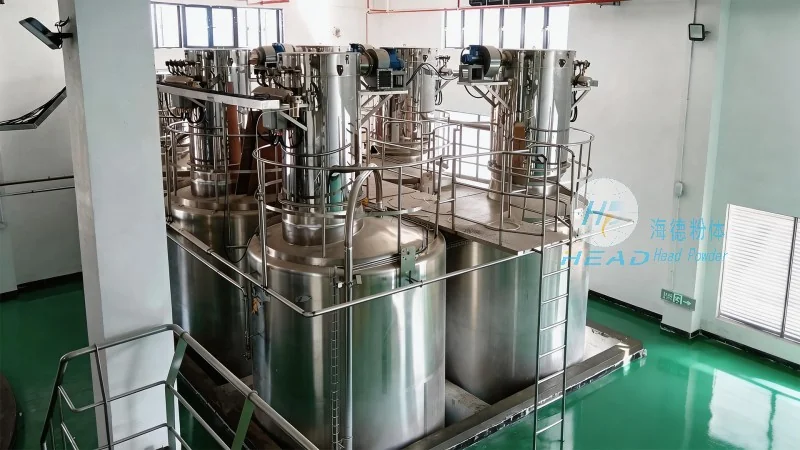
At the heart of the pneumatic conveying equipment for cement and mineral powders is the principle of fluidization and suspension. When air is introduced into the material at a sufficient velocity, the particles become suspended in the air stream, forming a homogeneous mixture known as a "pneumatic slurry." This suspension allows the material to be transported through the pipeline with minimal friction and abrasion, which is especially important for delicate or abrasive powders. The velocity of the air is carefully controlled to ensure that the particles remain suspended without settling or causing blockages. The system typically operates by creating a pressure differential between the inlet and outlet of the conveyor line. In positive pressure systems, the air is forced from the material source through the pipeline to the discharge point, while negative pressure systems draw air and material from the source and expel it at the discharge point. The choice between positive and negative pressure depends on factors such as the distance to be covered, the material characteristics, and the environmental requirements of the application.
Advantages of Pneumatic Conveying for Cement and Mineral Powders
Implementing pneumatic conveying systems for cement and mineral powders offers numerous advantages over traditional methods like belt conveyors or bucket elevators. One of the most significant benefits is the reduction in material handling time and labor costs. The continuous and automated operation of pneumatic systems allows for high throughput rates, which can increase overall production efficiency. Additionally, pneumatic conveying minimizes material degradation by avoiding direct contact with mechanical components, such as belts or buckets, which can cause abrasion or breakage of fine particles. This is particularly important for cement, where particle size and uniformity are critical for quality. Another key advantage is the improved safety and hygiene in the workplace. Pneumatic systems are enclosed, preventing dust emissions and protecting workers from exposure to harmful powders. This also helps in maintaining a cleaner environment and complying with environmental regulations. Furthermore, the flexibility of pneumatic conveying allows for easy integration into existing production lines and the ability to transport materials over long distances without the need for multiple transfer points or intermediate storage.
Application-Specific Considerations
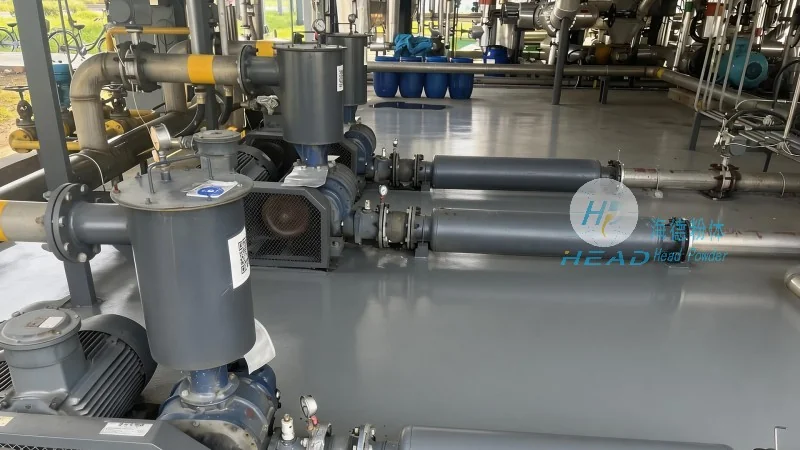
When designing pneumatic conveying equipment for cement and mineral powders, several application-specific factors must be considered to ensure optimal performance. The first is the particle size and density of the material, as these characteristics affect the required air velocity and pressure. For example, finer particles may require higher air velocities to maintain suspension, while denser materials may need more pressure to overcome friction in the pipeline. The distance between the material source and the discharge point is another critical factor, as it determines the type of system (e.g., short-distance positive pressure or long-distance negative pressure) and the necessary power requirements. Additionally, the environmental conditions, such as temperature and humidity, can impact the system's performance and the need for additional components like heaters or humidifiers. Finally, the desired discharge characteristics, such as the need for precise control over the material flow rate or the need to prevent material buildup in the pipeline, influence the design of the discharge mechanism and control systems.
HeadPowder Engineering's Expertise in Pneumatic Conveying
Shandong HeadPowder Engineering Co., Ltd., a leading manufacturer in the field of material handling equipment, specializes in the design and production of pneumatic conveying systems tailored to the specific needs of the cement and mineral powder industries. With years of experience and a deep understanding of the technical challenges involved, HeadPowder provides customized solutions that enhance operational efficiency and product quality. The company's engineers work closely with clients to analyze their unique requirements, from material characteristics to production volumes and environmental constraints, to develop systems that meet or exceed industry standards. HeadPowder's commitment to innovation is evident in its use of advanced materials and technologies, such as high-strength stainless steel for corrosion resistance and intelligent control systems for real-time monitoring and adjustment of conveying parameters. These features ensure that the equipment operates reliably and efficiently, even under demanding conditions. The company's facilities in Shandong, China, are equipped with state-of-the-art manufacturing equipment and quality control processes, ensuring that every piece of equipment leaves the factory meeting the highest standards of performance and durability. By partnering with HeadPowder, clients gain access to a comprehensive range of pneumatic conveying solutions, from standard systems to customized designs, all backed by the company's reputation for quality and customer satisfaction.