

[Negative Pressure Vacuum Powder Conveying Line: What It Is and Its Design Principles]
For industrial applications involving the transport of bulk powders, the negative pressure vacuum powder conveying line has emerged as a critical solution. This technology offers a reliable and efficient method for moving powders over varying distances and in diverse environments. Understanding the fundamentals of this system, including its design principles, is essential for industries such as pharmaceuticals, food processing, and chemical manufacturing, where material integrity and safety are paramount.
What Is a Negative Pressure Vacuum Powder Conveying Line?
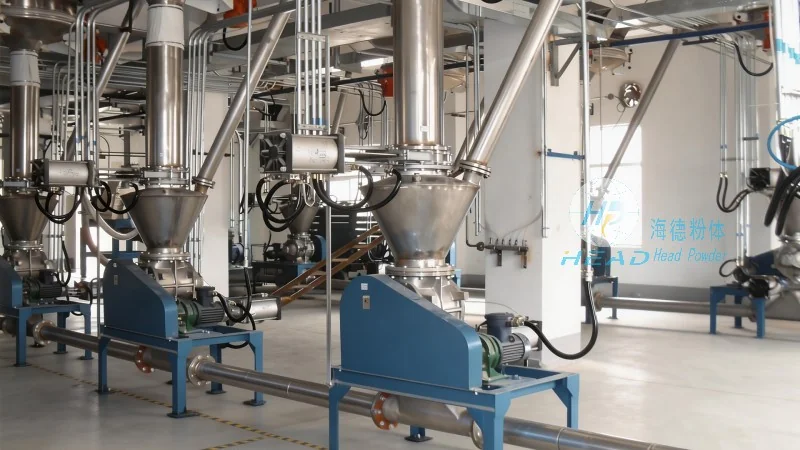
A negative pressure vacuum powder conveying line is a closed-loop system that utilizes a vacuum to draw bulk powders from a source, such as a hopper or storage silo, and transport them to a destination, like a processing unit or storage container. The system operates by creating a pressure differential between the inlet and outlet, where the inlet is under a lower pressure (vacuum) compared to the ambient or outlet pressure. This pressure difference drives the powder flow through the pipeline, ensuring that the material is conveyed without exposure to external contaminants or environmental factors.
Key Components of the System
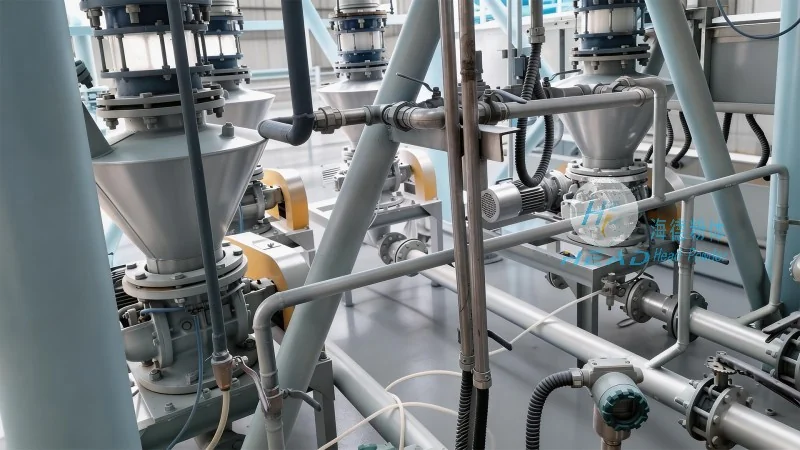
The negative pressure vacuum powder conveying line consists of several key components that work in tandem to ensure efficient operation. These components include a vacuum pump, which generates the necessary vacuum to initiate the conveying process; a filter system to trap and collect any fine particles or dust, preventing contamination and ensuring compliance with regulatory standards; a pipeline network that connects the source and destination points; and a control panel that monitors and regulates the system's performance. Each component plays a vital role in maintaining the integrity of the conveyed material and the overall efficiency of the process.
Design Principles and Operational Mechanics
The design of a negative pressure vacuum powder conveying line is based on several fundamental principles that ensure optimal performance and reliability. The primary design principle is the creation of a consistent and stable vacuum across the entire pipeline. This is achieved by selecting an appropriate vacuum pump with sufficient capacity to handle the volume and type of powder being conveyed. The system's design also considers the material's flow characteristics, such as its density, moisture content, and particle size distribution, to ensure that the conveying velocity and pressure drop are optimized. Additionally, the system incorporates safety features, such as pressure relief valves and emergency shut-off mechanisms, to prevent over-pressurization and ensure operator safety.
Advantages of Using a Negative Pressure Vacuum Conveying System
Implementing a negative pressure vacuum powder conveying line offers numerous advantages for industrial operations. One of the most significant benefits is the ability to transport powders in a closed environment, which minimizes dust emissions and prevents contamination from external sources. This is particularly important in industries where product purity is critical, such as pharmaceuticals and food processing. The system also allows for the conveyance of powders over long distances and at varying elevations, making it suitable for complex layouts and large-scale production facilities. Furthermore, the closed-loop design reduces the risk of material loss and improves overall process efficiency by minimizing downtime and maintenance requirements.
Applications in Various Industries
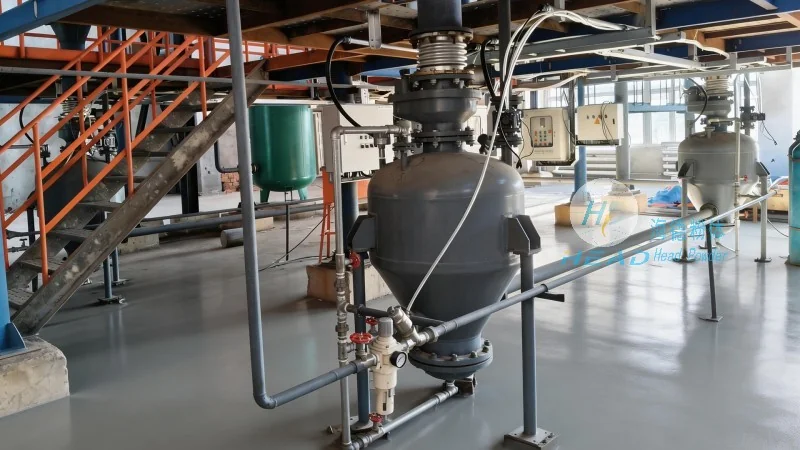
The versatility of negative pressure vacuum powder conveying lines makes them suitable for a wide range of industrial applications. In the pharmaceutical industry, these systems are used to transport active pharmaceutical ingredients (APIs) and excipients with high precision and minimal risk of cross-contamination. In the food processing sector, they are employed to handle powders like flour, sugar, and spices, ensuring that the products remain fresh and free from contamination. The chemical manufacturing industry also utilizes these systems for conveying raw materials and intermediates, particularly in processes where dust control and material purity are essential. Additionally, the system is applicable in the agricultural sector for handling fertilizers and other bulk agricultural products.
Conclusion and Company Overview
Understanding the negative pressure vacuum powder conveying line and its design principles is crucial for industries seeking efficient and safe bulk powder transport solutions. The technology offers a reliable, closed-loop system that minimizes contamination risks and enhances operational efficiency. Shandong HeadPowder Engineering Co., Ltd., a leading provider of powder handling solutions, specializes in designing and manufacturing customized negative pressure vacuum conveying systems tailored to the specific needs of various industries. With its headquarters in Shandong, China, the company leverages advanced engineering and manufacturing capabilities to deliver high-quality, durable, and efficient powder conveying equipment that meets the stringent requirements of modern industrial applications.