

Principle and Working Scene Characteristics of Negative Electrode Material Particle Pneumatic Convey
HeadPowder, a leading engineering firm based in Shandong, China, specializes in the design and implementation of advanced material handling solutions. One of their core offerings is the negative electrode material particle pneumatic conveying line, a sophisticated system engineered to efficiently transport fine powders used in lithium-ion battery production. This article delves into the fundamental principles of such systems and highlights the key operational characteristics that define their effectiveness in industrial settings.
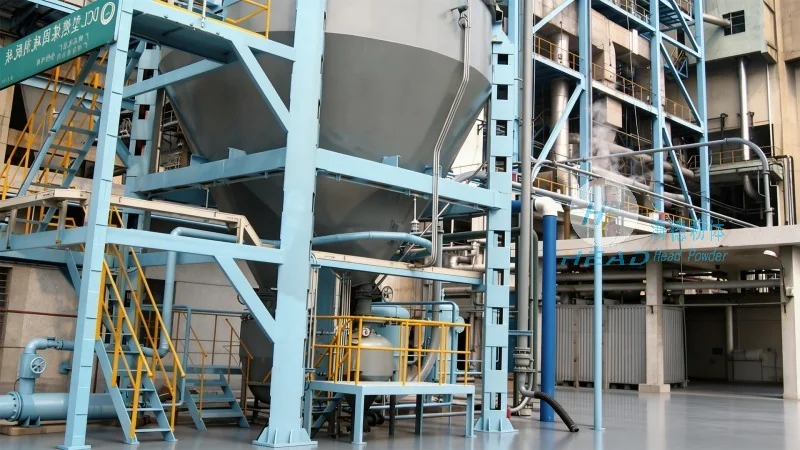
Understanding the Core Principle of Pneumatic Conveying
The pneumatic conveying line operates on the principle of transporting solid particles through a pipeline using a pressurized or vacuum air stream. In the context of negative electrode materials, which are typically fine, abrasive powders, the system must be designed to handle these characteristics while ensuring minimal material degradation and efficient transfer. The process involves several critical components, including a material hopper, a rotary valve for controlled discharge, a conveying pipeline, and a receiver or silo for the final product. The air flow, either generated by a positive pressure blower or a vacuum pump, creates the necessary force to move the particles through the system. The design of the pipeline, including bends and fittings, is optimized to minimize pressure loss and maintain consistent flow rates, which is crucial for maintaining the integrity of the material and preventing clogging or blockages.
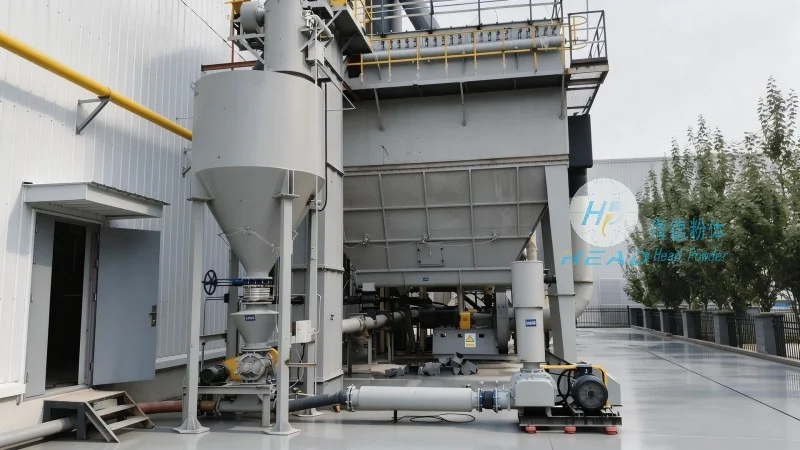
Key Working Scene Characteristics
The working scene characteristics of negative electrode material particle pneumatic conveying lines are tailored to the specific demands of battery manufacturing facilities. These systems are typically integrated into large-scale production lines where high throughput and reliability are paramount. The design accommodates the need for continuous operation, with features such as automatic cleaning mechanisms and redundant components to ensure minimal downtime. The system's ability to handle varying particle sizes and moisture content is another critical characteristic, as negative electrode materials often require precise control over these parameters to meet quality standards. Additionally, the environmental considerations in industrial settings, such as dust control and air filtration, are integral to the design, ensuring compliance with safety and regulatory requirements. The flexibility of the system allows for integration with other production equipment, such as mixing and coating lines, enabling a seamless workflow from raw material handling to final product packaging.
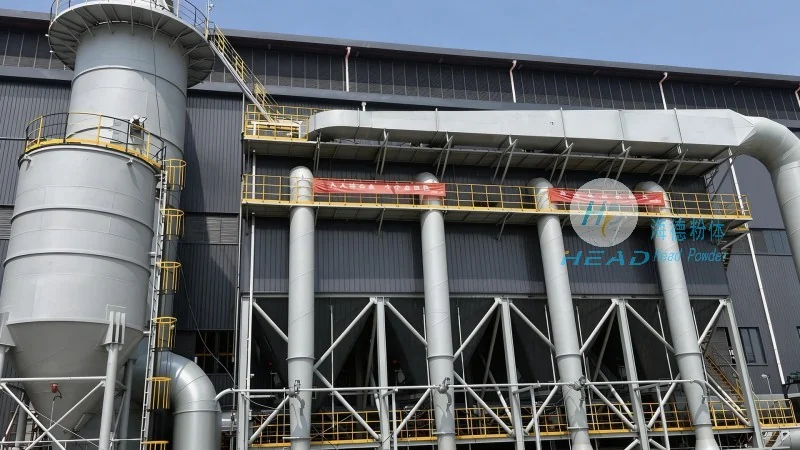
Application-Specific Design and Operational Advantages
HeadPowder's approach to designing negative electrode material particle pneumatic conveying lines emphasizes customization to meet the unique requirements of each client. The engineering team at HeadPowder, with extensive experience in material handling and battery production, conducts thorough assessments of the material properties, production volumes, and operational constraints to develop optimal solutions. The resulting systems offer several operational advantages, including high efficiency in material transfer, reduced labor costs due to automated processes, and improved product quality through precise control over particle flow and handling. The use of durable materials and advanced sealing technologies ensures long-term reliability, minimizing maintenance and replacement costs over the system's lifespan. Furthermore, the modular design of the conveying lines allows for scalability, enabling facilities to expand their production capacity as demand grows without significant reconfiguration. This adaptability is a key factor in the system's suitability for both new installations and retrofit applications in existing battery manufacturing plants.
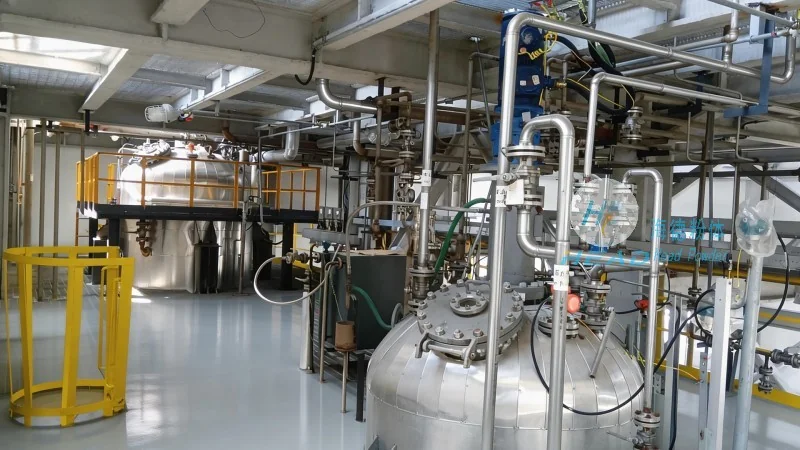
Conclusion and Company Expertise
In summary, the negative electrode material particle pneumatic conveying line is a critical component in modern lithium-ion battery production, offering efficient and reliable material handling solutions. HeadPowder Engineering, based in Shandong, China, leverages its expertise in engineering and material handling to design and implement these systems that meet the stringent demands of the battery industry. By focusing on the fundamental principles of pneumatic conveying and tailoring solutions to specific operational needs, HeadPowder ensures that its clients achieve optimal performance, quality, and cost-effectiveness in their material handling processes. The company's commitment to innovation and customer-centric design positions it as a trusted partner for businesses seeking to enhance their production capabilities in the battery sector.