Thermoplastic polyurethane (TPU) is a versatile material widely used in various industrial applications due to its excellent flexibility, abrasion resistance, and chemical stability. When it comes to handling TPU powders or granules, efficient and reliable material transport is crucial. Air-flow conveying systems offer a non-contact method for transporting these materials, minimizing contamination and wear on equipment. This article explores several effective solutions for air-flow conveying of thermoplastic polyurethane, highlighting key considerations and practical applications.
Understanding the Challenges of TPU Conveying
Before delving into specific solutions, it's essential to understand the unique challenges associated with conveying thermoplastic polyurethane. TPU powders can vary in particle size and density, which affects their flow characteristics and aerodynamic behavior. Additionally, TPU is sensitive to moisture and temperature changes, requiring controlled conditions during transport to maintain material integrity. The material's flexibility may also lead to blockages or agglomeration if not handled properly. These factors necessitate tailored conveying systems that address each challenge effectively.
Key Factors in Designing TPU Conveying Systems
Successful air-flow conveying of thermoplastic polyurethane depends on several critical design factors. First, the selection of appropriate air velocity is paramount. Too low a velocity may cause material settling or uneven distribution, while too high a velocity can lead to excessive wear on components and energy inefficiency. The system must also consider the particle size distribution and density of the TPU material, as these parameters influence the required air flow rate and pressure. Furthermore, the material's moisture sensitivity dictates the need for enclosed systems with proper drying or moisture control mechanisms. Finally, the overall system layout, including the number of bends, vertical lifts, and horizontal runs, impacts the pressure drop and energy consumption, making it essential to optimize the design for each specific application.
Solution 1: Positive Pressure Conveying with Cyclone Separators
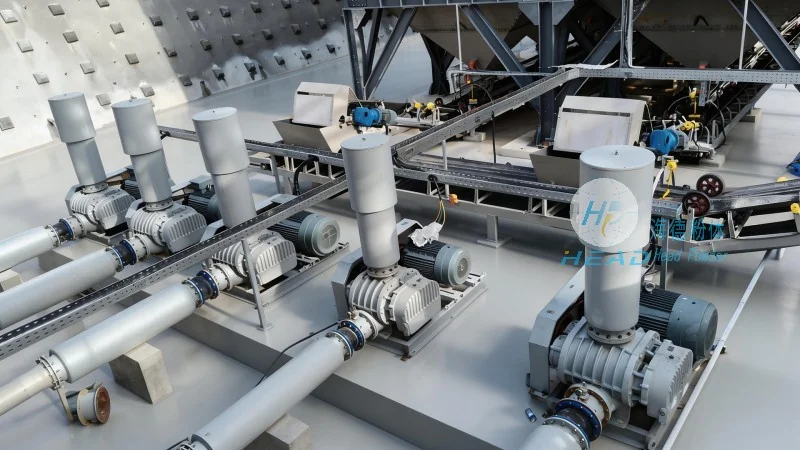
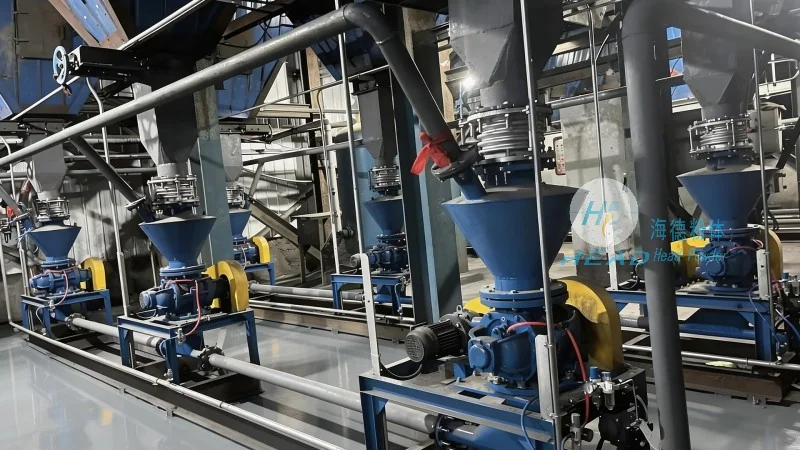
One of the most common and effective solutions for TPU conveying is positive pressure conveying using a blower or compressor to generate airflow. This method involves feeding the TPU material into a hopper equipped with a feeder, such as a rotary valve or screw feeder, which then introduces the material into the conveying line. The positive pressure system ensures that the material is continuously drawn through the pipeline, reducing the risk of clogging and maintaining consistent flow rates. Cyclone separators are typically integrated at the end of the conveying line to separate the TPU particles from the air stream, allowing for clean material recovery and air filtration. This solution is particularly suitable for medium to large-scale applications where high material throughput is required.
Solution 2: Negative Pressure Conveying with Vacuum Pumps
For applications where the TPU material needs to be transported from a distant source or over longer distances, negative pressure conveying using a vacuum pump may be more appropriate. This system creates a vacuum in the conveying line, drawing the TPU material from the source into the pipeline. The vacuum pump is usually placed at the receiving end of the system, and the material is then deposited into a collection bin. Negative pressure conveying is advantageous for handling fine or dust-like TPU particles, as it minimizes the risk of material spillage and provides better control over the material flow. However, it requires careful attention to the system's pressure drop and the need for regular maintenance to prevent air leaks, which could compromise the conveying efficiency.
Solution 3: Hybrid Conveying Systems
In some cases, a combination of positive and negative pressure conveying, known as a hybrid system, may offer the best solution for TPU transport. For example, a positive pressure system can be used to transport the TPU material from the source to a central point, while a negative pressure system handles the final delivery to the processing equipment. This approach allows for flexibility in system design, accommodating varying material flow rates and distances. Hybrid systems also enable better control over the material's temperature and moisture levels, as the air can be conditioned before entering the conveying line. Such systems are often employed in large-scale industrial settings where multiple processing lines require consistent material supply.
Equipment Selection and Maintenance for TPU Conveying
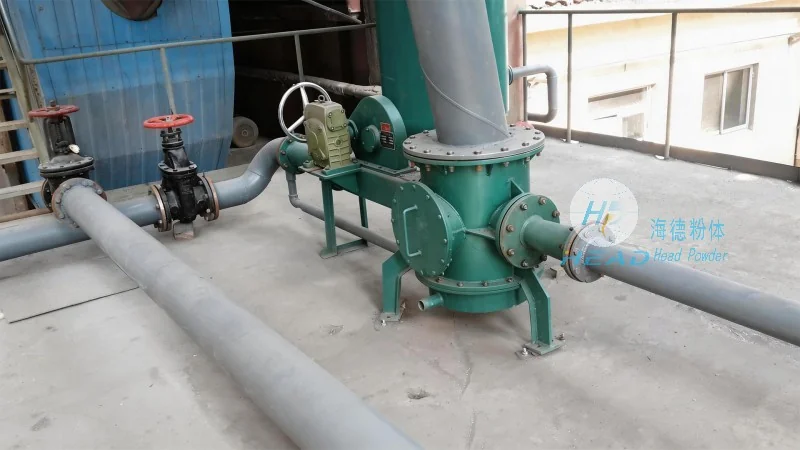
Choosing the right equipment is crucial for the longevity and efficiency of TPU air-flow conveying systems. The conveying line material, such as stainless steel or PTFE-coated tubing, must be selected based on the TPU's chemical resistance and the system's operating conditions. Rotary valves and screw feeders should be designed to handle the material's flexibility and potential for agglomeration, with features like anti-clogging mechanisms and adjustable speed controls. Cyclone separators and filters must be regularly cleaned and maintained to prevent blockages and ensure optimal performance. Additionally, monitoring the system's pressure, flow rate, and temperature is essential for early detection of issues and timely maintenance. Proper maintenance practices, including regular inspection of components and replacement of worn parts, can significantly extend the system's lifespan and maintain consistent conveying performance.
Application Examples and Case Studies
Real-world applications of TPU air-flow conveying solutions demonstrate the effectiveness of these systems in various industries. For instance, in the automotive industry, TPU is used for manufacturing flexible seals and gaskets, and efficient conveying of TPU granules is critical for maintaining production line speeds. A company in China, Shandong HeadPowder Engineering Co., Ltd., specializes in providing tailored conveying solutions for such applications. Their expertise in designing positive pressure systems with cyclone separators has enabled manufacturers to achieve high material throughput while minimizing downtime. Similarly, in the footwear industry, TPU is used for sole production, and negative pressure conveying systems have been implemented to transport fine TPU powders from storage to mixing equipment. These case studies highlight the importance of customizing the conveying system to the specific material properties and application requirements.
Conclusion: Optimizing TPU Conveying for Industrial Efficiency
Efficient air-flow conveying of thermoplastic polyurethane is essential for maintaining material quality and operational efficiency in industrial processes. By understanding the unique challenges of TPU and selecting the appropriate conveying solution—whether positive pressure, negative pressure, or a hybrid system—companies can ensure reliable material transport. Proper equipment selection, regular maintenance, and system optimization are key to achieving consistent performance and minimizing costs. As the demand for TPU continues to grow in various sectors, the development of advanced conveying technologies remains critical for meeting production needs. Shandong HeadPowder Engineering Co., Ltd. stands as a reliable partner in providing customized solutions that address the specific requirements of TPU conveying, helping industries enhance their operational efficiency and product quality.




