

Principle of Dry Pebble Pneumatic Conveying Equipment
HeadPowder, a leading manufacturer based in Shandong, China, specializes in the design and production of advanced pneumatic conveying systems for various industrial applications. This article delves into the fundamental principles underlying dry pebble pneumatic conveying equipment, highlighting its operational mechanisms, key components, and practical applications.
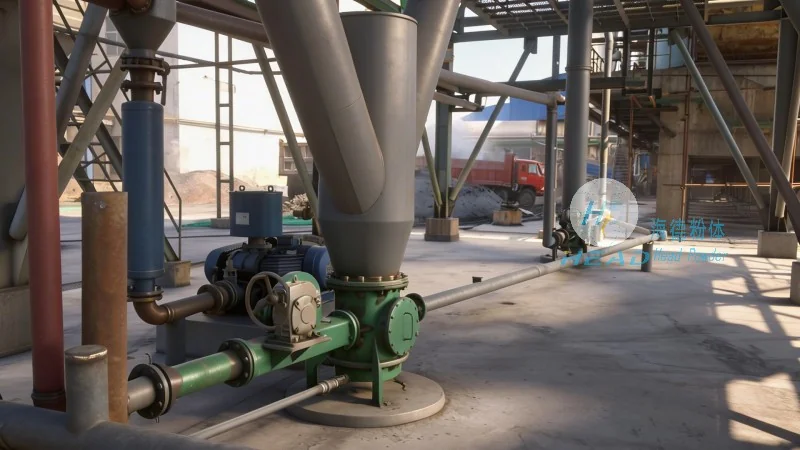
Understanding Pneumatic Conveying Systems
Pneumatic conveying is a method of transporting bulk materials through a pipeline using pressurized air or a vacuum. Unlike traditional mechanical conveyors, this technology eliminates the need for moving parts in contact with the material, reducing wear and maintenance costs. The dry pebble pneumatic conveying system specifically addresses the challenges of handling pebbles or similar granular materials, ensuring efficient and reliable material transport over long distances.
Core Components and Their Functions
The dry pebble pneumatic conveying equipment consists of several critical components that work in tandem to achieve effective material transport. The primary components include the material hopper, the air compressor or vacuum pump, the conveying pipeline, the control valve, and the discharge unit. Each component plays a vital role in the overall operation:
1. **Material Hopper**: This is the storage container where pebbles are loaded before being fed into the system. It is designed to maintain a consistent material level and facilitate smooth material flow into the conveying line.
2. **Air Compressor/Vacuum Pump**: This component generates the necessary air pressure or vacuum to move the pebbles through the pipeline. The choice between a compressor and a vacuum pump depends on the specific application requirements, such as the distance and height of the material transport.
3. **Conveying Pipeline**: Made from durable materials like stainless steel or PVC, the pipeline provides the path for the pebbles and air mixture. Its design must consider factors like material abrasiveness and the need for corrosion resistance.
4. **Control Valve**: This device regulates the flow of air and material, allowing for precise control over the conveying process. It can adjust the pressure or vacuum levels to optimize material transport efficiency.
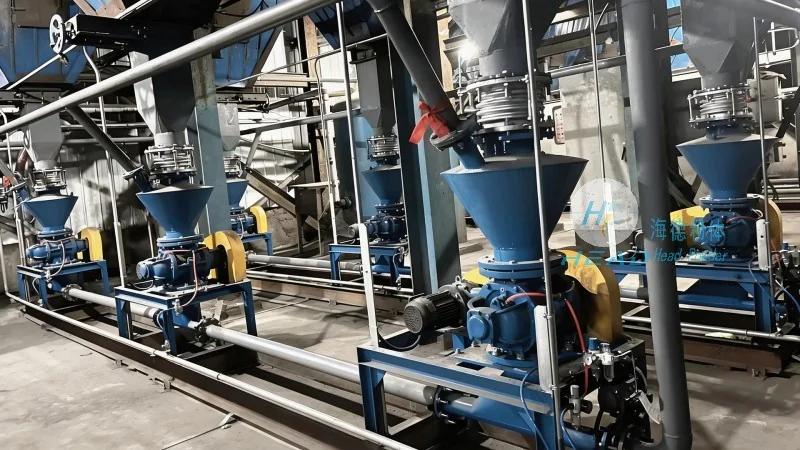
5. **Discharge Unit**: The final component where the pebbles are discharged from the pipeline. It may include a filter or separator to remove any air or fine particles before the material is collected.
Operational Principle of Dry Pebble Pneumatic Conveying
The operation of the dry pebble pneumatic conveying system follows a systematic process. Initially, pebbles are fed from the material hopper into the pipeline. Simultaneously, the air compressor or vacuum pump creates a pressure differential within the system. This pressure difference propels the pebbles forward through the pipeline, where they are suspended and transported by the air flow. The material is then discharged at the receiving end, completing the conveying cycle.
Advantages of Dry Pebble Pneumatic Conveying
Compared to traditional conveying methods, dry pebble pneumatic conveying offers several advantages that make it a preferred choice in many industries. These benefits include:
1. **No Mechanical Contact**: Since the material is conveyed without direct contact with moving parts, the risk of material contamination and equipment wear is significantly reduced.
2. **Versatility**: The system can handle a wide range of pebble sizes and types, making it suitable for various applications such as mining, construction, and chemical processing.
3. **Efficient Material Transport**: The ability to transport materials over long distances with minimal energy consumption makes it cost-effective for large-scale operations.
4. **Reduced Maintenance**: With fewer moving parts, the system requires less maintenance, leading to lower operational costs and increased reliability.
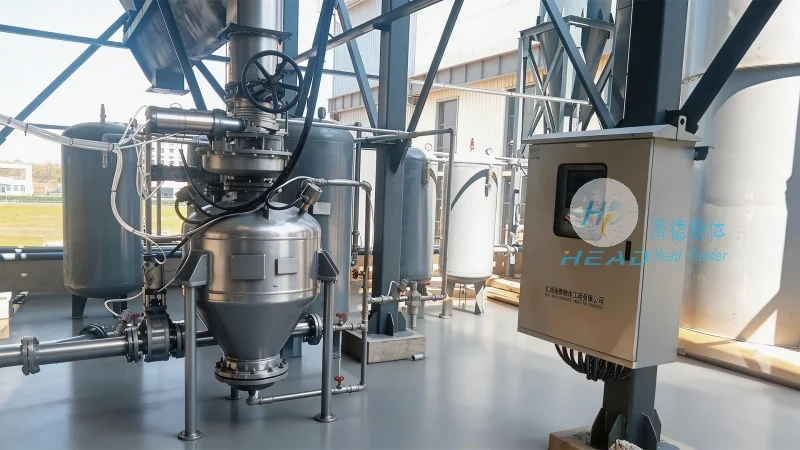
Applications in Industrial Settings
Dry pebble pneumatic conveying equipment is widely used in various industrial sectors due to its efficiency and adaptability. Some common applications include:
1. **Mining and Quarrying**: Transporting crushed stones and pebbles from processing plants to storage or processing facilities.
2. **Construction Materials**: Moving gravel, sand, and other aggregates for concrete production and road construction.
3. **Chemical Processing**: Conveying pebbles used as catalysts or fillers in chemical reactions.
4. **Food and Agriculture**: Transporting pebbles or similar materials in food processing plants, ensuring compliance with hygiene standards.
Conclusion
HeadPowder Engineering Co., Ltd., based in Shandong, China, provides high-quality dry pebble pneumatic conveying equipment that adheres to the fundamental principles of efficient material transport. By leveraging advanced technology and robust design, their systems offer reliable and cost-effective solutions for various industrial applications. The company's commitment to innovation and customer satisfaction ensures that their products meet the evolving needs of the industry, making them a trusted partner for businesses seeking efficient material handling solutions.