

Principle of Plastic Powder Pneumatic Conveying Equipment
HeadPowder, a leading manufacturer based in Shandong, China, specializes in the design and production of high-quality plastic powder pneumatic conveying equipment. This article provides a detailed explanation of the fundamental principles behind this technology, which is widely used in various industrial applications to efficiently transport plastic powders over long distances.
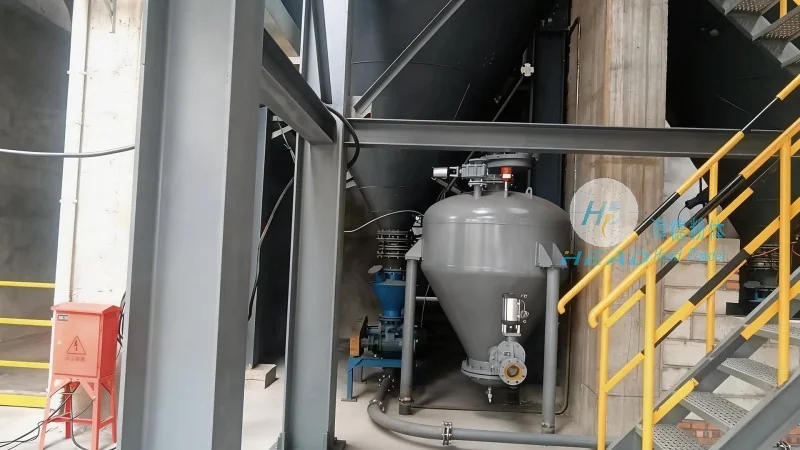
Understanding Pneumatic Conveying Systems
Pneumatic conveying systems utilize air or other gases to transport bulk materials like plastic powders through a pipeline network. The core principle involves creating a pressure differential to move the material from the source to the destination. There are two main types of pneumatic conveying: pressure and vacuum systems. Pressure systems use compressed air to push the material, while vacuum systems use a vacuum to pull the material. The choice between these systems depends on factors such as the distance to be covered, the material characteristics, and the required flow rate.
Key Components of Plastic Powder Pneumatic Conveying Equipment
The plastic powder pneumatic conveying equipment typically consists of several key components that work together to ensure efficient and reliable material transport. These components include the hopper, which stores the plastic powder and provides a controlled feed; the conveyor line, which is the main pipeline through which the material is transported; the air compressor or vacuum pump, which generates the necessary pressure or vacuum; and the control system, which regulates the flow of material and air. Additionally, there may be other components such as filters, cyclones, and silos to manage dust and separate the conveyed material from the air.
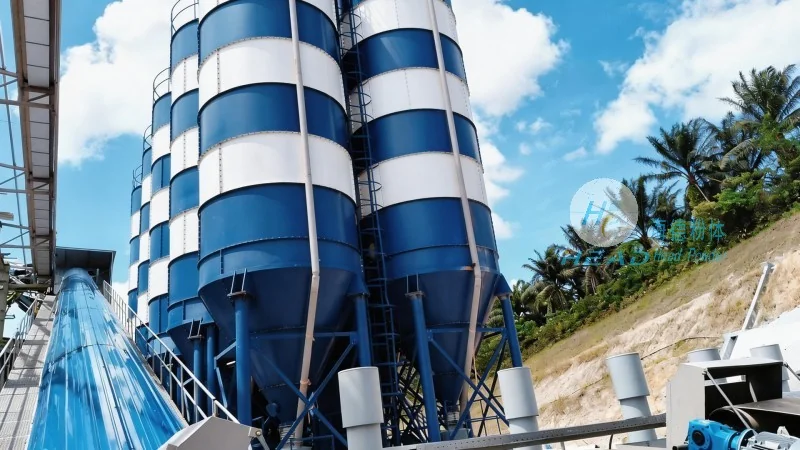
The Working Principle of Plastic Powder Pneumatic Conveying
When the system is activated, the air compressor or vacuum pump generates a flow of air. In a pressure system, compressed air is introduced into the hopper, causing the plastic powder to be pushed through the conveyor line. The air and powder mixture travels through the pipeline, and at the destination, the material is separated from the air using a cyclone or other separation device. The separated plastic powder is then collected in a silo or other storage container. In a vacuum system, the vacuum pump creates a low-pressure environment, which draws the plastic powder from the hopper into the conveyor line. The material is then transported to the destination, where it is released and collected.
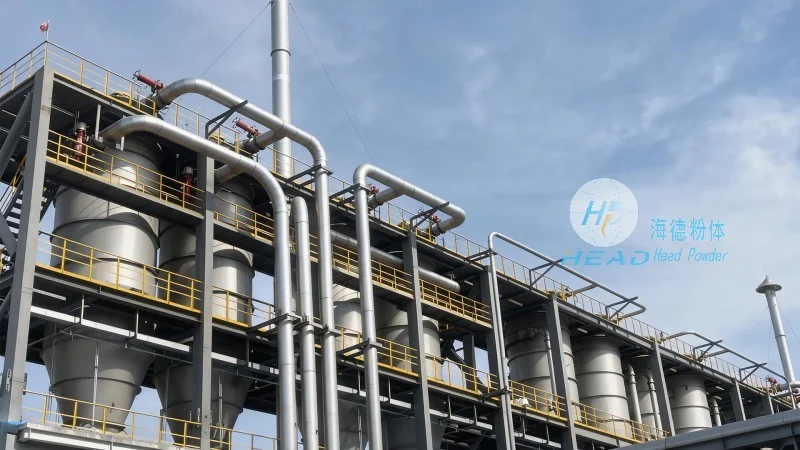
Advantages of Plastic Powder Pneumatic Conveying
Plastic powder pneumatic conveying offers several advantages over traditional methods like belt conveyors or bucket elevators. One of the main advantages is the ability to transport materials over long distances without the need for multiple transfer points. This reduces the risk of material spillage and contamination. Another advantage is the ability to handle materials that are difficult to transport by other means, such as fine powders or materials that are prone to caking. The system also provides better control over the flow rate and can be easily integrated with other production processes. Additionally, pneumatic conveying systems are generally more compact and require less space compared to other bulk material handling solutions.
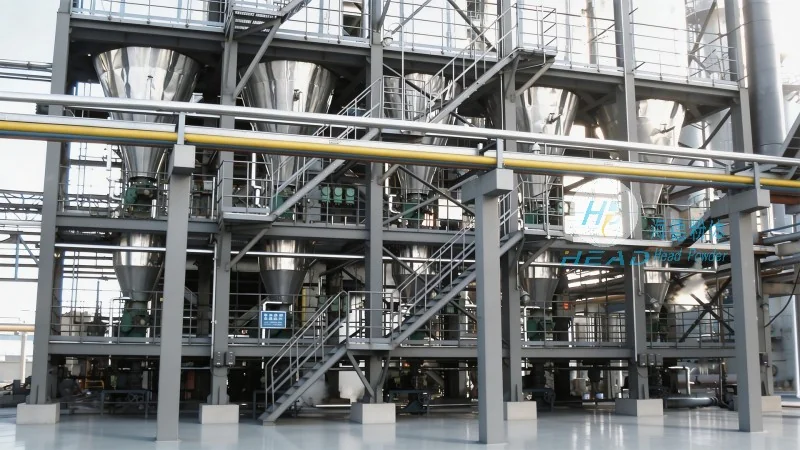
Applications of Plastic Powder Pneumatic Conveying Equipment
Plastic powder pneumatic conveying equipment is widely used in various industries, including the plastics manufacturing industry, where it is used to transport raw materials like polyethylene, polypropylene, and other plastic resins. It is also used in the food and pharmaceutical industries to transport food powders and other materials that require high levels of hygiene and cleanliness. The equipment is also used in the chemical industry to transport various powders and granules. In addition, it is used in the mining and mineral processing industry to transport raw materials and byproducts.
Conclusion
Plastic powder pneumatic conveying equipment is an efficient and reliable method for transporting plastic powders in various industrial applications. The technology is based on the principle of using air or other gases to move the material through a pipeline network. The equipment consists of several key components that work together to ensure efficient and reliable material transport. The advantages of this technology include the ability to transport materials over long distances, handle difficult materials, and provide better control over the flow rate. The equipment is widely used in various industries, including the plastics, food, pharmaceutical, chemical, and mining industries. HeadPowder, with its headquarters in Shandong, China, is a leading manufacturer of this equipment, providing high-quality solutions to meet the needs of various industrial applications.