

Principle of Magnesium Sulfate Pneumatic Conveying Equipment
HeadPowder, a leading manufacturer based in Shandong, China, specializes in the design and production of advanced pneumatic conveying systems for various industrial applications. The principle of magnesium sulfate pneumatic conveying equipment involves the efficient transport of bulk materials like magnesium sulfate through a pipeline using compressed air or other gas streams. This technology offers a reliable and flexible solution for handling fine powders, ensuring minimal product degradation and optimal process efficiency.
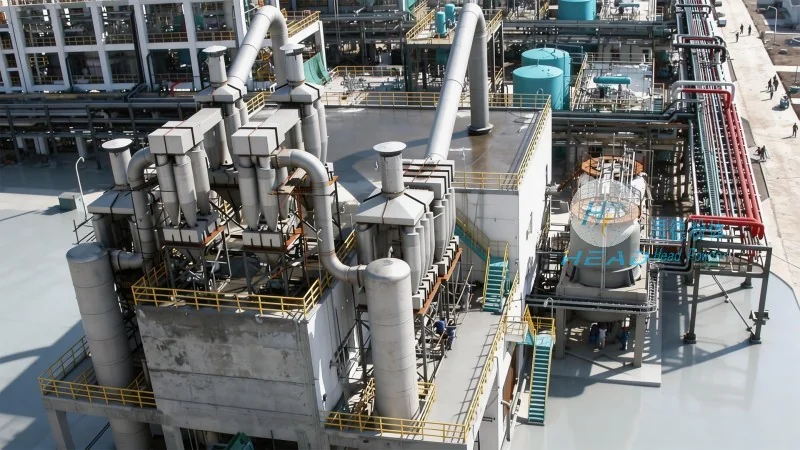
Core Components and Working Principle
The pneumatic conveying system for magnesium sulfate typically consists of several key components, including a material hopper, a rotary valve, a conveying pipeline, a gas source (such as a blower or compressor), and a dust collector. The working principle is based on the entrainment of solid particles by a high-velocity gas stream. When the compressed air is introduced into the conveying line, it creates a low-pressure zone that draws the magnesium sulfate powder from the hopper into the pipeline. The particles are then carried along the pipeline to the destination point, such as a storage silo or processing unit. This process eliminates the need for mechanical components like belts or buckets, reducing maintenance costs and enhancing safety in the operation.
Advantages of Pneumatic Conveying for Magnesium Sulfate
Compared to traditional bulk material handling methods, pneumatic conveying offers several advantages for magnesium sulfate transportation. Firstly, it provides a closed system that prevents dust contamination and environmental pollution, which is crucial for maintaining product quality and compliance with environmental regulations. Secondly, the system is highly flexible, allowing for easy integration with existing production lines and the ability to transport materials over long distances without the need for intermediate storage. Thirdly, the equipment is relatively compact and can be installed in confined spaces, making it suitable for various industrial settings. Additionally, the low maintenance requirements and reduced labor costs contribute to overall operational efficiency.
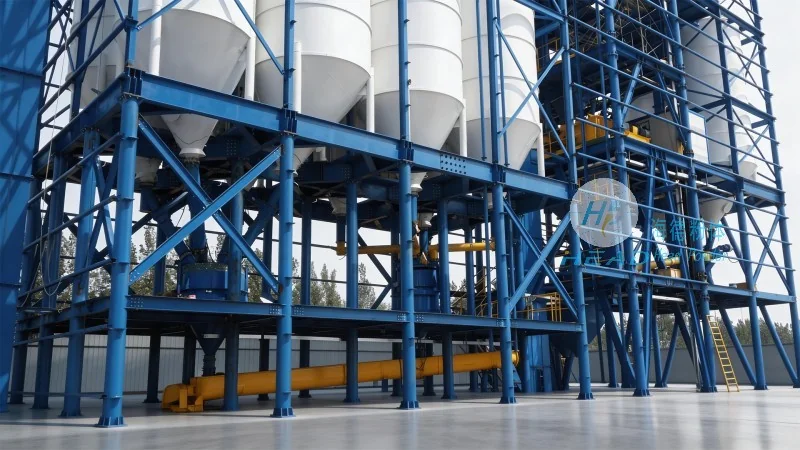
Application Scenarios and Customization
HeadPowder's pneumatic conveying equipment is widely used in the chemical industry for the transport of magnesium sulfate from production units to packaging or storage areas. The system can be customized to meet specific process requirements, such as varying material flow rates, pipeline lengths, and pressure levels. For instance, in large-scale magnesium sulfate production facilities, the conveying system may be designed to handle high volumes of material while maintaining consistent flow rates. The company also offers solutions for handling different particle sizes and moisture contents, ensuring that the equipment operates effectively under diverse operating conditions.
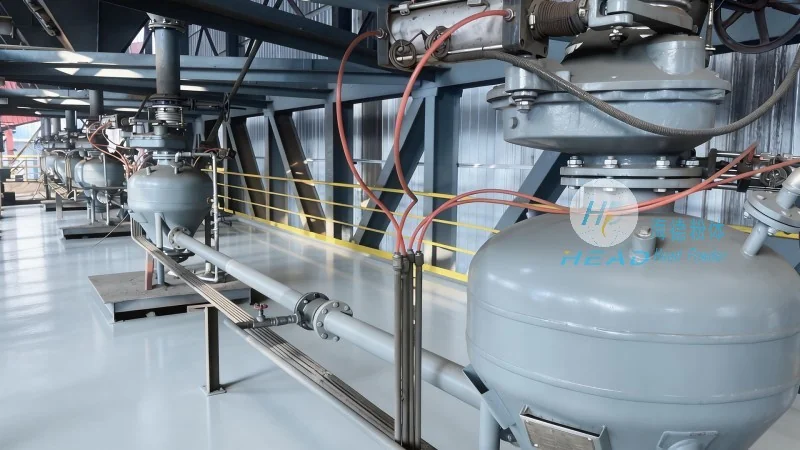
Technical Specifications and Performance
The performance of magnesium sulfate pneumatic conveying equipment is influenced by several technical parameters, including the air velocity, material density, and pipeline diameter. HeadPowder's systems are engineered to optimize these parameters for efficient material transport. For example, the air velocity is typically maintained at a level that ensures the particles are fully entrained without causing excessive pressure drops or particle degradation. The material density and flow rate are also considered to determine the appropriate blower capacity and pipeline design. Through careful engineering and testing, the company ensures that its pneumatic conveying systems deliver reliable performance with minimal energy consumption and maximum material throughput.
Installation and Maintenance Considerations
Proper installation and regular maintenance are essential for the long-term operation of magnesium sulfate pneumatic conveying equipment. HeadPowder provides comprehensive installation services, including site assessment, system layout design, and commissioning. The installation process involves ensuring that all components are properly aligned and connected, and that the pipeline is free from leaks or obstructions. Regular maintenance includes checking the blower performance, cleaning the dust collector, and inspecting the rotary valve and hopper for any signs of wear or damage. By following the recommended maintenance schedule, users can extend the service life of the equipment and maintain optimal performance.