

Principle of Metallurgical Coke Pneumatic Conveying Equipment
Metallurgical coke is a critical raw material in the iron and steel industry, used extensively in blast furnaces and other metallurgical processes. Efficient and reliable transportation of coke from storage to production lines is essential for maintaining smooth operations and optimizing production efficiency. Pneumatic conveying systems have emerged as a preferred solution for handling metallurgical coke due to their ability to transport bulk materials over long distances with minimal dust generation and reduced maintenance requirements compared to traditional mechanical systems.
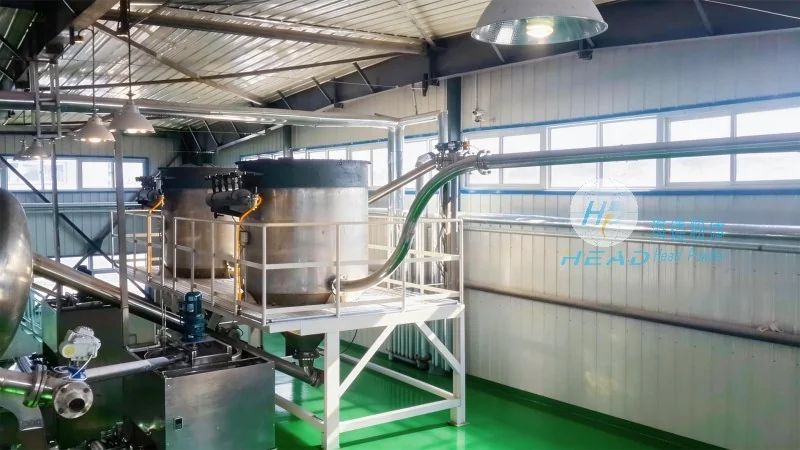
Core Principles of Pneumatic Conveying Technology
The fundamental principle of pneumatic conveying involves using compressed air or gas to transport solid materials through a pipeline. In the case of metallurgical coke, the system typically operates under positive pressure, where air is forced through the pipeline to move the coke particles. The key components of a typical pneumatic conveying system include a material hopper, a rotary valve or feeder, a conveying pipeline, a dust separator or filter, and a discharge point. The rotary valve ensures a controlled and continuous feed of coke into the pipeline, while the compressed air provides the necessary force to move the material. The dust separator is crucial for maintaining air quality and preventing coke dust from escaping into the environment, which is essential for compliance with environmental regulations.
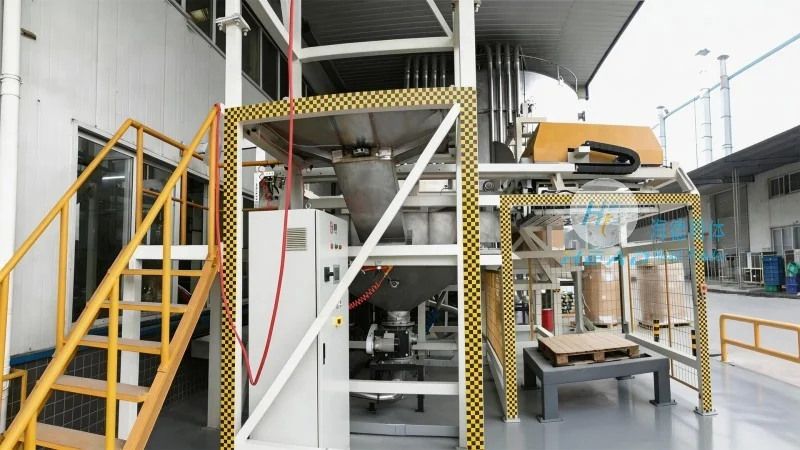
Advantages of Pneumatic Conveying for Metallurgical Coke
Compared to traditional conveyor belts or bucket elevators, pneumatic conveying offers several advantages when handling metallurgical coke. Firstly, it eliminates the need for physical contact between the coke and the conveyor system, reducing the risk of contamination and wear. Secondly, the system can handle coke with a wide range of particle sizes and moisture content, making it versatile for various applications. Thirdly, pneumatic conveying systems are capable of transporting coke over long distances with minimal energy consumption, especially when using high-efficiency blowers and optimized pipeline designs. Additionally, the enclosed nature of the system helps in controlling dust and improving workplace safety, which is a significant concern in coke handling operations.
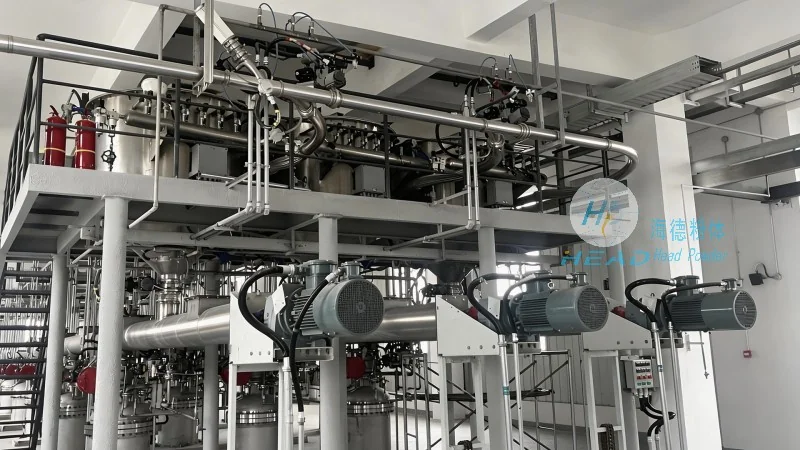
Components and Design Considerations
The design of a pneumatic conveying system for metallurgical coke must consider several factors to ensure optimal performance and longevity. The material hopper should be designed to accommodate the bulk storage of coke and provide a smooth flow into the feeder. The rotary valve or feeder must be capable of handling the specific characteristics of coke, such as its density and abrasiveness, to prevent blockages and ensure consistent feed rates. The conveying pipeline is typically made of corrosion-resistant materials like stainless steel or special alloys to withstand the abrasive nature of coke particles and the effects of moisture and temperature variations. The dust separator or filter is designed to capture fine coke particles and return them to the system, while allowing clean air to be recirculated or discharged safely. Proper sizing of the pipeline diameter and the air velocity is critical to maintain the conveying efficiency and prevent material deposition or blockages.
HeadPowder's Expertise in Pneumatic Conveying Solutions
Shandong HeadPowder Engineering Co., Ltd., commonly known as HeadPowder, is a leading manufacturer and supplier of advanced pneumatic conveying equipment tailored for the metallurgical industry. With years of experience in designing and implementing coke handling systems, HeadPowder specializes in providing customized solutions that meet the specific requirements of steel mills and other metallurgical facilities. The company's team of engineers and technicians leverages cutting-edge technology and rigorous testing to develop systems that enhance operational efficiency, reduce downtime, and ensure compliance with industry standards and environmental regulations. HeadPowder's commitment to quality and customer satisfaction has made it a trusted partner for many leading metallurgical companies in China and beyond.
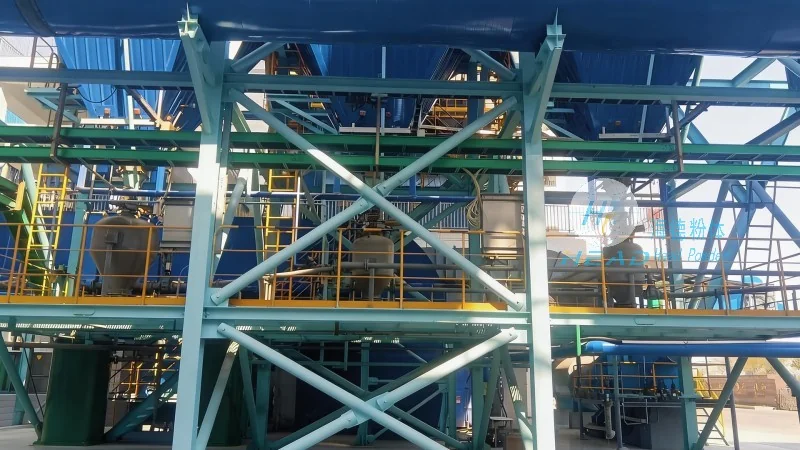
Application Examples and Performance Metrics
HeadPowder's pneumatic conveying systems for metallurgical coke have been successfully implemented in various industrial settings. For instance, a major steel plant in Shandong Province, China, installed a HeadPowder system to transport coke from storage silos to the blast furnace. The system was designed to handle 200 tons of coke per hour over a distance of 500 meters, with a conveying efficiency of over 95%. The plant reported significant improvements in production throughput and reduced maintenance costs after the installation. Another application involved a coke processing facility that required a system to transport coke from a storage yard to a screening and crushing unit. HeadPowder's system was customized to handle the varying particle sizes and moisture content of the coke, ensuring consistent feed rates and minimal material loss. The system's performance metrics, including low energy consumption and minimal dust emissions, met or exceeded the client's expectations, demonstrating the effectiveness of HeadPowder's engineering solutions.