

Principle of Fish Meal Pneumatic Conveying Equipment
For those in the animal feed and food processing industries, efficient and reliable material handling is crucial for maintaining production flow and product quality. Among the various methods available, pneumatic conveying systems have become increasingly popular for transporting fish meal due to their ability to handle fine powders with minimal dust and contamination. This article explores the fundamental principles behind fish meal pneumatic conveying equipment, highlighting the technology's key components, operational mechanisms, and practical applications, as presented by Shandong HeadPowder Engineering Co., Ltd., a leading provider of specialized material handling solutions.
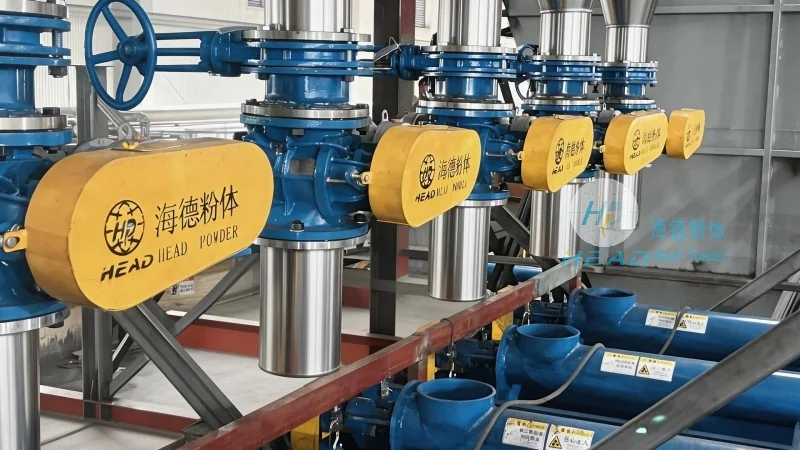
Understanding Pneumatic Conveying Systems
Pneumatic conveying, also known as air conveying, is a method of transporting bulk materials through a pipeline using a stream of air. Unlike mechanical systems that rely on belts, screws, or buckets, pneumatic systems utilize air pressure to move material from one location to another. This approach is particularly advantageous for fish meal, which is a fine, hygroscopic powder that can be sensitive to handling conditions. The core advantage of pneumatic conveying lies in its ability to transport materials in a closed system, reducing exposure to environmental factors and minimizing product degradation.
Key Components of Fish Meal Pneumatic Conveying Equipment
The effectiveness of a pneumatic conveying system for fish meal depends on several critical components that work in tandem to ensure efficient material transport. These components include:
- Feeder: The feeder is responsible for introducing the fish meal into the conveying line at a controlled rate. For fine powders like fish meal, a rotary valve or a star feeder is commonly used to maintain a consistent flow and prevent clogging.
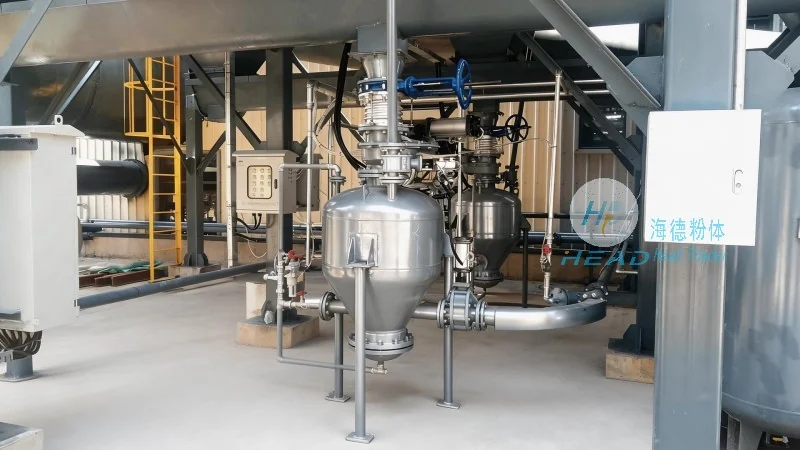
- Pneumatic Conveying Unit: This is the heart of the system, where air is compressed and directed through the pipeline to move the material. The unit typically includes a blower or a compressor that generates the necessary air pressure, along with a filter to remove any particulate matter from the air stream.
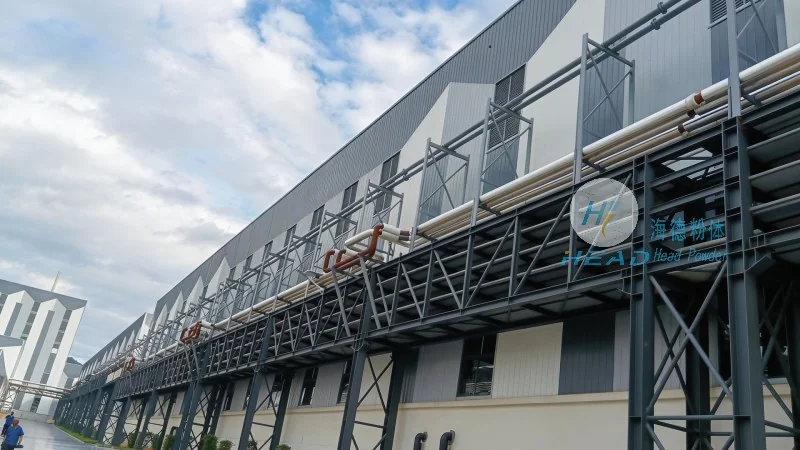
- Pipeline System: The pipeline network forms the path for the material and air mixture. It is usually made of stainless steel or other corrosion-resistant materials to withstand the acidic nature of fish meal and to maintain hygiene standards.
- Control Valves and Regulators: These components are used to adjust the air pressure and flow rate as needed, ensuring optimal performance and preventing system overload.
- Receiver or Discharge Unit: The receiver is where the fish meal is deposited after being conveyed through the pipeline. It may include a hopper or a silo to store the material before further processing.
Operational Mechanisms and Working Principle
The working principle of fish meal pneumatic conveying equipment revolves around the creation of a high-velocity air stream that entrains the fish meal particles and transports them through the pipeline. There are two primary types of pneumatic conveying systems: pressure and vacuum. For fish meal, pressure systems are more commonly used due to their ability to handle higher material loads and longer distances.
In a pressure system, the blower compresses air and injects it into the conveying line at the discharge end. The air then flows backward through the pipeline, carrying the fish meal particles from the feeder to the receiver. The pressure differential created by the blower ensures that the material is continuously moved through the system. The air velocity is typically maintained above the material's terminal velocity to prevent particle separation and ensure stable transport.
Advantages of Using Pneumatic Conveying for Fish Meal
Implementing pneumatic conveying equipment for fish meal offers several benefits that enhance operational efficiency and product quality:
- Reduced Dust and Contamination: The closed system design minimizes dust generation and exposure, improving workplace safety and maintaining product purity.
- Improved Hygiene and Sanitation: Stainless steel components and sealed pipelines help prevent contamination from external sources, which is critical for food-grade products.
- Energy Efficiency: Modern pneumatic systems are designed to operate with minimal energy consumption, reducing operational costs while maintaining high material throughput.
- Flexibility in Layout: The modular nature of pneumatic conveying systems allows for easy integration into existing production facilities, with the ability to add or reconfigure pipelines as needed.
- Reduced Maintenance: Compared to mechanical systems, pneumatic conveyors have fewer moving parts, leading to lower maintenance requirements and longer service life.
Applications and Industry Impact
Fish meal pneumatic conveying equipment is widely used in various stages of the fish meal production and processing chain. From raw material handling to finished product packaging, these systems play a vital role in ensuring smooth material flow. For example, in a fish meal processing plant, the equipment can be used to transport raw fish meal from storage silos to the grinding and drying units, and then to the packaging line. This seamless integration helps maintain production continuity and reduces downtime.
Conclusion
Understanding the principle of fish meal pneumatic conveying equipment is essential for businesses in the animal feed and food processing sectors seeking to optimize their material handling processes. By leveraging the advantages of pneumatic conveying, such as reduced contamination, improved hygiene, and energy efficiency, companies can enhance their operational performance and product quality. As technology continues to advance, pneumatic conveying systems are expected to remain a cornerstone of efficient material transport in the fish meal industry, supporting sustainable and cost-effective production practices.