

What is a Fiber Powder Conveyor? What Are Its Design Principles?
Fiber powder conveyors are specialized equipment designed to handle and transport fibrous materials in powder form. These systems are crucial in various industrial applications, including manufacturing, processing, and material handling. Understanding the core functions and design principles of such conveyors is essential for optimizing operational efficiency and ensuring the safe and effective movement of fibrous powders.
Key Components of Fiber Powder Conveyors
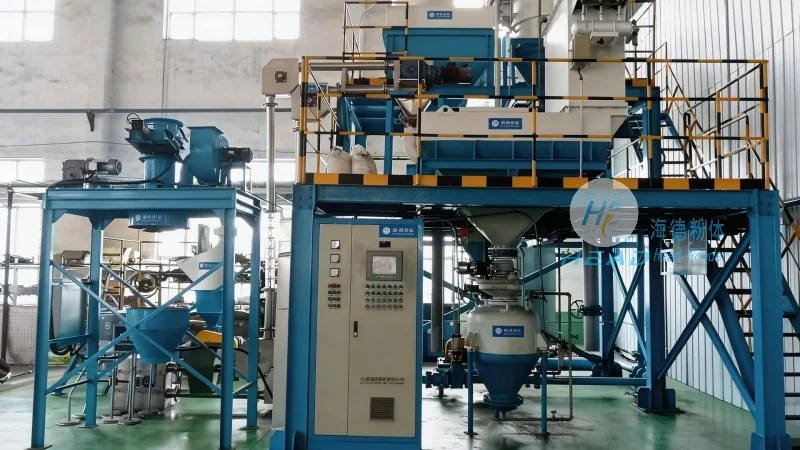
The design of a fiber powder conveyor typically involves several key components that work in tandem to facilitate material transport. These components include a hopper for material storage, a conveyor mechanism (such as a screw or belt system), and control systems for regulating flow and speed. The hopper is often designed with a wide opening to accommodate bulk fibrous powders, while the conveyor mechanism is engineered to handle the specific characteristics of the material, such as its fibrous nature and potential stickiness.
Design Principles for Efficient Fiber Powder Handling
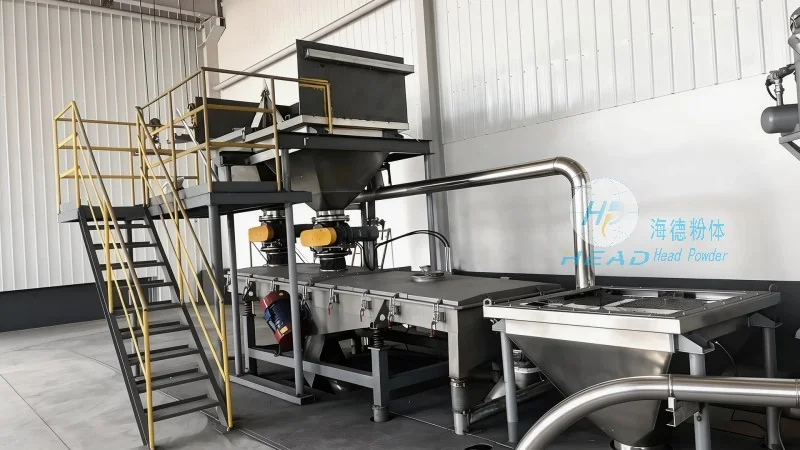
Efficient fiber powder handling relies on several critical design principles. First, the conveyor must be capable of maintaining a consistent flow of material, preventing blockages or agglomeration that can occur with fibrous powders. This often involves the use of inclined or horizontal conveyor sections, along with appropriate speed controls to adjust for material density and moisture content. Second, the design must consider the mechanical properties of the fibrous material, ensuring that the conveyor components are durable and resistant to wear from the fibrous particles. For example, materials like stainless steel or high-grade plastics may be used for the conveyor surfaces to minimize friction and prevent material buildup.
Application-Specific Design Considerations
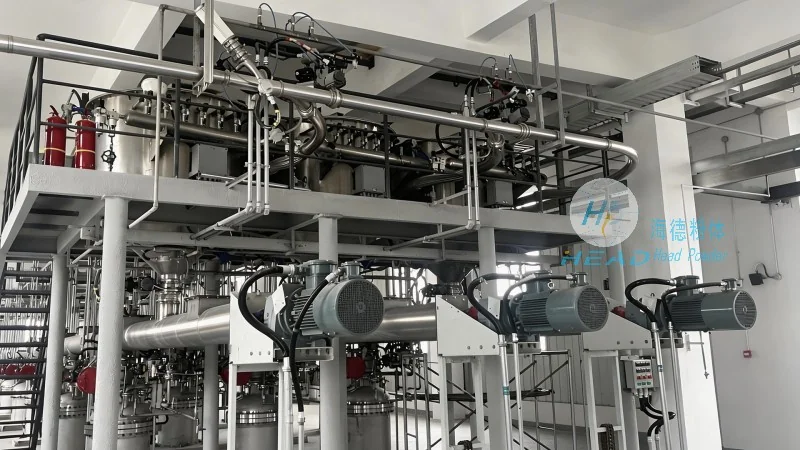
The design of fiber powder conveyors is often tailored to specific applications. In industries like pharmaceuticals or food processing, where material purity is paramount, the conveyor may incorporate sanitary design features, such as smooth, easy-to-clean surfaces and sealed components to prevent contamination. In contrast, industrial manufacturing applications may prioritize durability and high throughput, with robust construction and larger conveyor capacities. The choice of conveyor type—whether a screw conveyor, belt conveyor, or pneumatic system—depends on factors like the material's bulk density, flow characteristics, and the required transport distance.
Advantages of Fiber Powder Conveyors
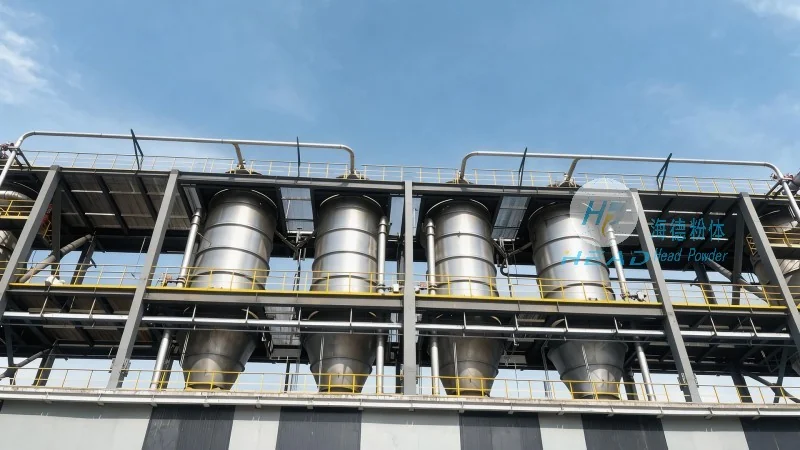
Implementing a fiber powder conveyor offers several advantages for industrial operations. These systems enhance productivity by automating the material handling process, reducing the need for manual labor and minimizing the risk of material spillage or contamination. Additionally, the controlled flow of material helps maintain consistent product quality, as it prevents uneven distribution or segregation of the fibrous components. The design also allows for integration with other processing equipment, such as mixers or extruders, creating a seamless production line that improves overall operational efficiency.