

Operation Process and Working Principle of Pneumatic Conveying Equipment for Food Additives
Headpowder, a leading manufacturer based in Shandong, China, specializes in the design and production of advanced pneumatic conveying equipment tailored for the food additives industry. This equipment is engineered to handle a wide range of food additives, ensuring efficient, hygienic, and safe material transport. The following sections will explore the operational process and working principles of such equipment, highlighting its key features and benefits.
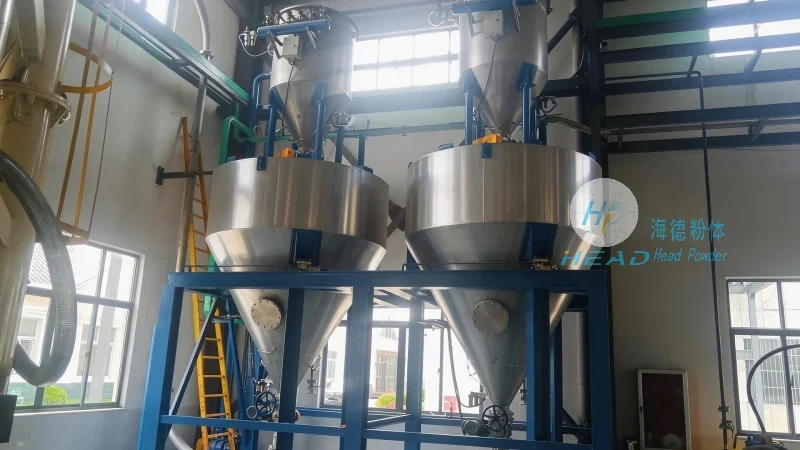
Key Components of Pneumatic Conveying Systems
At the core of pneumatic conveying equipment for food additives are several critical components that work in tandem to achieve effective material handling. These include the hopper for material storage, the air compressor or blower that generates the conveying air, the pipeline system for transporting materials, and the control system for regulating the operation. Each component is designed with food-grade materials and compliance with industry standards to maintain product integrity and safety.
The Operational Process of Pneumatic Conveying
The operation of pneumatic conveying equipment for food additives typically involves several sequential steps. First, the food additive is loaded into the hopper. The control system then activates the air compressor, which generates a flow of air through the pipeline. As the air flows, it creates a negative pressure or positive pressure environment, depending on the system type (e.g., dilute phase or dense phase conveying). The material is then drawn or pushed through the pipeline by the air flow, moving from the hopper to the discharge point. The process continues until the desired amount of material is conveyed, with the control system monitoring and adjusting the air flow and material feed rate as needed.
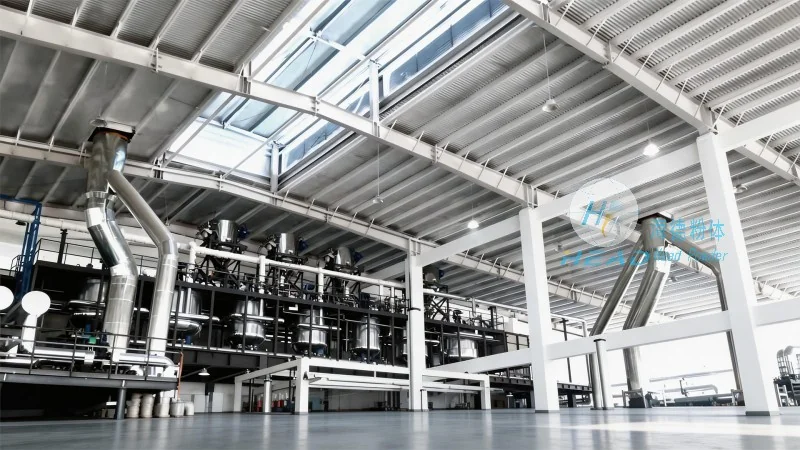
Working Principle of Pneumatic Conveying
The working principle of pneumatic conveying equipment for food additives is based on the movement of material particles suspended in a stream of air. In dilute phase conveying, the material is dispersed as individual particles in the air stream, allowing for high-speed transport over long distances. In contrast, dense phase conveying involves a higher concentration of material in the air stream, which is suitable for handling sensitive or abrasive additives. The equipment utilizes either positive pressure (where air is forced into the system) or negative pressure (where air is drawn out), with the choice depending on the specific application and material characteristics. The air flow is carefully controlled to ensure that the material is conveyed without degradation, clogging, or loss of quality.
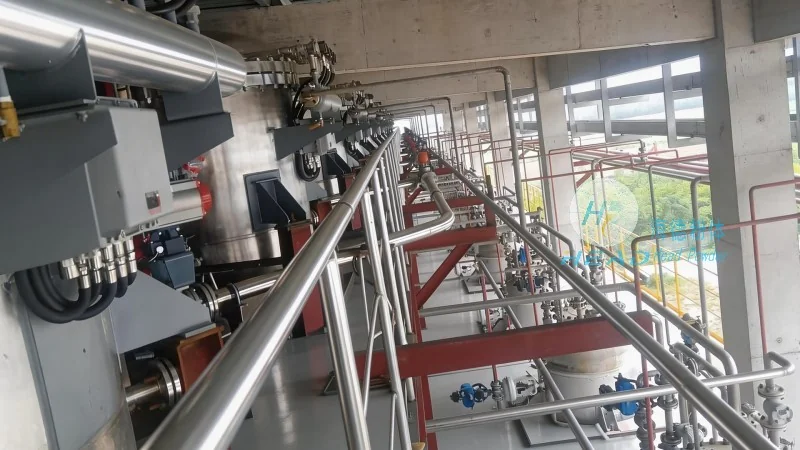
Advantages of Pneumatic Conveying for Food Additives
Pneumatic conveying equipment offers numerous advantages for the food additives industry. These include high efficiency in material transport, as it can handle large volumes of material quickly and with minimal labor. The system is also highly hygienic, as it operates in a closed pipeline, preventing contamination from external sources. Additionally, it provides flexibility in handling different types of additives, from powders to granules, and can be integrated with other processing equipment for a seamless production line. The equipment is also energy-efficient compared to traditional methods like belt conveyors or bucket elevators, reducing operational costs over time.
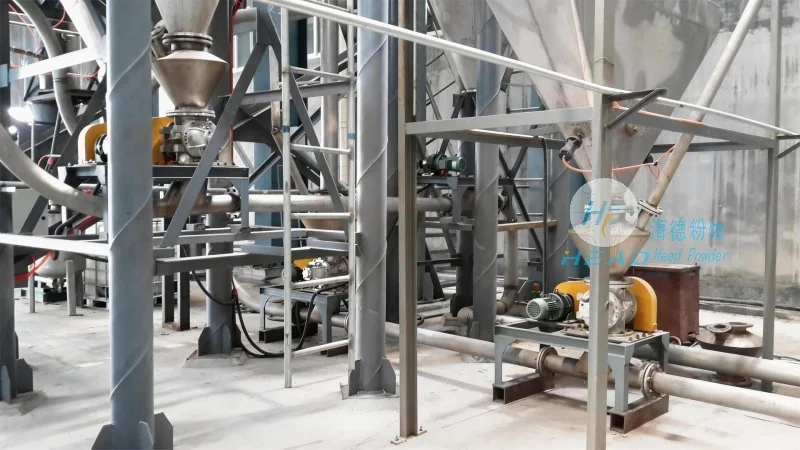
Applications in the Food Additives Industry
The pneumatic conveying equipment from Headpowder is widely used in various applications within the food additives sector. For instance, it is commonly employed in the transport of flavorings, colorings, preservatives, and other fine powders used in food processing. The equipment ensures that these sensitive materials are handled gently, preserving their quality and potency. It is also used in pharmaceutical and nutraceutical applications, where the hygienic and controlled nature of the system is critical. The equipment's ability to handle both dry and wet additives makes it versatile for different production needs.
Maintenance and Safety Considerations
Proper maintenance and safety measures are essential for the reliable operation of pneumatic conveying equipment for food additives. Regular cleaning and inspection of the pipeline and components are necessary to prevent clogging and ensure hygiene. The equipment should be equipped with safety features such as pressure relief valves and emergency shut-off systems to prevent accidents. Additionally, the air compressor and other mechanical parts should be maintained according to the manufacturer's guidelines to ensure optimal performance and longevity. By adhering to these practices, users can maximize the equipment's lifespan and maintain product quality.