HeadPowder, a leading engineering company based in Shandong, China, specializes in the design and implementation of pneumatic conveying systems tailored for handling paddy husk ash. This article delves into the fundamental principles behind such systems and highlights the key characteristics of their operational environments.
1. The Core Principle of Pneumatic Conveying for Paddy Husk Ash
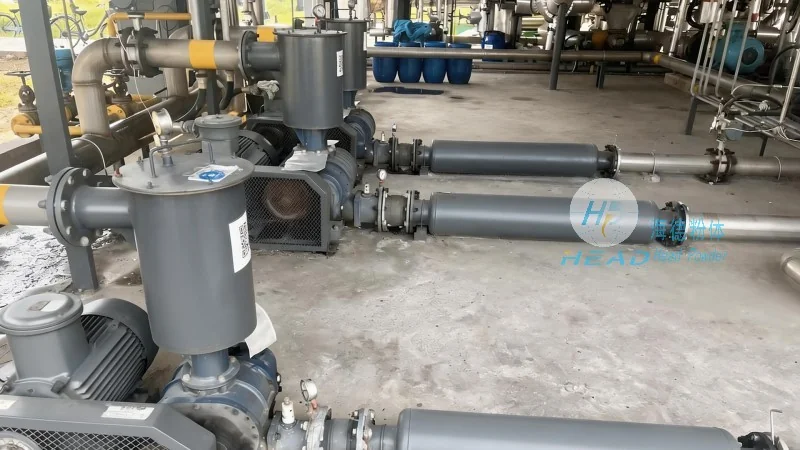
Pneumatic conveying systems utilize air as the primary medium to transport bulk materials like paddy husk ash. The fundamental principle involves creating a pressure differential between the conveying line and the ambient environment. By injecting air into the system, the material is lifted, accelerated, and transported through pipelines. This method eliminates the need for mechanical components like belts or buckets, offering a more hygienic and efficient solution for handling fine or dusty materials such as paddy husk ash. The system typically operates under either positive or negative pressure, depending on the specific application requirements and material properties. Positive pressure systems force air and material through the pipeline, while negative pressure systems draw material into the system using suction. For paddy husk ash, which is often fine and light, a positive pressure system is commonly preferred to ensure consistent flow and prevent material degradation.
2. Key Components and Their Functions in the System
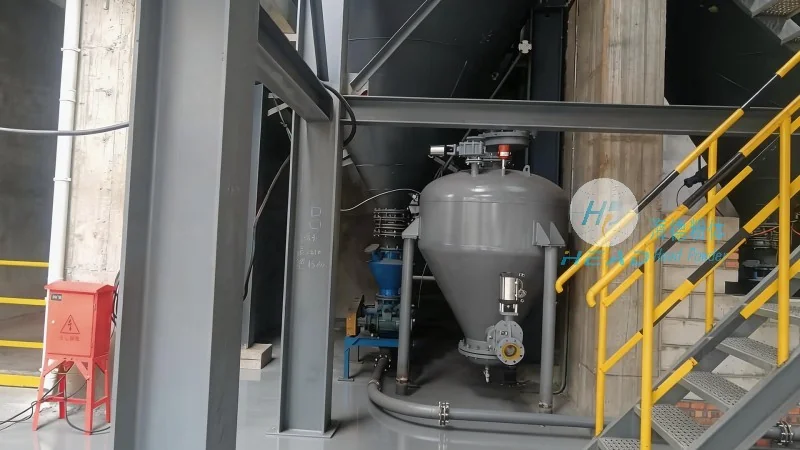
The effectiveness of a paddy husk ash pneumatic conveying system relies on several critical components, each playing a vital role in the overall operation. These components include the material feed hopper, which stores and feeds the paddy husk ash into the system; the air compressor or blower, which generates the necessary air pressure; the conveying pipeline, which transports the material; and the receiver or discharge hopper, where the material is collected. Additionally, the system may incorporate features like cyclone separators or filters to separate the material from the air stream, ensuring that the ash is delivered in a clean, dust-free state. The material feed hopper is designed to maintain a consistent material level, preventing blockages and ensuring smooth feeding. The air compressor must be capable of delivering sufficient air volume and pressure to handle the specific flow rate and material characteristics of paddy husk ash. The conveying pipeline is typically made of materials resistant to corrosion and abrasion, such as stainless steel or high-density polyethylene, to withstand the abrasive nature of the ash particles. The receiver or discharge hopper is equipped with a discharge valve or conveyor to transfer the material to the next processing stage.
3. Working Scene Characteristics: Environmental and Operational Factors
The operational environment and characteristics of the working scene significantly impact the performance and efficiency of the paddy husk ash pneumatic conveying system. Environmental factors such as temperature, humidity, and dust concentration play a crucial role. For instance, high humidity can cause the paddy husk ash to clump or agglomerate, affecting the flow rate and potentially leading to system blockages. Therefore, the system must be designed with appropriate moisture control measures, such as pre-drying the ash or using heated air to maintain optimal moisture levels. Temperature variations can also impact the air density and material flow, necessitating adjustments to the air compressor settings or pipeline dimensions. Humidity control is essential to prevent material degradation and ensure the quality of the final product. Dust concentration in the working environment is another critical factor, as excessive dust can lead to equipment wear and maintenance issues. The system must incorporate dust collection and filtration systems to maintain a clean and safe working environment.
4. Application Scenarios and Industry Use Cases
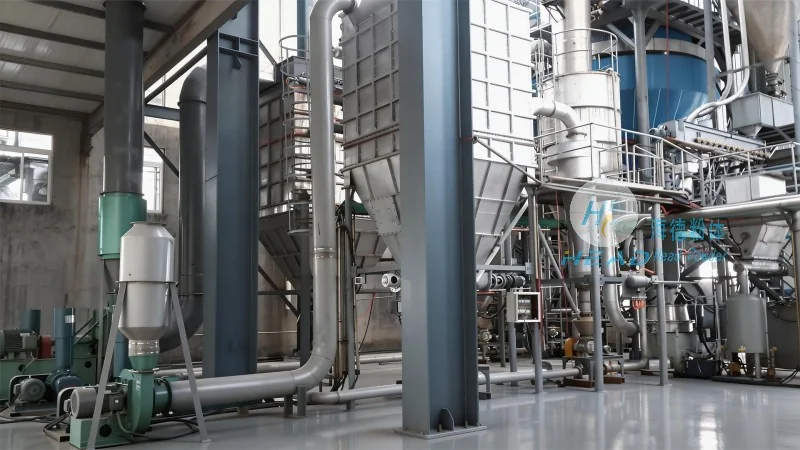
Paddy husk ash, a byproduct of rice processing, is widely used in various industries, including construction, agriculture, and energy. The pneumatic conveying system is particularly suitable for applications where the ash needs to be transported over long distances or through complex layouts. In the construction industry, paddy husk ash is used as a raw material for cement production or as a lightweight aggregate in concrete. The system efficiently transports the ash from storage silos to the production facilities, ensuring a continuous supply. In the agricultural sector, the ash is used as a fertilizer or soil amendment, and the pneumatic conveying system facilitates its transport from processing plants to farms or storage facilities. The energy industry also utilizes paddy husk ash as a fuel source in power plants, and the system plays a vital role in delivering the ash to the combustion chambers. Additionally, the system is applicable in waste management facilities where the ash is processed and disposed of. The versatility of the pneumatic conveying system makes it an ideal solution for handling paddy husk ash in diverse industrial applications.
5. Advantages and Benefits of the System
Implementing a pneumatic conveying system for paddy husk ash offers several advantages over traditional mechanical conveying methods. One of the primary benefits is the elimination of mechanical components, which reduces maintenance costs and increases system reliability. The system is also more hygienic, as it prevents material contamination and reduces dust exposure for operators. Furthermore, the pneumatic conveying system allows for flexible pipeline layouts, enabling the transportation of material over long distances or through complex structures without the need for multiple transfer points. The system is also energy-efficient, as it minimizes energy consumption compared to other conveying methods. The positive pressure system ensures consistent material flow, reducing the risk of blockages and downtime. The system's ability to handle fine or dusty materials like paddy husk ash without degradation is another significant advantage. The use of appropriate materials for the pipeline and components ensures durability and longevity, reducing the need for frequent replacements. Overall, the pneumatic conveying system provides a cost-effective and efficient solution for handling paddy husk ash, contributing to improved operational performance and productivity.




