

Principle and Working Scene Characteristics of Pneumatic Conveying for Gypsum and Sand Materials
Understanding the fundamental principles and operational characteristics of pneumatic conveying systems is crucial for industries dealing with bulk materials like gypsum and sand. This article delves into the technical aspects of pneumatic conveying, focusing on how it efficiently transports gypsum and sand, and highlights the specific working scene characteristics that make such systems effective in industrial applications.
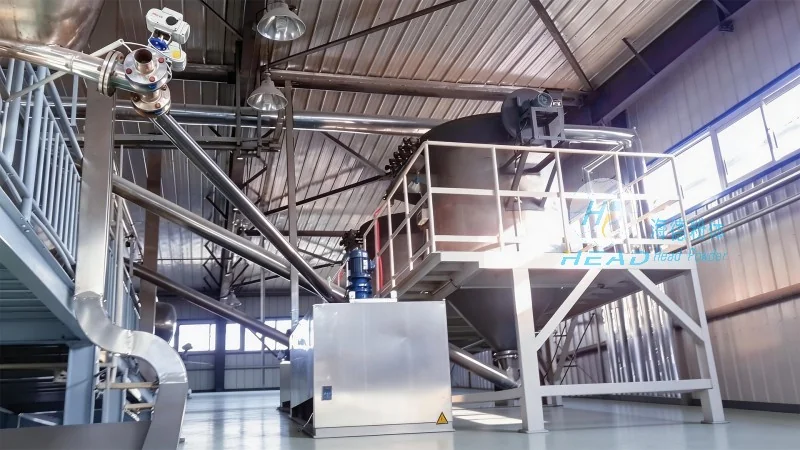
Core Principle of Pneumatic Conveying for Gypsum and Sand
The fundamental principle of pneumatic conveying involves using air or gas as the conveying medium to transport bulk materials through a pipeline. In the case of gypsum and sand, this method leverages the force of compressed air to move particles from a source to a destination. The process typically operates under positive pressure, where air is forced through the pipeline, carrying the material along with it. This approach eliminates the need for mechanical components like belts or buckets, reducing maintenance and increasing operational efficiency. The headpowder engineering team specializes in designing and implementing such systems, ensuring optimal performance for diverse material handling needs.
Key Working Scene Characteristics of Gypsum and Sand Pneumatic Conveying
When applied to gypsum and sand, pneumatic conveying systems exhibit several distinct working scene characteristics that enhance their suitability for industrial environments. Firstly, the system's ability to handle fine to medium-sized particles without clogging is a significant advantage. Gypsum and sand often consist of particles that can be prone to agglomeration, but the high-velocity air flow in the pipeline prevents this, maintaining consistent material flow. Secondly, the system's flexibility in layout is notable, as it can be configured to follow complex routes, adapting to the spatial constraints of industrial facilities. This adaptability is particularly valuable in plants where space is limited or where material needs to be transported over long distances. Additionally, the system's ability to integrate with other processing equipment, such as storage silos and processing units, streamlines the overall material handling workflow. The working scene characteristics also include the system's low noise level and minimal dust emission compared to traditional methods, contributing to a safer and more environmentally friendly operation.
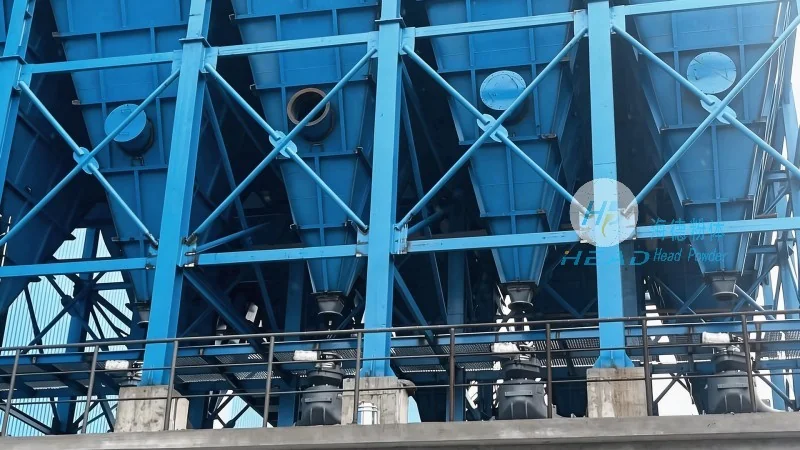
Company Overview: Shandong HeadPowder Engineering Co., Ltd.
Shandong HeadPowder Engineering Co., Ltd., operating under the brand name headpowder, is a leading provider of advanced material handling solutions. With a strong presence in China, particularly in Shandong, the company has built a reputation for delivering high-quality pneumatic conveying systems tailored to the specific needs of industries dealing with gypsum and sand. The company's engineering expertise ensures that each system is designed to meet the unique challenges of material transport, such as particle size, flow rate, and environmental considerations. By focusing on innovation and customer satisfaction, headpowder has established itself as a trusted partner in the material handling industry, helping businesses optimize their operations and improve efficiency.
Application Scenarios and Operational Benefits
The working scene characteristics of pneumatic conveying for gypsum and sand make it ideal for various industrial applications. In the construction industry, for example, these systems are used to transport gypsum and sand to building sites, ensuring a steady supply of materials for concrete production and other construction activities. In the mining sector, pneumatic conveying is employed to transport sand from mining sites to processing facilities, facilitating the extraction and processing of raw materials. The benefits of using such systems extend beyond efficiency; they also include reduced labor costs, as the automated process minimizes the need for manual handling, and improved safety, as the enclosed pipeline system prevents dust exposure and other hazards. The adaptability of the system allows it to be integrated into existing infrastructure, making it a cost-effective solution for upgrading material handling capabilities.
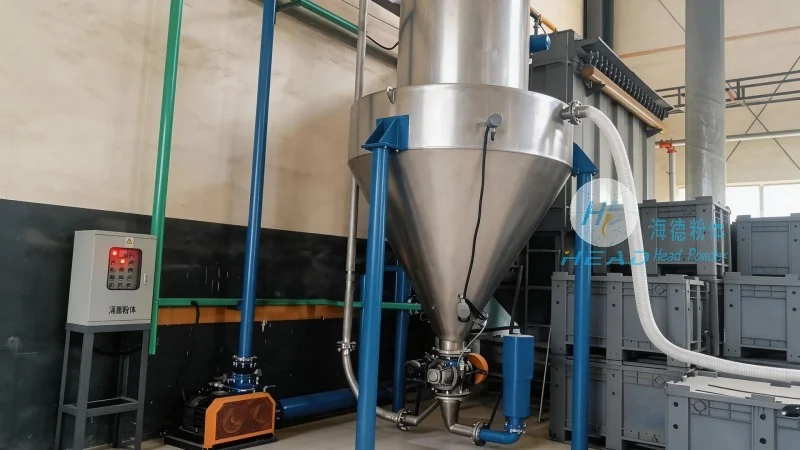
Technical Advancements and Customization Options
Headpowder Engineering continuously invests in research and development to enhance the performance of pneumatic conveying systems for gypsum and sand. The company offers a range of customization options, allowing clients to select components that best suit their operational requirements. This includes the choice of air compressor types, pipeline materials, and control systems. The technical advancements also involve the integration of sensors and monitoring systems that provide real-time data on system performance, enabling proactive maintenance and optimization. By leveraging these advancements, businesses can achieve higher throughput, lower energy consumption, and extended equipment lifespan. The company's commitment to quality and customer support ensures that clients receive not only a well-designed system but also comprehensive after-sales service, including installation, training, and technical support.
Conclusion and Future Outlook
In conclusion, the pneumatic conveying of gypsum and sand is a highly effective method for material handling, characterized by its efficiency, flexibility, and safety benefits. The working scene characteristics of such systems make them indispensable in various industrial applications, contributing to improved operational performance and reduced costs. As technology continues to advance, the capabilities of pneumatic conveying systems are expected to expand, further enhancing their role in the material handling industry. Shandong HeadPowder Engineering Co., Ltd. remains at the forefront of this evolution, providing innovative solutions that meet the evolving needs of industries dealing with gypsum and sand. With a focus on quality, customization, and customer satisfaction, headpowder is poised to continue leading the way in material handling technology.