

Principle and Working Scene Characteristics of Bicarbonate Powder Pneumatic Conveying Equipment
HeadPowder, a leading manufacturer based in Shandong, China, specializes in the design and production of advanced pneumatic conveying systems tailored for bicarbonate powder applications. This article explores the fundamental principles behind bicarbonate powder pneumatic conveying equipment and highlights key working scene characteristics that make it an efficient solution for various industrial processes.
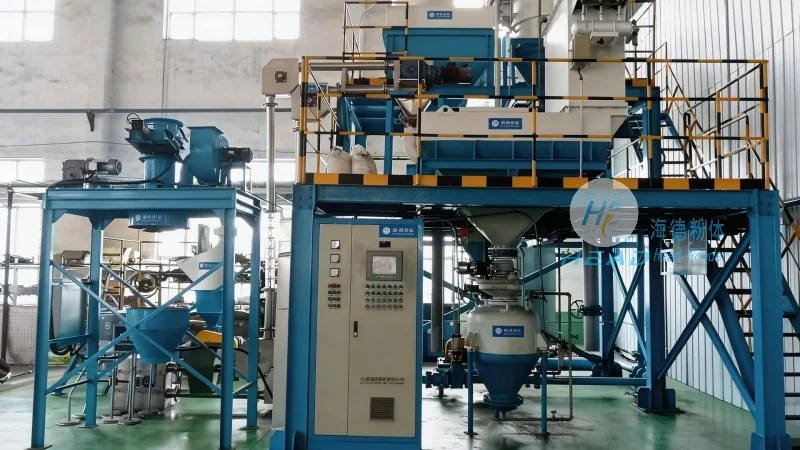
Introduction to Bicarbonate Powder Pneumatic Conveying Systems
Bicarbonate powder, commonly known as sodium bicarbonate or baking soda, is widely used in pharmaceuticals, food processing, and chemical industries due to its versatile properties. The efficient transportation of this fine powder from storage to processing units is crucial for maintaining product quality and operational efficiency. Pneumatic conveying systems offer a non-contact, hygienic, and flexible method to handle such powders, ensuring minimal product degradation and contamination.
Principle of Pneumatic Conveying for Bicarbonate Powder
The core principle of pneumatic conveying involves transporting bulk materials through a pipeline using a gas stream, typically air. For bicarbonate powder, two primary methods are employed: positive pressure and negative pressure systems. In positive pressure systems, compressed air is introduced at the material inlet, creating a high-pressure environment that propels the powder through the pipeline. This method is suitable for long-distance and high-capacity applications. Negative pressure systems, on the other hand, create a vacuum at the outlet, drawing the powder into the pipeline as air is exhausted. This approach is ideal for applications requiring gentle handling of delicate powders, minimizing particle breakage.
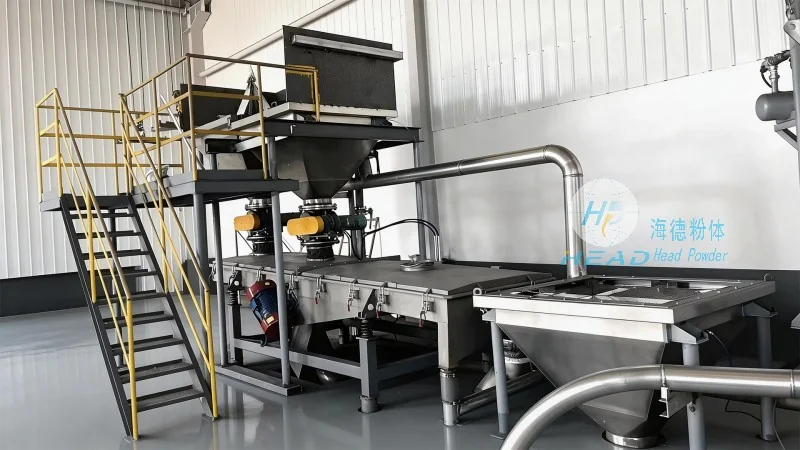
Working Scene Characteristics of Bicarbonate Powder Pneumatic Conveying Equipment
The working scene characteristics of bicarbonate powder pneumatic conveying equipment are tailored to meet the specific demands of industrial environments. These systems are designed to handle varying particle sizes, moisture content, and flow rates, ensuring consistent performance. Key characteristics include:
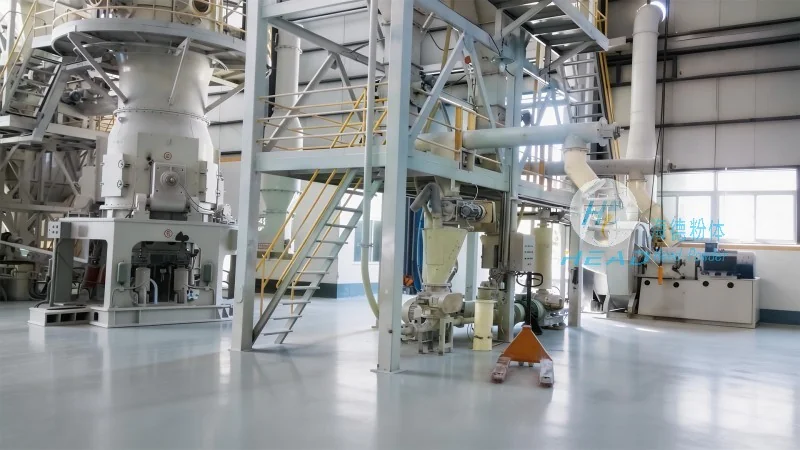
- Hygienic Design: The equipment is constructed with materials that comply with food and pharmaceutical industry standards, such as stainless steel, to prevent contamination and ensure easy cleaning. This is critical for industries where product purity is paramount.
- Flexible Layout: Pneumatic conveying systems can be easily integrated into existing production lines, allowing for modular expansion or reconfiguration as production needs change. The ability to route the pipeline in various directions enables efficient material transfer between different processing units.
- Low Maintenance: Compared to mechanical conveying systems like screw conveyors or belt conveyors, pneumatic systems have fewer moving parts, reducing the risk of mechanical failure and lowering maintenance costs over time. Regular inspections and filter replacements are typically required to maintain optimal performance.
- Energy Efficiency: Modern pneumatic conveying systems utilize energy-efficient compressors and optimized air flow designs, reducing operational costs. The use of positive displacement blowers or rotary lobe pumps can enhance energy efficiency, especially for high-capacity applications.
Industrial Applications and Operational Advantages
Bicarbonate powder pneumatic conveying equipment is widely adopted in several industrial sectors. In the pharmaceutical industry, it ensures the safe and hygienic transfer of raw materials to production lines, maintaining compliance with regulatory standards. In food processing, the system helps in delivering baking soda to baking and mixing operations, preserving the product's quality and freshness. Chemical manufacturers also benefit from this technology for handling bicarbonate-based chemicals in production processes. The operational advantages include reduced labor costs, minimized product loss due to spillage, and enhanced safety by eliminating manual handling of powders.
Conclusion
HeadPowder's bicarbonate powder pneumatic conveying equipment exemplifies advanced engineering tailored to the unique requirements of handling fine powders. By leveraging pneumatic conveying principles, these systems provide efficient, hygienic, and flexible solutions for various industrial applications. The working scene characteristics, including hygienic design, flexible layout, and low maintenance, make them a preferred choice for industries where product quality and operational efficiency are critical. As a manufacturer based in Shandong, China, HeadPowder continues to innovate and provide reliable solutions for the efficient transportation of bicarbonate powders in diverse industrial settings.