

Principle and Working Scene Characteristics of Gypsum Material Pneumatic Conveying
HeadPowder, a leading provider in the field of material handling solutions, specializes in the design and implementation of pneumatic conveying systems for gypsum materials. This article delves into the fundamental principles of gypsum material pneumatic conveying and highlights the key characteristics of its working scenarios, offering insights into how these systems efficiently transport gypsum from source to destination.
The Core Principle of Gypsum Material Pneumatic Conveying
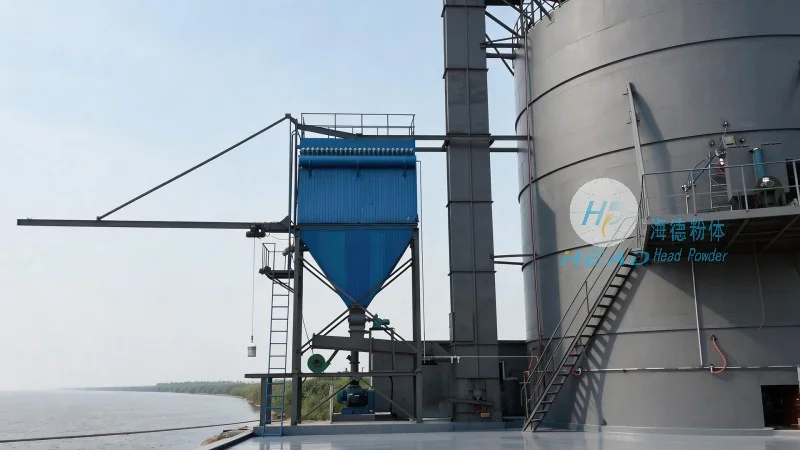
Gypsum material pneumatic conveying operates on the principle of transporting bulk materials through a pipeline using a stream of air or other gas. In this process, the gypsum particles are suspended in the air stream and carried along the pipeline. The system typically consists of a feeding device, a conveying pipeline, a control system, and a discharge device. The feeding device introduces the gypsum material into the pipeline, while the air flow, generated by a blower or fan, creates the necessary velocity to keep the particles in suspension. The conveying pipeline may include bends, expansions, and other components to guide the material through the system. The control system regulates the air flow and pressure to ensure stable and efficient conveying. Finally, the discharge device collects the gypsum material at the end of the pipeline.
Key Working Scene Characteristics of Gypsum Material Pneumatic Conveying
The working scene characteristics of gypsum material pneumatic conveying systems are tailored to meet the specific needs of various industrial applications. These characteristics include:
1. **High Efficiency and Reliability**: Pneumatic conveying systems offer high efficiency in transporting gypsum materials, with minimal downtime and reliable performance. The system can handle large volumes of material, ensuring consistent production rates.
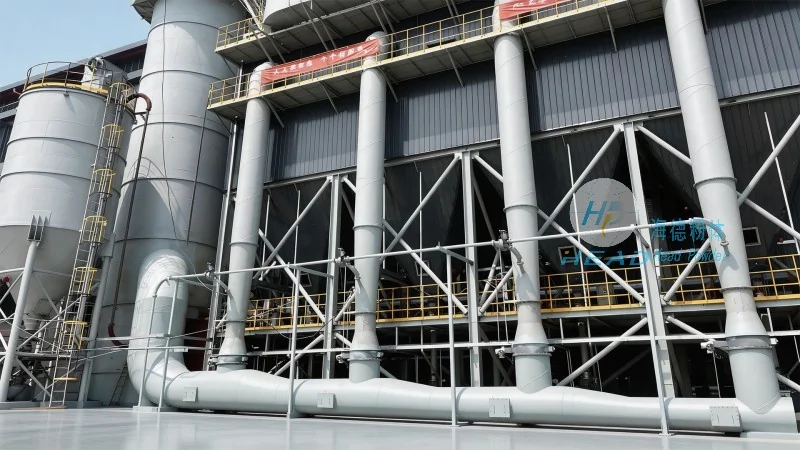
2. **Low Maintenance Requirements**: Compared to traditional mechanical conveying systems, pneumatic conveying systems have lower maintenance requirements. The absence of moving parts in the pipeline reduces wear and tear, leading to lower maintenance costs.
3. **Flexibility in Layout**: Pneumatic conveying systems can be easily integrated into existing industrial layouts. The pipeline can be installed in various configurations, including vertical, horizontal, or a combination of both, to suit the specific site conditions.
4. **Environmental Friendliness**: The system operates in a closed pipeline, preventing dust emissions and minimizing environmental impact. This is particularly important for gypsum materials, which can be dusty and require dust control measures.
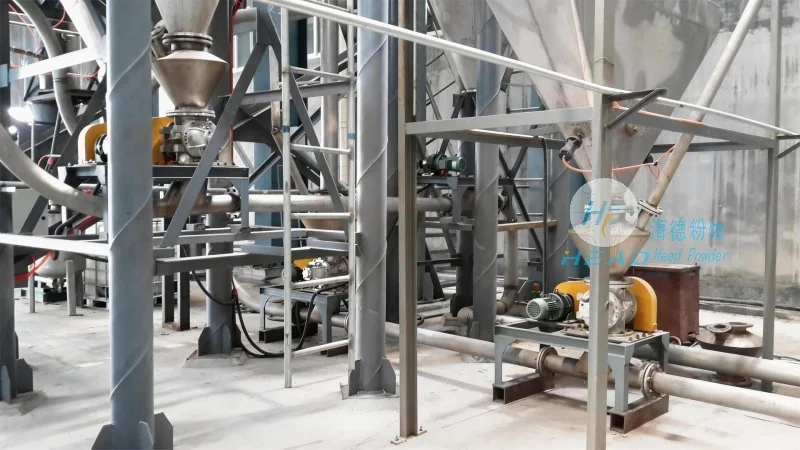
5. **Safety and Hygiene**: Pneumatic conveying systems are designed to maintain a clean and hygienic environment, which is crucial for applications in the food, pharmaceutical, and other industries where product purity is essential.
Application Scenarios of Gypsum Material Pneumatic Conveying
Gypsum material pneumatic conveying is widely used in various industrial sectors, including construction, mining, and manufacturing. Some common application scenarios include:
1. **Construction Industry**: In the construction industry, gypsum material is used as a raw material for producing gypsum boards, which are widely used in building and interior decoration. Pneumatic conveying systems are used to transport gypsum from storage silos to production lines, ensuring a continuous supply of raw material.
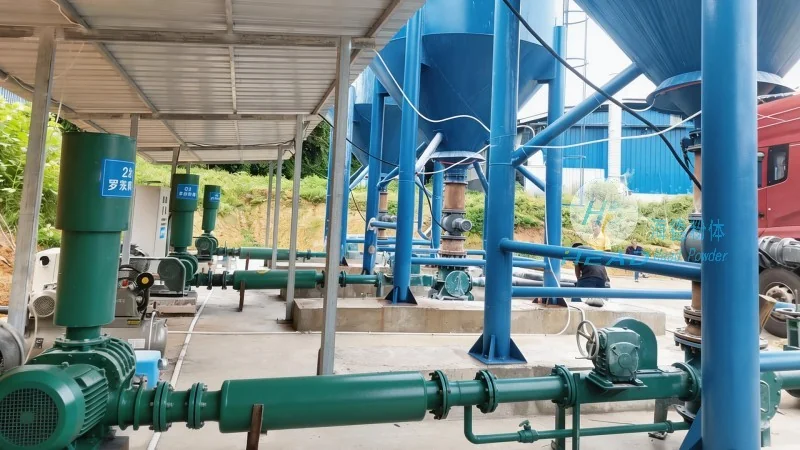
2. **Mining Industry**: In the mining industry, gypsum is often extracted from underground mines and transported to processing facilities. Pneumatic conveying systems are used to transport the extracted gypsum from the mine to the processing plant, reducing the need for heavy machinery and labor.
3. **Manufacturing Industry**: In the manufacturing industry, gypsum is used as a filler or binder in various products, such as paper, plastics, and ceramics. Pneumatic conveying systems are used to transport gypsum from storage areas to production lines, ensuring a consistent supply of raw material.
Conclusion
HeadPowder, with its expertise in material handling solutions, provides reliable and efficient pneumatic conveying systems for gypsum materials. The principles and working scene characteristics of these systems ensure high performance, low maintenance, and environmental friendliness. By understanding these aspects, industries can make informed decisions when selecting the appropriate conveying system for their gypsum material handling needs.